Gout and Kidney Disease: How They're Connected and What to Do
28 Sep 2026

Gout and kidney disease are not just two separate conditions that happen to coexist — they actively make each other worse. High uric acid drives kidney damage, and failing kidneys let uric acid pile up even faster, creating a feedback loop that's dangerous if left unmanaged.
Understanding this connection can literally save your kidneys. Let's break down the science, what it means for your daily choices, and the practical steps you can take right now.
Why Uric Acid Is the Common Thread
Uric acid is produced when your body breaks down purines — compounds found in many foods and in your own cells. Normally, your kidneys filter uric acid out of your blood and excrete it in urine. But when uric acid levels stay too high (above 6.0 mg/dL for men or women on urate-lowering therapy, per the American College of Rheumatology), crystals begin to form. Those needle-shaped monosodium urate crystals are what cause gout's excruciating joint pain.
Your kidneys handle roughly 70% of uric acid excretion. Everything else goes through the gut. When kidneys start to lose function — a condition called chronic kidney disease (CKD) — their ability to clear uric acid drops. Blood levels climb. More crystals form. More gout flares follow.
At the same time, uric acid crystals can deposit directly in kidney tissue, triggering inflammation that accelerates further kidney damage. This is the two-way cycle: CKD raises uric acid → more gout; uric acid injures kidneys → faster CKD progression.
Bottom line: You cannot manage gout well without also protecting your kidneys, and vice versa.
How Common Is This Overlap?
The numbers are striking:
- Approximately 20–40% of gout patients have some degree of CKD, according to data published in Arthritis & Rheumatology (2019).
- People with gout have a 71% higher risk of developing CKD compared to those without gout (NIH-funded epidemiological study, Zhu et al., 2012).
- Hyperuricemia (high uric acid without gout symptoms) is found in roughly 25% of CKD patients in early stages, rising to over 60% in advanced CKD (stages 4–5).
- Kidney stones — a close relative of gout — affect about 13–20% of gout patients over their lifetime, primarily uric acid stones.
These numbers mean that if you have gout, your kidney health deserves direct medical attention, not just background monitoring.
The 3 Ways Gout Damages Kidneys
1. Urate Crystal Deposits in the Kidney (Gouty Nephropathy)
Monosodium urate crystals can accumulate in the kidney's collecting tubules and surrounding tissue. This causes chronic inflammation that gradually scars the kidney — a process called gouty nephropathy. Early stages are often silent. By the time kidney function tests show a decline, significant damage may already have occurred.
A 2022 study in the Journal of the American Society of Nephrology confirmed that sustained serum uric acid above 9 mg/dL is independently associated with faster eGFR (kidney function) decline, independent of other risk factors like blood pressure or diabetes.
2. Uric Acid Kidney Stones (Nephrolithiasis)
When urine is too acidic (low pH) and uric acid concentration is high, uric acid precipitates into stones rather than staying dissolved. These stones obstruct urine flow, cause infections, and damage kidney tissue directly.
Uric acid stones account for about 8–10% of all kidney stones in the general population, but that rises to 15–25% in gout patients, per data from the National Kidney Foundation.
3. Medication-Related Kidney Stress
Some medications commonly used during acute gout attacks can stress kidneys:
- NSAIDs (ibuprofen, naproxen, indomethacin) reduce blood flow to the kidneys and should be used with caution in anyone with reduced kidney function.
- High-dose aspirin interferes with uric acid excretion at low doses but can raise uric acid levels.
Colchicine, by contrast, is generally safer for kidneys but requires dose adjustment when kidney function is reduced (eGFR < 30 mL/min/1.73m²). Always inform your prescriber of your kidney function before starting any gout medication.
How to Know If Your Kidneys Are at Risk
Most early-stage kidney disease causes no symptoms. That's why proactive testing matters. Here's what to ask your doctor for:
| Test | What It Measures | Target |
|---|---|---|
| Serum creatinine + eGFR | Overall kidney filtration rate | eGFR ≥ 60 mL/min/1.73m² |
| Urine albumin-to-creatinine ratio (UACR) | Early kidney leak of protein | < 30 mg/g |
| Serum uric acid | Circulating uric acid | < 6.0 mg/dL (ACR target) |
| Urine pH | Acid-base balance affecting stones | 6.0–6.5 optimal |
| Blood pressure | CKD's #1 driver and result | < 130/80 mmHg |
The ACR recommends checking kidney function at least annually for all gout patients on urate-lowering therapy, and more frequently if you already have reduced kidney function.
Practical Steps to Protect Both Kidneys and Joints
Stay Hydrated — Seriously
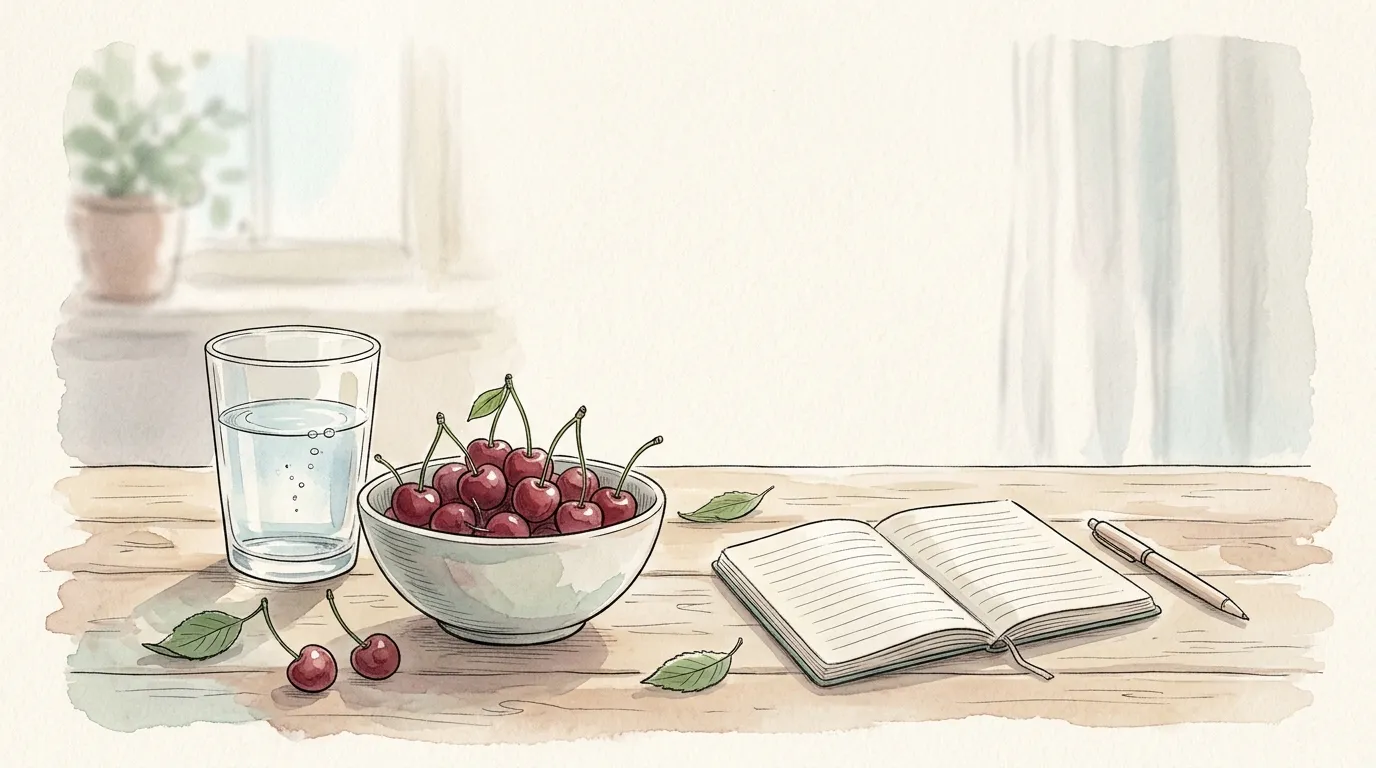
Water is the simplest and most evidence-backed kidney protector available without a prescription. Drinking 2–3 liters of water daily dilutes urine, lowers uric acid concentration in blood, and reduces stone formation risk.
A 2021 review in Nutrients found that gout patients who maintained urine output above 2 liters/day had significantly fewer kidney stone recurrences. Aim for pale yellow urine as your daily target.
[link: water intake and gout guide]
Eat for Kidneys and Gout Together
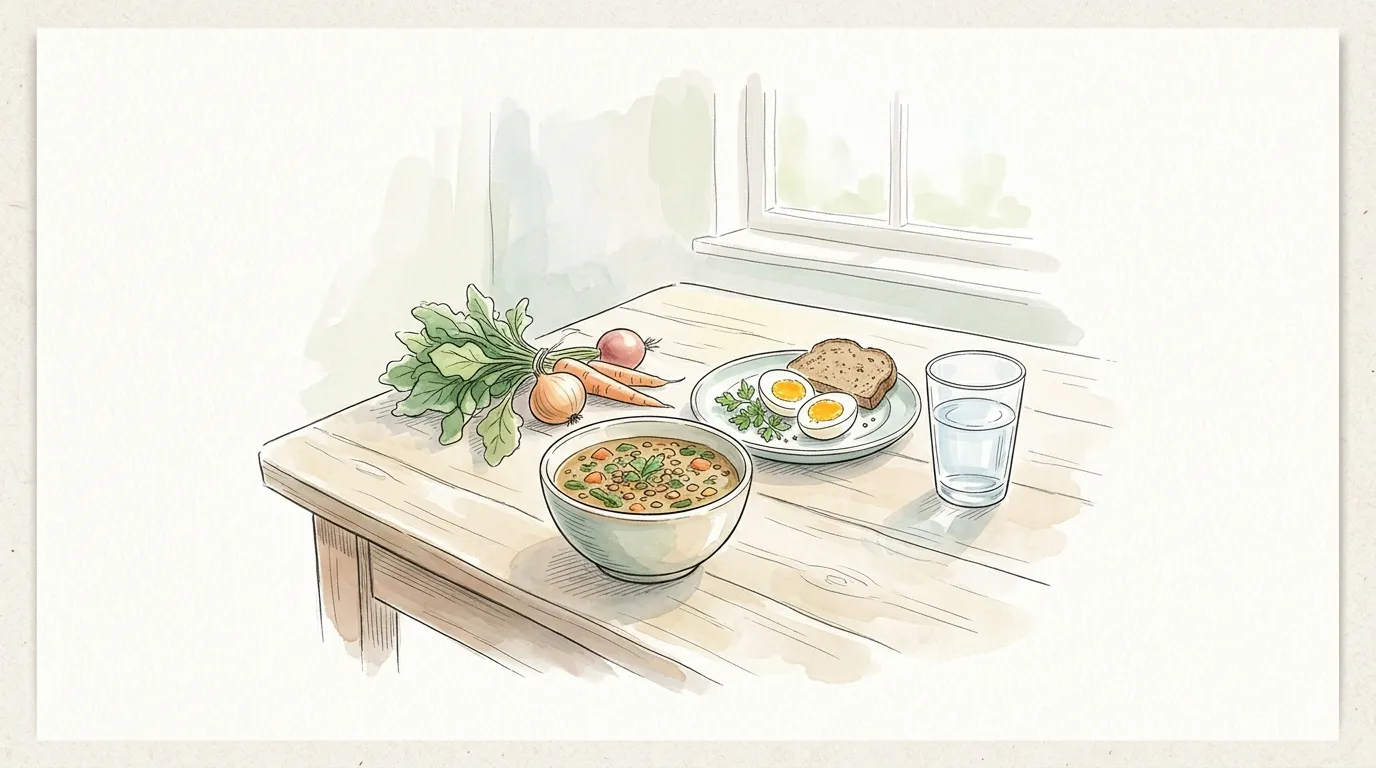
The good news: a kidney-protective diet and a gout-friendly diet overlap significantly. Both favor:
- Low-sodium intake (< 2,300 mg/day) — reduces blood pressure and kidney strain
- Plant-based proteins over organ meats and red meat — lower purine load; plant purines have less impact on uric acid than animal purines
- Dairy products — particularly low-fat dairy, which is associated with lower uric acid levels (Choi et al., 2004 Lancet study)
- Cherries and cherry juice — modest evidence for reducing gout flare frequency and lowering uric acid; also anti-inflammatory for kidneys
- Whole grains, vegetables, fruits — consistent with DASH diet principles, which has evidence for both blood pressure and uric acid reduction
Foods to limit for both conditions:
| Food Category | Purine Level | Kidney Concern |
|---|---|---|
| Organ meats (liver, kidney) | Very High (150–800 mg/100g) | High phosphorus, saturated fat |
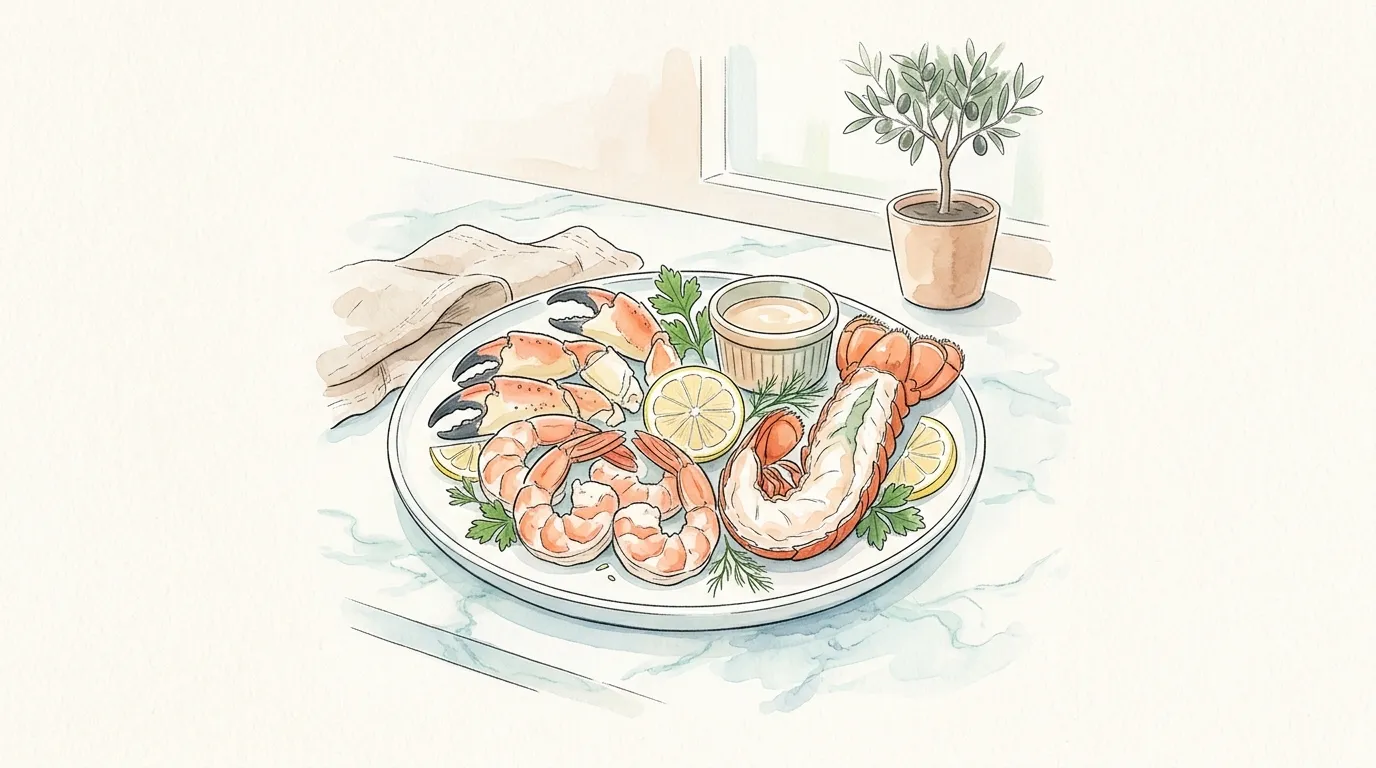
| Seafood (sardines, anchovies, mussels) | High (100–350 mg/100g) | High phosphorus |
| Processed/cured meats | Moderate–High | High sodium |
| Sugary drinks (fructose) | Low purines but raises uric acid | Metabolic stress on kidneys |
| Alcohol (especially beer) | Moderate + impairs excretion | Dehydrates; beer has yeast purines |
[link: low-purine foods guide]
Choose Kidney-Safe Medications When Possible
Febuxostat (Uloric): Some research suggests febuxostat may have a modest renal-protective effect compared to allopurinol in patients with CKD, though the CARES trial (2018) raised cardiovascular concerns for patients with established cardiovascular disease. Discuss with your doctor.
Allopurinol: Requires dose reduction based on kidney function (eGFR). Never use the standard 300 mg/day dose if your eGFR is significantly reduced without explicit physician guidance — but stopping allopurinol entirely is often worse than using a lower adjusted dose.
Avoid: Long-term NSAID use if you have CKD. Colchicine is generally preferred for acute attacks in this population, at reduced doses.
Manage Blood Pressure Aggressively
Hypertension is simultaneously gout's most common comorbidity AND the leading driver of CKD progression. This triple threat — gout + hypertension + kidney disease — is more common than most people realize.
One important nuance: thiazide diuretics (common blood pressure drugs) raise uric acid levels and can trigger gout flares. Losartan (an angiotensin receptor blocker) is the notable exception — it actually lowers uric acid slightly and is preferred in gout patients with hypertension, per ACR guidelines.
Monitor Kidney Function Every 6–12 Months
If you have gout plus any of the following, you need at minimum annual kidney function checks:
- Age over 65
- Hypertension
- Diabetes
- Family history of kidney disease
- BMI over 30
- History of kidney stones
Don't wait for symptoms — CKD is silent until it's serious.
Frequently Asked Questions
Can treating gout also slow CKD progression? Emerging evidence says yes. A 2020 meta-analysis in PLOS Medicine found that urate-lowering therapy was associated with slower eGFR decline in CKD patients with hyperuricemia, though randomized trial evidence remains limited. Most nephrologists now consider treating high uric acid in CKD patients a priority, not just an afterthought.
Should I stop allopurinol if my kidney function drops? No — stopping is often counterproductive. Uric acid will rise further, causing more crystal-related kidney injury. The right response is to adjust the dose in consultation with your doctor and nephrologist.
Is dialysis a risk if I have gout? Gout alone doesn't cause dialysis-level kidney failure in most people if managed properly. However, poorly controlled hyperuricemia over years combined with hypertension and diabetes can collectively push CKD to end-stage. Control all three.
Does low-purine diet significantly lower kidney stone risk? Yes. A low-purine diet reduces urinary uric acid excretion, and targeting a urine pH of 6.0–6.5 (with potassium citrate supplements if needed, as prescribed) significantly reduces uric acid stone formation.
In Summary
- Gout and kidney disease share uric acid as a common cause — each condition worsens the other.
- 20–40% of gout patients have some degree of chronic kidney disease (CKD).
- Uric acid crystals can deposit in kidney tissue, causing gouty nephropathy and accelerating kidney function decline.
- Uric acid kidney stones affect 15–25% of gout patients over their lifetime.
- Protective steps include staying well-hydrated (2–3 L/day), following a low-purine/kidney-safe diet, avoiding long-term NSAID use, choosing appropriate blood pressure medications (losartan preferred), and monitoring eGFR and uric acid at least annually.
- Do not stop urate-lowering therapy if kidney function drops — adjust the dose with medical guidance instead.
Track Your Uric Acid and Protect Your Kidneys With GoutSnap
GoutSnap's Gout Flare Tracker helps you identify the foods and habits that trigger your attacks — so you can break the cycle before it harms your kidneys. The AI Food Scanner instantly analyzes any meal for purine content, helping you stay within safe limits every day. For premium users, the 7-Day DASH Diet Meal Planner builds a kidney-friendly, gout-safe menu automatically.
Download GoutSnap free:
Take Control of Your Uric Acid with a Smarter Gout App
High uric acid is the root cause of gout attacks — and managing it starts with what you eat. GoutSnap is a dedicated gout app that uses AI to analyze your meals in real time, so you always know which foods are raising your uric acid and which are safe.
Snap a photo of your meal and our gout app instantly estimates purine content, flags high-purine foods linked to uric acid spikes, and suggests lower-purine alternatives — no guesswork needed.
Why GoutSnap is the #1 Gout App for Uric Acid Management
- AI Food Scanner - Photo-based purine analysis helps you avoid uric acid-raising foods before they cause a flare
- Uric Acid Diet Tracker - Log meals and monitor daily purine intake to keep uric acid levels in a safe range
- Personalized Advice - The gout app learns your diet patterns and recommends uric acid-friendly swaps tailored to you
- Flare & Trigger Tracking - Connect meals to gout symptoms over time to discover which foods drive your uric acid up
Unlike generic diet apps, GoutSnap is built exclusively for gout — every feature is designed to help you lower uric acid and prevent painful flare-ups.


4.9 on the App Store · 15,000+ downloads · 475+ reviews