Gout and Diabetes: Managing Two Conditions at Once
09 Oct 2026

Gout and diabetes don't just occasionally coexist — they share deep metabolic roots that make each condition worse. If you have both, you're not dealing with bad luck. You're dealing with a common, well-documented metabolic cluster that requires a coordinated approach.
This matters because treating one condition without accounting for the other can backfire badly. Some diabetes medications raise uric acid. Gout's signature inflammation worsens insulin resistance. And the dietary advice for each condition — while overlapping — has some critical differences that catch people off guard.
Here's what you need to know to manage both effectively.
How Common Is It to Have Both Gout and Diabetes?
More common than most people realize. A 2021 analysis published in Arthritis & Rheumatology found that people with gout are approximately twice as likely to develop type 2 diabetes compared to those without gout. The reverse is also true: diabetes and prediabetes significantly elevate your risk of hyperuricemia (high uric acid), the metabolic state that causes gout.
In the United States, an estimated 9.2 million adults have gout, according to data from the Centers for Disease Control and Prevention (CDC). Of those, a substantial proportion — some studies suggest 30–40% — also have type 2 diabetes or prediabetes. Globally, the overlap is even higher in populations with diets rich in fructose and meat.
Bottom line: gout + diabetes is not an uncommon pairing. It's a recognized metabolic cluster, and your treatment plan should reflect that.
The Shared Biological Link: Insulin Resistance and Uric Acid
The connection between gout and diabetes isn't coincidental — it runs through insulin resistance, a condition where your cells stop responding normally to insulin.
Here's the mechanism:
Insulin resistance raises uric acid. Normally, insulin helps your kidneys excrete uric acid. When you develop insulin resistance, that excretion process slows down. Uric acid builds up in the blood, and eventually crystallizes in joints — causing gout.
Fructose drives both. High fructose corn syrup (in sodas, processed foods, fruit juices) is uniquely problematic. Unlike glucose, fructose metabolism in the liver produces uric acid as a byproduct and promotes fat accumulation and insulin resistance. A 2016 study in PLOS ONE found that every additional daily serving of fructose-sweetened beverages was associated with a 15% higher risk of hyperuricemia.
Chronic gout inflammation worsens glucose control. The inflammatory molecules released during a gout flare — particularly interleukin-1β (IL-1β) — interfere with insulin signaling. Chronic low-grade inflammation from poorly controlled gout can push prediabetes into full type 2 diabetes.
In short: each condition actively makes the other worse. Managing them separately misses the point.
Medications to Watch: When Diabetes Drugs Affect Uric Acid
Not all diabetes medications are equal when you also have gout. Some are neutral or even beneficial; others can significantly raise uric acid levels.
| Diabetes Medication | Effect on Uric Acid | Notes |
|---|---|---|
| Metformin | Neutral to mildly beneficial | Generally safe; may modestly lower uric acid |
| SGLT2 inhibitors (empagliflozin, dapagliflozin) | Lowers uric acid | Doubly beneficial — also lowers blood sugar and has kidney/heart benefits |
| GLP-1 agonists (semaglutide, liraglutide) | Neutral to mildly beneficial | Weight loss effect may help both conditions |
| Diuretics (thiazides) | Raises uric acid significantly | Often prescribed for hypertension in diabetics; monitor uric acid levels closely |
| Niacin (nicotinic acid) | Raises uric acid | Sometimes used to improve HDL; discuss alternatives with your doctor |
| Cyclosporine | Raises uric acid markedly | Mainly relevant for transplant patients with diabetes |
A 2019 meta-analysis in Annals of the Rheumatic Diseases found that SGLT2 inhibitors reduced serum uric acid by approximately 0.7–1.0 mg/dL — a clinically meaningful reduction. If you have both conditions, asking your doctor about an SGLT2 inhibitor instead of, or alongside, other diabetes medications is a conversation worth having.
Conversely, if you're on a thiazide diuretic for blood pressure (very common in people with type 2 diabetes), your uric acid levels deserve close monitoring. This drug class reduces uric acid excretion by up to 25%.
Diet Strategy: What Overlaps and What Conflicts
The good news: the dietary strategies for gout and diabetes overlap significantly. The bad news: there are a few important conflicts you need to navigate.
What helps both conditions
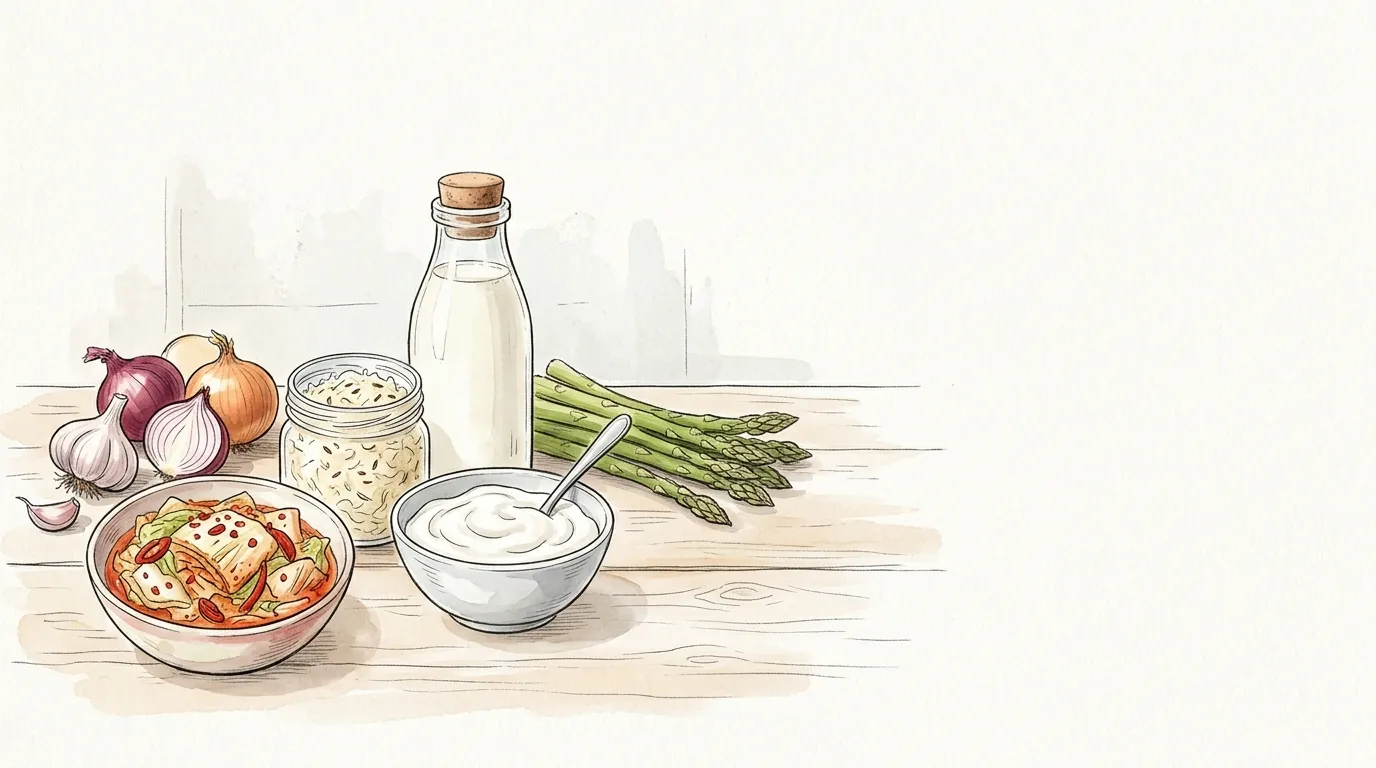
Lower fructose intake. This is the single most impactful dietary change for both conditions. Cut out sugar-sweetened beverages, minimize fruit juice, and read labels for high-fructose corn syrup. Whole fruit is fine in moderation — the fiber slows absorption and the fructose load is far lower than juice.
Reduce refined carbohydrates. White bread, white rice, pastries, and sugary cereals spike blood glucose and indirectly raise uric acid through insulin-mediated effects. Replacing these with complex carbohydrates (oats, legumes, whole grains) benefits both conditions.
Increase hydration. Drinking 2–3 liters of water per day helps kidneys excrete both glucose and uric acid. This is one of the lowest-effort, highest-impact interventions for both conditions.
Adopt a Mediterranean-style eating pattern. Multiple studies confirm that a Mediterranean diet — heavy in vegetables, whole grains, olive oil, nuts, and fish — improves insulin sensitivity and lowers uric acid. The American College of Rheumatology (ACR) 2020 guidelines acknowledge that overall dietary quality, rather than strict purine avoidance, is the more sustainable approach.
See [link: low-purine foods guide] for a detailed breakdown of which foods are safe in terms of purine content.
The key conflict: high-purine proteins vs. blood sugar control
Here's where people get confused. For diabetes management, lean proteins are generally recommended over refined carbohydrates — and that sometimes means red meat, poultry, or seafood. But many of these proteins are high in purines.
The resolution:
- Choose lower-purine proteins. Eggs and low-fat dairy are the best options — low purine, excellent protein quality, and beneficial for blood sugar control. Greek yogurt and cottage cheese are standouts.
- Moderate — don't eliminate — higher-purine proteins. Chicken breast (about 175mg purine per 100g) and canned tuna (about 80mg/100g) are manageable. You don't need to avoid them entirely; portion size matters.
- Avoid organ meats and very high-purine seafood. Liver, kidneys, anchovies, sardines, and mussels should be avoided or eaten only occasionally — they combine high purine loads with negligible benefit for blood sugar.
- Legumes are your friend. Beans, lentils, and chickpeas have moderate purines (around 50–150mg/100g) but are high in fiber, low glycemic, and significantly improve insulin sensitivity. The ACR's guidelines explicitly state that despite their purine content, legumes are safe for most gout patients and should not be restricted.
Alcohol: double trouble
Alcohol worsens both conditions. Beer is particularly harmful for gout because it contains guanosine (a purine precursor) AND competes with uric acid for renal excretion. For diabetes, alcohol disrupts glucose metabolism and contributes to weight gain.
If you have both conditions, limiting alcohol to 0–1 drinks per day (or eliminating it) is strongly recommended by both the ACR and the American Diabetes Association.
Exercise: Moving Safely With Both Conditions
Exercise is non-negotiable for type 2 diabetes management — it dramatically improves insulin sensitivity. It's also beneficial for gout by supporting weight management and reducing systemic inflammation, though acute flares make movement painful.
During a flare: Rest the affected joint. You can still do upper-body or low-impact movements that don't stress the inflamed area. Movement of unaffected parts of the body is fine and keeps blood sugar from spiking.
Between flares: Aim for 150 minutes per week of moderate-intensity activity, as recommended by the American Diabetes Association. Low-impact options — swimming, cycling, and walking — are ideal because they improve insulin sensitivity without stressing joints that may be recovering from a previous flare.
Weight loss benefits both. Every kilogram of weight lost reduces uric acid by approximately 0.024 mg/dL, according to research published in Arthritis & Rheumatology. For diabetes, even a 5–7% reduction in body weight significantly improves glycemic control. The goals align perfectly.
Monitoring: What to Track (And How Often)
If you have both conditions, proactive monitoring is essential. Here's what to keep an eye on:
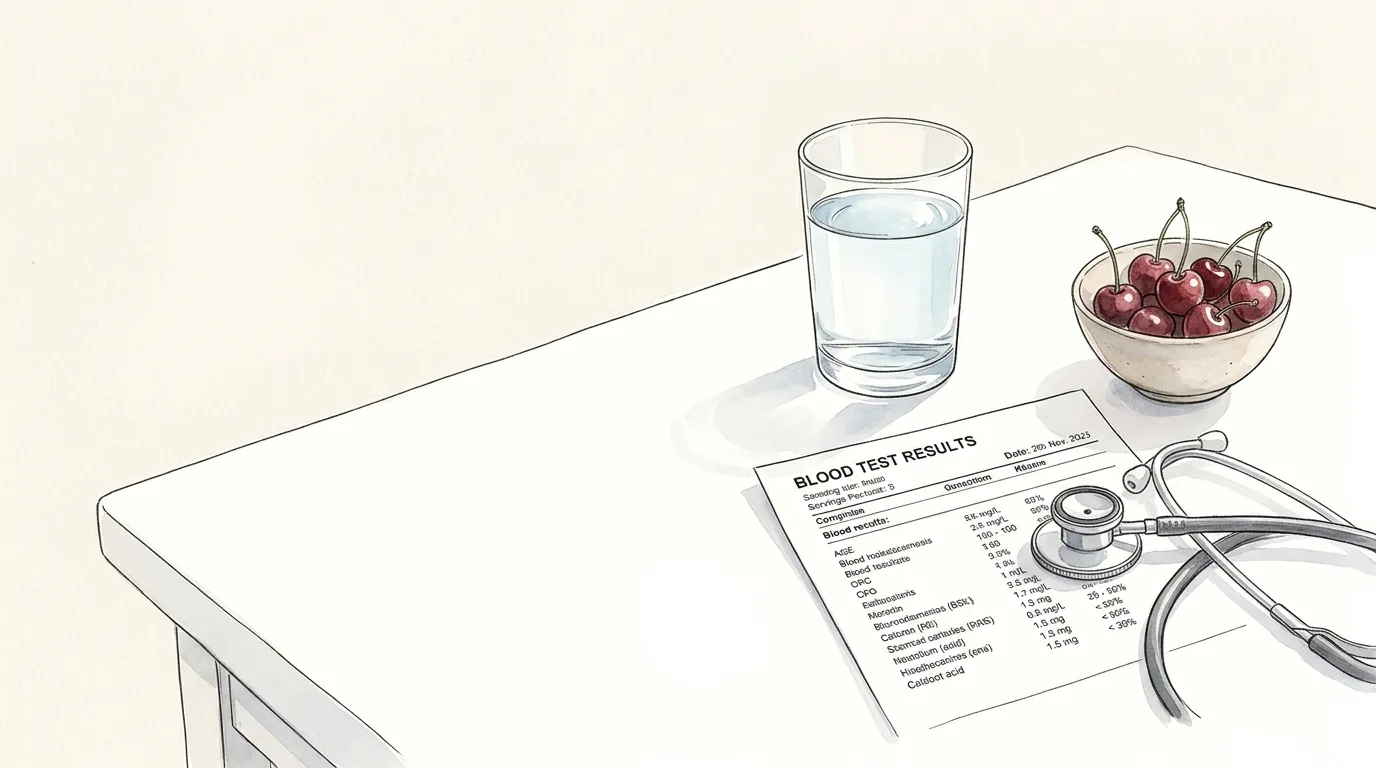
Uric acid levels: Your target should be below 6.0 mg/dL (below 5.0 mg/dL if you have visible tophi or frequent flares), per ACR guidelines. Get tested every 3–6 months while optimizing treatment.
HbA1c: Your glycated hemoglobin target (typically below 7% for most people with type 2 diabetes) should be reviewed every 3 months until stable, then every 6 months.
Kidney function (eGFR and creatinine): Both gout and diabetes damage the kidneys over time. Impaired kidney function reduces your ability to excrete uric acid, creating a vicious cycle. Annual kidney function testing is a minimum; your doctor may want more frequent checks.
Blood pressure: Hypertension is extremely common in people with both gout and diabetes. Since some blood pressure medications worsen gout (see the diuretic discussion above), medication selection matters. ACE inhibitors and ARBs are preferred — they're blood-pressure-lowering, kidney-protective, and mildly uricosuric (they help excrete uric acid).
See [link: gout and kidney disease guide] for a deeper look at how kidney health connects to uric acid management.
When to See a Rheumatologist vs. Your Endocrinologist
Most people with both conditions are primarily managed by a primary care physician or endocrinologist. But certain situations warrant a rheumatology referral:
- Frequent flares despite medication (more than 2 per year while on allopurinol or febuxostat)
- Visible tophi (hard deposits of uric acid crystals under the skin)
- Gout affecting multiple joints simultaneously
- Uric acid that won't come down below 6.0 mg/dL despite adequate medication doses
The ideal scenario is a coordinated care plan between your rheumatologist and endocrinologist, where both are aware of the medications being used for the other condition. Bring a complete medication list — including over-the-counter supplements — to every appointment with both specialists.
A Practical Daily Checklist
Managing two chronic conditions is overwhelming if you think of them separately. Reframing them as one metabolic problem makes the daily habits feel more coherent:
- Drink at least 2 liters of water — helps both
- Skip sugary drinks and juice — the highest-impact single change
- Eat your largest protein as egg, dairy, or legume — safe for gout, beneficial for blood sugar
- Take a 20-minute walk after your largest meal — blunts glucose spikes and maintains joint mobility
- Check your medications list — note any diuretics, niacin, or other uric-acid-raising drugs and discuss alternatives with your doctor
In Summary
- Gout and type 2 diabetes share a common metabolic root: insulin resistance, which reduces uric acid excretion and promotes hyperuricemia.
- Each condition worsens the other — gout's inflammation impairs insulin signaling; high uric acid contributes to insulin resistance.
- Some diabetes medications (especially SGLT2 inhibitors) actively lower uric acid; thiazide diuretics raise it significantly.
- Diet strategy overlaps substantially: cut fructose and refined carbs, increase water intake, adopt Mediterranean-style eating, and prioritize eggs, low-fat dairy, and legumes as your go-to proteins.
- Exercise benefits both conditions — aim for 150 minutes per week of low-impact activity.
- Monitor uric acid, HbA1c, and kidney function regularly; these three metrics tell the story of how well both conditions are controlled.
- Coordinate care between your rheumatologist and endocrinologist, sharing a complete medication list with both.
Managing two conditions at once is harder than managing one — but the good news is that the lifestyle interventions for gout and diabetes pull in the same direction. Getting one under control genuinely helps the other.
Take Control of Your Uric Acid with a Smarter Gout App
High uric acid is the root cause of gout attacks — and managing it starts with what you eat. GoutSnap is a dedicated gout app that uses AI to analyze your meals in real time, so you always know which foods are raising your uric acid and which are safe.
Snap a photo of your meal and our gout app instantly estimates purine content, flags high-purine foods linked to uric acid spikes, and suggests lower-purine alternatives — no guesswork needed.
Why GoutSnap is the #1 Gout App for Uric Acid Management
- AI Food Scanner - Photo-based purine analysis helps you avoid uric acid-raising foods before they cause a flare
- Uric Acid Diet Tracker - Log meals and monitor daily purine intake to keep uric acid levels in a safe range
- Personalized Advice - The gout app learns your diet patterns and recommends uric acid-friendly swaps tailored to you
- Flare & Trigger Tracking - Connect meals to gout symptoms over time to discover which foods drive your uric acid up
Unlike generic diet apps, GoutSnap is built exclusively for gout — every feature is designed to help you lower uric acid and prevent painful flare-ups.


4.9 on the App Store · 15,000+ downloads · 475+ reviews