Colchicine for Gout: How It Works, Dosage, and Side Effects
30 Oct 2026
Colchicine is one of the fastest ways to stop a gout attack in its tracks — but only if you take the right dose at the right time. Miss that window, or take too much, and you're either stuck with pain or dealing with unpleasant side effects.
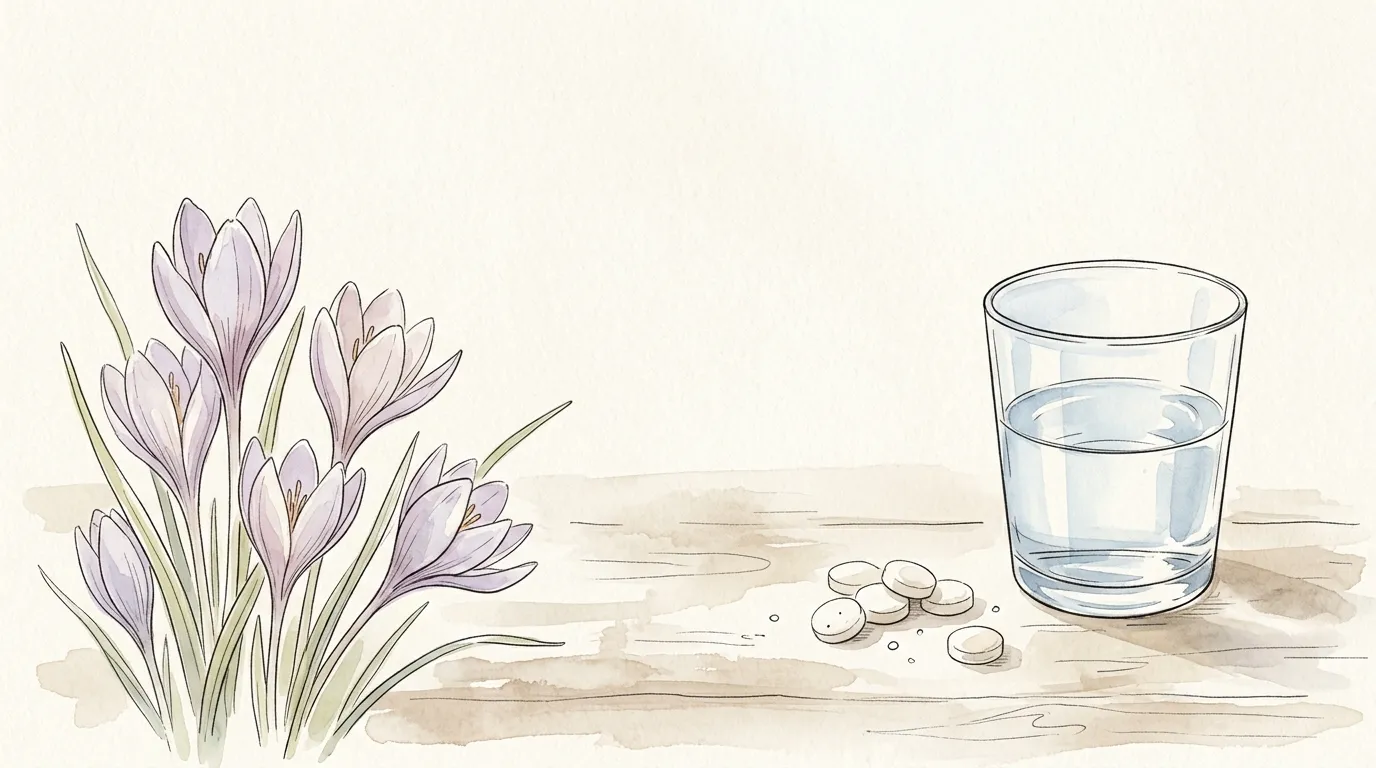
Most people think of colchicine as old-fashioned. It's been used for gout for over 2,000 years — ancient Egyptians extracted it from the autumn crocus plant (Colchicum autumnale). But modern research has transformed how we use it, with clinical trials proving that a low-dose regimen works just as well as the old high-dose approach, with far fewer side effects. Here's what you actually need to know.
How Colchicine Works Against Gout
Gout attacks happen when uric acid crystals accumulate in a joint — typically the big toe — and your immune system sends white blood cells called neutrophils to fight them. That inflammatory response is what causes the excruciating pain, swelling, and redness of a flare.
Colchicine doesn't lower your uric acid. That's a crucial distinction. Instead, it disrupts the inflammatory cascade by interfering with a protein called tubulin, which is essential for neutrophils to move and multiply. Without functional tubulin, neutrophils can't migrate to the joint effectively, and the inflammatory assault weakens dramatically.
Specifically, colchicine inhibits a multi-protein complex called the NLRP3 inflammasome — the key "alarm system" that triggers the body's inflammatory response to uric acid crystals. Research published in Arthritis & Rheumatology (2019) confirmed this mechanism is central to its effectiveness in acute gout.
Bottom line: Colchicine calms the immune storm triggered by uric acid crystals. It doesn't address what caused those crystals — that requires separate urate-lowering therapy.
When to Take Colchicine: The 12-Hour Window
Speed is everything with colchicine. Clinical evidence shows it works best when taken within 12–24 hours of when a flare begins. After 24 hours, the inflammatory cascade is already in full swing, and colchicine's effectiveness drops significantly.
The American College of Rheumatology (ACR) 2020 Gout Management Guidelines recommend colchicine as a first-line treatment for acute gout attacks, alongside NSAIDs and corticosteroids, with the caveat that early use is critical.
Signs a flare is starting that should prompt you to take colchicine:
- A warm, tender feeling in a joint (often the big toe, ankle, or knee)
- The joint feeling "tight" before visible swelling appears
- Waking at night with joint pain that's getting worse
Don't wait until the pain becomes unbearable. At that point, anti-inflammatory treatment is playing catch-up.
Colchicine Dosage: Low-Dose vs. High-Dose — What the Research Says
The old standard was to take colchicine every 1–2 hours until pain resolved or gastrointestinal side effects became intolerable. This "high-dose" approach regularly caused severe diarrhea, nausea, and vomiting.
A landmark randomized controlled trial — the AGREE trial (2010), published in Arthritis & Rheumatism — changed this permanently. It compared high-dose colchicine (4.8 mg total over 6 hours) with low-dose colchicine (1.8 mg total) and placebo in 185 gout patients. Key findings:
- Low-dose colchicine achieved the same pain reduction as high-dose at 24 hours
- GI adverse events were 36% in the low-dose group vs. 77% in the high-dose group (nearly identical to placebo's 27%)
- Diarrhea was 23% for low-dose vs. 77% for high-dose
The current ACR-recommended low-dose regimen:
- Initial dose: 1.2 mg (two 0.6 mg tablets) at the first sign of a flare
- Follow-up dose: 0.6 mg (one tablet) one hour later
- Total: 1.8 mg over 1–2 hours
After that, do not take more colchicine for the next 12 hours. If the attack continues past 12 hours, you can resume 0.6 mg once or twice daily until it resolves.
Colchicine Dosage Reference Table
| Indication | Standard Dose | Timing | Max Daily Dose |
|---|---|---|---|
| Acute flare (low-dose protocol) | 1.2 mg, then 0.6 mg 1 hr later | Within 12–24 hrs of onset | 1.8 mg over first 12 hrs |
| Flare continuation | 0.6 mg once or twice daily | After initial loading dose | 1.2 mg/day |
| Prophylaxis (prevention) | 0.6 mg once or twice daily | Ongoing, per physician guidance | 1.2 mg/day |
| Renal impairment (mild-mod) | 0.6 mg single dose | Physician-adjusted | 0.6 mg (no repeat <2 weeks) |
Always follow your doctor's prescription. Doses may be adjusted based on kidney function, other medications, and individual health factors.
Colchicine for Flare Prevention (Prophylaxis)
Colchicine isn't only for acute attacks. When you start a urate-lowering medication like allopurinol or febuxostat, your uric acid levels drop — and that drop can paradoxically trigger flares as uric acid crystals begin to dissolve and dislodge from tissues.
To prevent these "initiation flares," ACR guidelines recommend low-dose colchicine prophylaxis (0.6 mg once or twice daily) for at least 3–6 months when beginning urate-lowering therapy, or until the target serum urate level has been maintained for 6 months.
This is an important and often overlooked point: if your doctor has prescribed both allopurinol and colchicine together, the colchicine is protecting you during the transition period. Stopping it early is a common reason patients experience painful flares during what should be the recovery phase.
For more on how allopurinol and urate-lowering therapy work, see our guide [link: allopurinol gout treatment guide].
Side Effects of Colchicine: What to Expect
Common Side Effects (Dose-Related)
The most frequent side effects are gastrointestinal and are strongly linked to dose:
- Diarrhea — most common; occurs in ~77% at high doses, ~23% at low doses
- Nausea and vomiting — especially with higher doses
- Abdominal cramping — often accompanies diarrhea
These GI effects occur because colchicine interferes with cell division in the rapidly dividing cells of the intestinal lining. If you experience severe diarrhea or vomiting, stop taking colchicine and contact your healthcare provider.
Less Common but Serious Side Effects
At standard therapeutic doses, serious side effects are rare but real:
Muscle damage (myopathy): Colchicine can cause muscle weakness, pain, or breakdown (rhabdomyolysis), especially with long-term use or in people with kidney problems. The risk increases significantly when colchicine is combined with certain statin medications (used to lower cholesterol).
Nerve damage (peripheral neuropathy): Numbness or tingling in hands and feet can occur with prolonged use.
Bone marrow suppression: Very rare at standard doses, but can reduce the production of blood cells. Signs include unusual bruising, fatigue, or recurrent infections.
Toxicity risk: Colchicine has a narrow therapeutic window — the gap between an effective dose and a toxic dose is small. Overdose can be life-threatening. This is why it should only be taken as prescribed.
Who Should Use Colchicine With Extra Caution
- People with chronic kidney disease (CKD) — kidneys clear colchicine; impaired kidneys can cause dangerous accumulation
- People taking strong CYP3A4 or P-glycoprotein inhibitors (like clarithromycin, cyclosporine, or certain HIV medications) — these significantly increase colchicine blood levels
- People on statins (especially simvastatin or atorvastatin) — increased myopathy risk
- Older adults — reduced kidney clearance increases toxicity risk
Always give your prescribing doctor and pharmacist a complete list of all medications you take, including over-the-counter drugs and supplements.
Colchicine vs. NSAIDs vs. Steroids: Which Is Best for Your Flare?
For acute gout attacks, three treatment options are recommended as first-line by the ACR: colchicine, NSAIDs (like indomethacin or naproxen), and corticosteroids (like prednisone). Which is best for you depends on your health profile:
| Treatment | Best For | Cautions |
|---|---|---|
| Colchicine | Most patients; especially those who can't take NSAIDs | Kidney disease, drug interactions |
| NSAIDs (indomethacin, naproxen) | Otherwise healthy adults | Kidney disease, heart disease, GI ulcers, anticoagulants |
| Corticosteroids (prednisone) | Patients who can't take either; single-joint attacks | Diabetes (raises blood sugar), osteoporosis |
No head-to-head evidence proves one is definitively superior to another in pain relief. The choice is made based on your medical history and contraindications.
Importantly, combining colchicine with an NSAID does not provide significantly better relief and increases risk of side effects. Stick to one approach per flare.
Long-Term Use: Is It Safe?
Long-term prophylactic colchicine at low doses (0.6 mg once or twice daily) has an established safety record when used appropriately. A 2020 meta-analysis in the Journal of the American College of Cardiology actually found that low-dose colchicine reduced cardiovascular events in patients with coronary artery disease — an interesting potential secondary benefit being actively studied.
For gout patients, the main concerns with long-term use remain:
- Monitoring kidney function — dose adjustments are needed as kidney function changes
- Drug interaction checks — especially if new medications are added
- Periodic blood tests — to monitor for bone marrow effects in long-term users
Regular follow-ups with your rheumatologist or GP are essential if you're using colchicine preventively.
Practical Tips for Taking Colchicine
Take it with or without food. Colchicine is absorbed equally whether you've eaten or not. If it upsets your stomach, taking it with food may help reduce nausea.
Keep a supply on hand. The whole point of colchicine for acute flares is taking it immediately. Waiting until your next appointment to get a prescription means you've already missed the optimal treatment window.
Track your flares. Knowing when attacks start, what triggered them, and how long they last is critical information for your doctor. GoutSnap's gout flare tracker makes it easy to log symptoms and patterns, which helps identify whether prophylactic colchicine is appropriate for you.
Never double up. If you miss a dose of your preventive colchicine, skip it and take the next one as scheduled. Taking two doses to compensate increases toxicity risk.
Store it properly. Keep colchicine at room temperature, away from heat and moisture. Don't store it in the bathroom.
What Colchicine Cannot Do
It's worth being direct about what colchicine doesn't accomplish:
-
It does not lower uric acid. You can take it every day for years and your serum urate won't budge. For long-term gout control, you need a xanthine oxidase inhibitor like allopurinol or febuxostat, or a uricosuric agent like probenecid.
-
It does not prevent flares indefinitely on its own. Prophylactic colchicine reduces flare frequency while urate-lowering therapy works, but the underlying hyperuricemia must be treated.
-
It is not a substitute for dietary changes. Reducing high-purine foods, staying hydrated, limiting alcohol, and maintaining a healthy weight all reduce the uric acid load that makes attacks possible. See the [link: complete gout diet guide] for a full breakdown of foods that raise or lower uric acid.
Colchicine Availability: Prescription vs. Over-the-Counter
In the United States, colchicine is prescription-only. The branded versions — Colcrys and Mitigare — have been FDA-approved since 2009. Generic colchicine 0.6 mg tablets are widely available and significantly cheaper.
In some other countries, colchicine is available over the counter. However, given its narrow therapeutic index and significant drug interactions, medical supervision is strongly recommended regardless of local regulations.
The cost of brand-name colchicine in the US can be substantial. If cost is a concern, ask your doctor or pharmacist about generic options, patient assistance programs, or GoodRx-type discount services.
In Summary
- Colchicine works by blocking the inflammatory response to uric acid crystals, not by lowering uric acid levels
- Take it within 12 hours of a flare starting — early use is key to effectiveness
- The low-dose protocol (1.2 mg, then 0.6 mg one hour later) is as effective as the old high-dose regimen with far fewer GI side effects
- Common side effects are gastrointestinal (diarrhea, nausea) and are dose-dependent — almost always avoidable with the low-dose approach
- Serious risks include muscle damage and toxicity, especially in people with kidney disease or those taking interacting medications
- Long-term prophylactic use is appropriate during the first 3–6 months of urate-lowering therapy to prevent "initiation flares"
- Colchicine does not replace urate-lowering therapy — it manages flares while the underlying hyperuricemia is being treated
- Always take colchicine under medical supervision, inform your doctor of all other medications, and monitor kidney function regularly
Take Control of Your Uric Acid with a Smarter Gout App
High uric acid is the root cause of gout attacks — and managing it starts with what you eat. GoutSnap is a dedicated gout app that uses AI to analyze your meals in real time, so you always know which foods are raising your uric acid and which are safe.
Snap a photo of your meal and our gout app instantly estimates purine content, flags high-purine foods linked to uric acid spikes, and suggests lower-purine alternatives — no guesswork needed.
Why GoutSnap is the #1 Gout App for Uric Acid Management
- AI Food Scanner - Photo-based purine analysis helps you avoid uric acid-raising foods before they cause a flare
- Uric Acid Diet Tracker - Log meals and monitor daily purine intake to keep uric acid levels in a safe range
- Personalized Advice - The gout app learns your diet patterns and recommends uric acid-friendly swaps tailored to you
- Flare & Trigger Tracking - Connect meals to gout symptoms over time to discover which foods drive your uric acid up
Unlike generic diet apps, GoutSnap is built exclusively for gout — every feature is designed to help you lower uric acid and prevent painful flare-ups.


4.9 on the App Store · 15,000+ downloads · 475+ reviews