Shrimp, Crab, and Lobster: Which Shellfish Are Safe with Gout?
07 Oct 2026
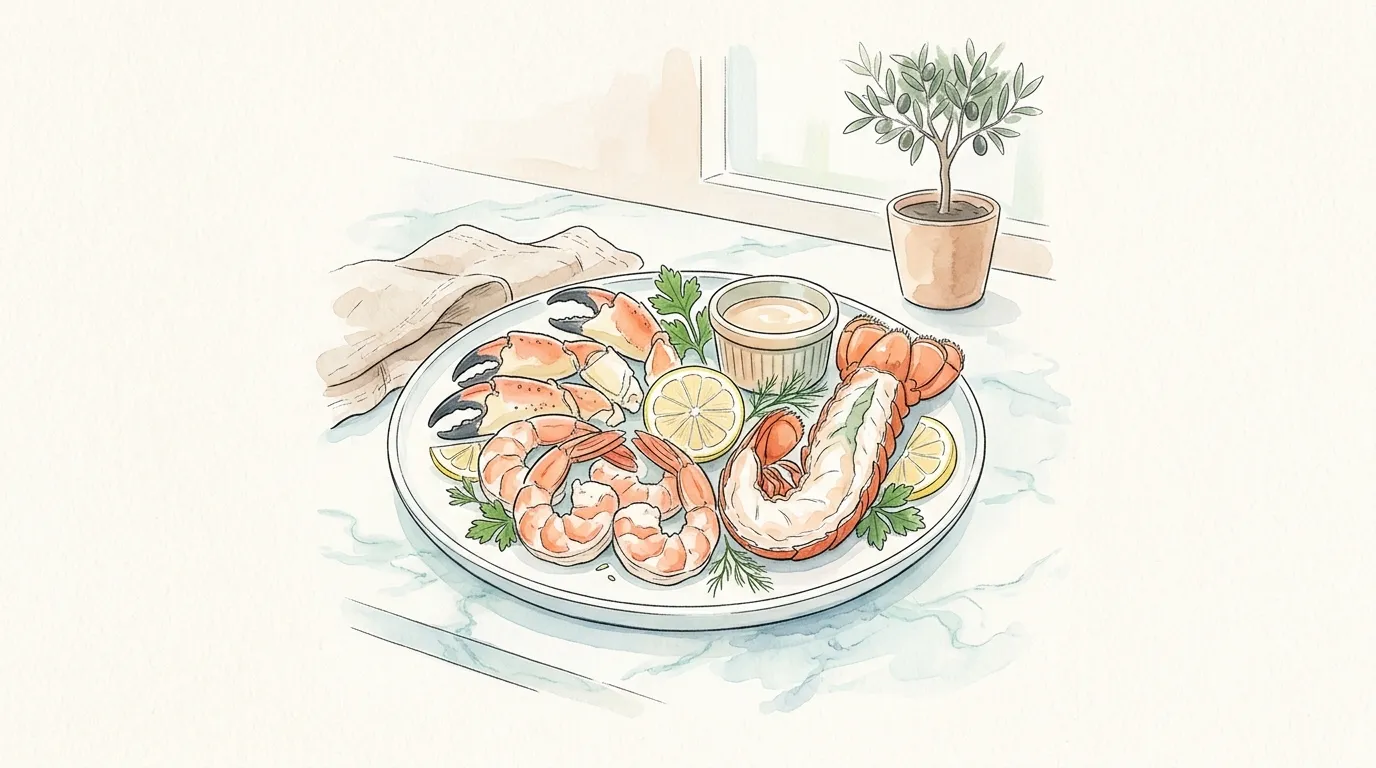
Shellfish and gout don't mix — that's the conventional wisdom. Except it's not quite right. Not all shellfish carry the same risk, and for most people with well-managed gout, small portions of certain shellfish won't trigger a flare at all.
The real answer depends on the specific shellfish, how much you eat, and what the rest of your meal looks like. Here's what the research actually says.
Why Shellfish Raise Gout Risk
Gout occurs when uric acid builds up in your blood and crystallizes inside your joints — causing sudden, severe pain, usually starting in the big toe. Purines, compounds found naturally in many foods, break down into uric acid during digestion.
Shellfish fall into the moderate-to-high purine category. When you eat a serving of shrimp or crab, your body converts those purines to uric acid. If your kidneys can't clear uric acid fast enough — which is the underlying problem in about 90% of gout cases, according to research published in the New England Journal of Medicine — levels rise and crystals form.
The key word, though, is portion. A 3 oz (85 g) serving of shrimp contains far fewer purines than the same weight of organ meats or certain fish like anchovies. The American College of Rheumatology (ACR) classifies foods above 150 mg of purines per 100 g as high-purine. Most shellfish land in the 100–160 mg range — not rock-bottom safe, but not in the danger zone of anchovies (411 mg/100g) or liver (554 mg/100g) either.
Purine Levels in Popular Shellfish: A Direct Comparison
This is where it pays to get specific. Based on data from the USDA FoodData Central and the Japanese Standard Tables of Food Composition, purine content varies meaningfully across shellfish species.
| Shellfish | Purines per 100 g (raw) | Classification |
|---|---|---|
| Oysters | 107 mg | Moderate |
| Mussels | 112 mg | Moderate |
| Lobster (clawed) | 118 mg | Moderate |
| Scallops | 136 mg | Moderate-High |
| Clams | 136 mg | Moderate-High |
| Blue Crab | 152 mg | High |
| Shrimp | 147–188 mg | High |
| Squid/Calamari | 161 mg | High |
A few things jump out. Oysters and mussels sit lowest on the list — both under 115 mg/100g, meaning a small portion puts less uric acid load on your system than the same weight of crab or shrimp. Lobster, often assumed to be the worst offender, is actually one of the safer options at 118 mg/100g.
Shrimp has the widest range (147–188 mg depending on species and preparation method) because cooking concentrates purines — boiled shrimp can push toward the upper end of that range.
Shrimp and Gout: The Nuanced Picture
Shrimp is the most commonly eaten shellfish in the United States, so it gets the most questions. The short answer: moderate consumption is probably fine for most people with stable gout.
A 3 oz portion of shrimp (roughly 10 large shrimp) contains approximately 125–140 mg of purines. That's more than an equivalent serving of chicken breast (100–110 mg) but less than sardines (345 mg). The 2012 ACR Gout Management Guidelines advise limiting high-purine seafood — not eliminating it entirely — which aligns with the evidence that dose matters more than complete avoidance.
A large epidemiological study published in the British Medical Journal tracked the diets of more than 47,000 men over 12 years. Seafood consumption was associated with an increased gout risk, but the effect size was smaller than for organ meats and alcohol. Eating 1–2 servings of shellfish per week showed a much smaller risk increase than daily consumption.
Practical bottom line: if you eat shrimp, keep it to one 3 oz serving, skip the butter sauce (saturated fat slows uric acid excretion), and drink extra water before and after the meal.
Crab: Moderate Risk, Manageable Portions
Blue crab and Dungeness crab both sit around 152 mg/100g — right at the threshold the ACR considers "high purine." That sounds alarming, but the portion question is everything.
The average restaurant crab cake contains about 2.5–3 oz of crab meat. At 152 mg/100g, that's roughly 130 mg of purines per serving — comparable to shrimp. A full crab leg cluster at a seafood restaurant, however, might contain 6–8 oz of meat, pushing the purine load to 260–345 mg from that dish alone. That's the territory where flares become likely, especially if you also had a beer with dinner.
One hidden risk with crab: the way it's prepared. Fried crab dishes and crab smothered in butter or cream sauces add calories and fat, both of which blunt your kidneys' ability to excrete uric acid. Steamed or boiled crab is significantly safer than the fried version.
If you're managing gout with medication like allopurinol (see [link: allopurinol gout guide]), a modest serving of crab a couple of times per month is unlikely to cause problems when your uric acid levels are well-controlled.
Lobster: Safer Than Its Reputation
Lobster has an image problem when it comes to gout. It feels indulgent, it comes in large portions, and it's often paired with butter — a triple threat. But the purine content itself is the lowest of the major shellfish at around 118 mg/100g.
A typical 6 oz lobster tail contains approximately 200 mg of purines — not a small amount, but smaller than you'd get from 4 oz of sardines or two glasses of beer. The butter is the bigger issue: dietary fat increases insulin resistance, which reduces the kidney's ability to clear uric acid, according to research from the NIH.
Steamed lobster with lemon juice rather than butter brings the risk profile down considerably. Portion control still matters — stick to a single 4–5 oz tail rather than a full 1.5 lb lobster.
Clams, Scallops, Oysters, and Mussels: The Safer Shellfish
These four often get lumped together with shrimp and crab in gout advice, but the data tells a different story.
Oysters (107 mg/100g) and mussels (112 mg/100g) have purine levels comparable to chicken thighs. A dozen oysters weighs roughly 3–4 oz of meat — somewhere in the 120–150 mg purine range total. The Arthritis Foundation lists shellfish as a food to limit rather than avoid, and lower-purine shellfish like oysters and mussels fit more comfortably within that guidance.
Clams and scallops sit at about 136 mg/100g — moderate-high. A reasonable 3 oz serving (about 5–6 large scallops) contains around 115 mg of purines. That's a manageable load if the rest of your day has been low-purine.
One important caveat: if shellfish is served in a seafood broth or bisque, purines leach into the liquid. The soup itself can concentrate purines well beyond what the shellfish meat alone contains. Skip the broth if gout is a concern.
How to Eat Shellfish Without Triggering a Flare
The research doesn't support complete elimination of shellfish for most gout patients — it supports moderation, strategic pairing, and smart preparation. Here's what works:
Keep portions small. A 3 oz serving (about the size of a deck of cards) is the benchmark. Most restaurant portions of shrimp scampi or crab legs are 2–3 times that size. Plan to eat half and take the rest home.
Drink extra water. Hydration is the single most consistent piece of advice from every major rheumatology guideline. Aim for at least 8–10 glasses of water on the day you eat shellfish. Uric acid dissolves in urine — more urine means faster excretion.
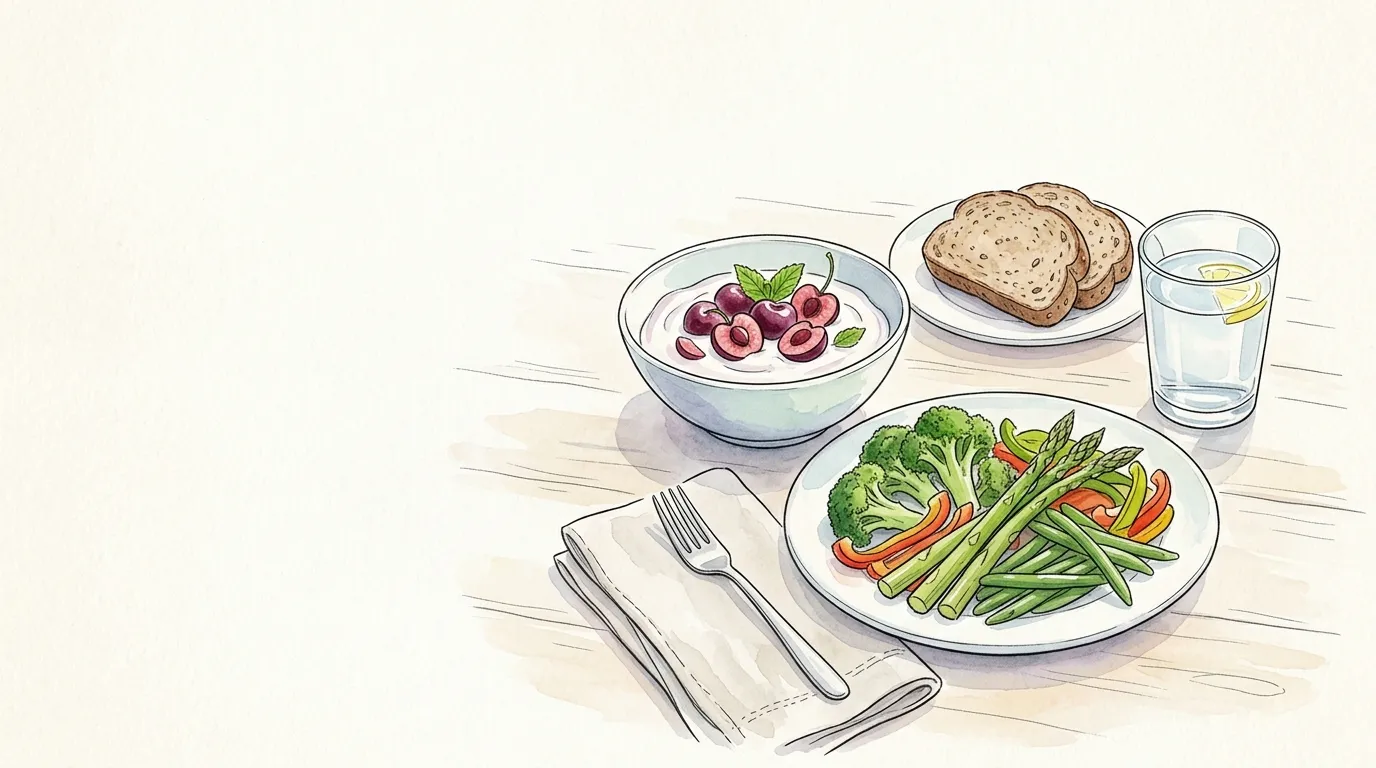
Pair with low-purine foods. A meal of shellfish served over rice or with salad is very different from shellfish over a bed of asparagus (another moderate-purine food). See [link: low-purine foods guide] for a complete list of safe pairings.
Avoid alcohol at the same meal. Alcohol — especially beer, which contains guanosine, a purine — raises uric acid independently of the shellfish. The combination of shellfish and beer is one of the most reliable gout triggers documented in the research.
Choose steamed or grilled over fried. Fried shellfish adds fat that slows uric acid clearance, and breading contributes refined carbohydrates that spike insulin — another uric acid-raising mechanism.
Don't eat shellfish during a flare. Any high-purine food can prolong a flare. During an acute attack, stick to very low-purine foods until the inflammation resolves. Typical flares resolve in 3–10 days with proper management.
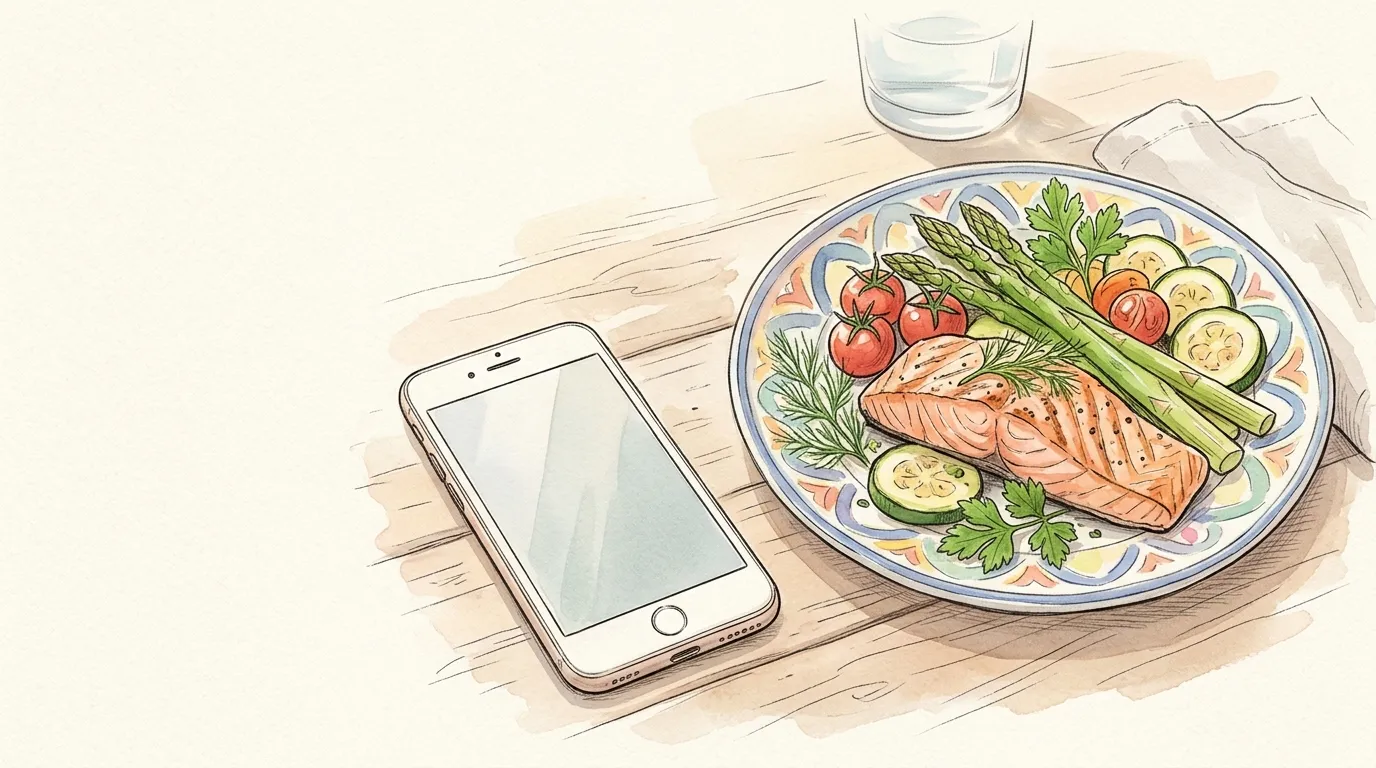
Know your personal threshold. Some people with gout are more purine-sensitive than others, especially those with early-stage disease or elevated uric acid that isn't yet being treated. Tracking what you eat against flare patterns is the most precise way to understand your individual risk. Apps that log meals against flare dates can reveal patterns that generic guidelines can't capture.
The Shellfish You Should Worry About More
All the shellfish covered here contain moderate-to-high purines, but they're not the biggest dietary threat to someone with gout. These foods carry far higher purine loads and should be prioritized for reduction first:
- Organ meats (liver, kidney, sweetbreads): 300–600 mg/100g
- Anchovies and sardines: 345–411 mg/100g
- Yeast extract (Marmite, Vegemite): ~3,100 mg/100g
- Game meats (venison, goose): 130–200 mg/100g
- Beer: raises uric acid through both purine content and ethanol metabolism
Shellfish eaten occasionally in small portions is a much smaller risk factor than daily beer drinking or regular organ meat consumption. Prioritize those changes first before cutting out all shellfish.
In Summary
- Not all shellfish are equal: oysters and mussels (~110 mg/100g) are significantly safer than shrimp (~160 mg) or crab (~152 mg).
- Lobster's reputation is worse than its reality — at 118 mg/100g, it's one of the more moderate shellfish by purine content.
- Portion size matters more than the type of shellfish: 3 oz servings are manageable for most people with well-controlled gout.
- Preparation matters: steamed or boiled shellfish is safer than fried; skip buttered sauces and seafood broths.
- Never combine shellfish with alcohol — especially beer — at the same meal.
- Drink extra water on days you eat shellfish to support uric acid excretion.
- Shellfish should be eaten occasionally, not daily; prioritize eliminating organ meats and daily alcohol before restricting shellfish.
- During a gout flare, avoid all shellfish until the attack resolves.
Take Control of Your Uric Acid with a Smarter Gout App
High uric acid is the root cause of gout attacks — and managing it starts with what you eat. GoutSnap is a dedicated gout app that uses AI to analyze your meals in real time, so you always know which foods are raising your uric acid and which are safe.
Snap a photo of your meal and our gout app instantly estimates purine content, flags high-purine foods linked to uric acid spikes, and suggests lower-purine alternatives — no guesswork needed.
Why GoutSnap is the #1 Gout App for Uric Acid Management
- AI Food Scanner - Photo-based purine analysis helps you avoid uric acid-raising foods before they cause a flare
- Uric Acid Diet Tracker - Log meals and monitor daily purine intake to keep uric acid levels in a safe range
- Personalized Advice - The gout app learns your diet patterns and recommends uric acid-friendly swaps tailored to you
- Flare & Trigger Tracking - Connect meals to gout symptoms over time to discover which foods drive your uric acid up
Unlike generic diet apps, GoutSnap is built exclusively for gout — every feature is designed to help you lower uric acid and prevent painful flare-ups.


4.9 on the App Store · 15,000+ downloads · 475+ reviews