How to Prevent Your Next Gout Attack: 10 Evidence-Based Strategies
16 Nov 2026

Preventing your next gout attack starts with one number: your serum uric acid level. Keep it consistently below 6.0 mg/dL — the saturation threshold at which monosodium urate crystals dissolve rather than accumulate — and attacks become rare or stop entirely. Everything else in gout prevention is in service of that target.
Except that most people managing gout focus almost entirely on what triggered their last flare, not on the sustained, multi-pronged approach that actually prevents the next one. That's the gap this guide addresses.
1. Know Your Uric Acid Target — and Track It Regularly
The American College of Rheumatology (ACR) sets the goal for anyone on urate-lowering therapy at below 6.0 mg/dL, and below 5.0 mg/dL for patients with tophi (visible urate crystal deposits under the skin) (ACR Gout Management Guidelines, 2020).
A single blood test taken during or immediately after a flare often gives a falsely low reading — the inflammatory response temporarily redistributes uric acid from the blood into the tissues. Test during a quiet period, at least two weeks after a flare resolves.
The practical implication: testing once and declaring success misses slow upward creep. Most rheumatologists recommend checking uric acid every 2–4 weeks while titrating medication, then every 6 months once at target. If you're managing gout without medication, testing every 3–6 months lets you catch rising levels before they trigger a flare.
Bottom line: You can't manage what you don't measure. Knowing your number is the foundation of every other strategy here.
2. Take Urate-Lowering Medication If You Need It — and Don't Stop
This is the single most effective prevention strategy available, and it's the one most patients resist. Diet, hydration, and lifestyle changes can lower uric acid by roughly 1–2 mg/dL. For many patients — especially those with levels above 8 mg/dL — that's not enough.
Allopurinol is the first-line urate-lowering medication recommended by the ACR. At appropriate doses (100–800 mg/day, titrated based on response and kidney function), it reliably brings uric acid to target in the majority of patients. Febuxostat is an alternative for those who don't tolerate allopurinol.
One critical point: when you first start urate-lowering therapy, flares can temporarily increase as crystals begin dissolving. This is normal and expected. It does not mean the medication isn't working. The ACR recommends co-prescribing low-dose colchicine or NSAIDs for the first 3–6 months of therapy specifically to manage this transitional risk (NIH National Library of Medicine, Gout — Diagnosis and Management, 2024).
Stopping medication when you feel better is the most common mistake in gout management. Uric acid returns to baseline, crystals reform, and flares restart. Gout management with medication is typically lifelong.
Bottom line: Medication is not a last resort — it's a first-line tool. Lifestyle changes work best alongside it, not instead of it.
3. Stay Genuinely Hydrated Throughout the Day
Uric acid exits the body through the kidneys dissolved in urine. When you're dehydrated, urine becomes concentrated, and uric acid — which is only modestly soluble — is more likely to crystallize in the kidney tubules and in joint fluid.
The NIH recommends that gout patients aim for at least 2–3 liters of fluid daily, with water as the primary vehicle (NIH, Gout and Kidney Health, retrieved 2026-11-01). The goal is pale yellow urine throughout the day — not just first thing in the morning.
Practical targets:
- 500 mL (about 2 cups) with each meal
- A glass before bed and upon waking
- Extra hydration before and after exercise, alcohol, or any activity that increases dehydration risk
A note on other fluids: coffee (black, not sweetened) has modest evidence for reducing uric acid and gout risk in observational studies. Cherry juice has some supporting data for reducing flare frequency. Fructose-sweetened drinks — sodas, fruit juices with added sugar — actively increase uric acid production and should be minimized.
Bottom line: Dehydration is a reliable, preventable flare trigger. Consistent hydration is cheap, easy, and effective.
4. Reduce Purine-Rich Foods Strategically
Purines are organic compounds that break down into uric acid. The highest-purine foods — organ meats, certain shellfish, red meat in large portions, and anchovies or sardines — can meaningfully raise uric acid levels, especially in people who are genetically predisposed to poor uric acid excretion.
The key word is "strategically." Total dietary purine restriction is impractical and unnecessary. Research consistently shows that diet changes alone can reduce serum uric acid by 1–2 mg/dL at most. The goal isn't perfection; it's sustained reduction.
| Food Category | Purine Level | Recommendation |
|---|---|---|
| Organ meats (liver, kidneys, sweetbreads) | Very high (150–1,000 mg/100g) | Avoid or minimize |
| Shellfish (mussels, scallops, anchovies) | High (100–400 mg/100g) | Limit to occasional |
| Red meat (beef, pork, lamb) | Moderate–High (80–150 mg/100g) | Portions of 85–115g (3–4 oz) |
| White fish (cod, tilapia, flounder) | Moderate (50–100 mg/100g) | 2–3 servings/week is fine for most |
| Poultry (chicken breast, turkey) | Moderate (50–90 mg/100g) | Generally well tolerated |
| Legumes (lentils, beans, tofu) | Moderate (50–70 mg/100g) | Evidence does NOT support avoidance |
| Vegetables (all) | Low–Moderate | No restriction needed |
| Low-fat dairy | Very low | Protective; daily intake recommended |
An important nuance: plant-based purines in legumes, mushrooms, and asparagus do not raise gout risk the way animal-source purines do. Studies tracking diet and gout risk consistently find that high-purine plant foods are not associated with increased flare frequency. Restrict animal-source purines first.
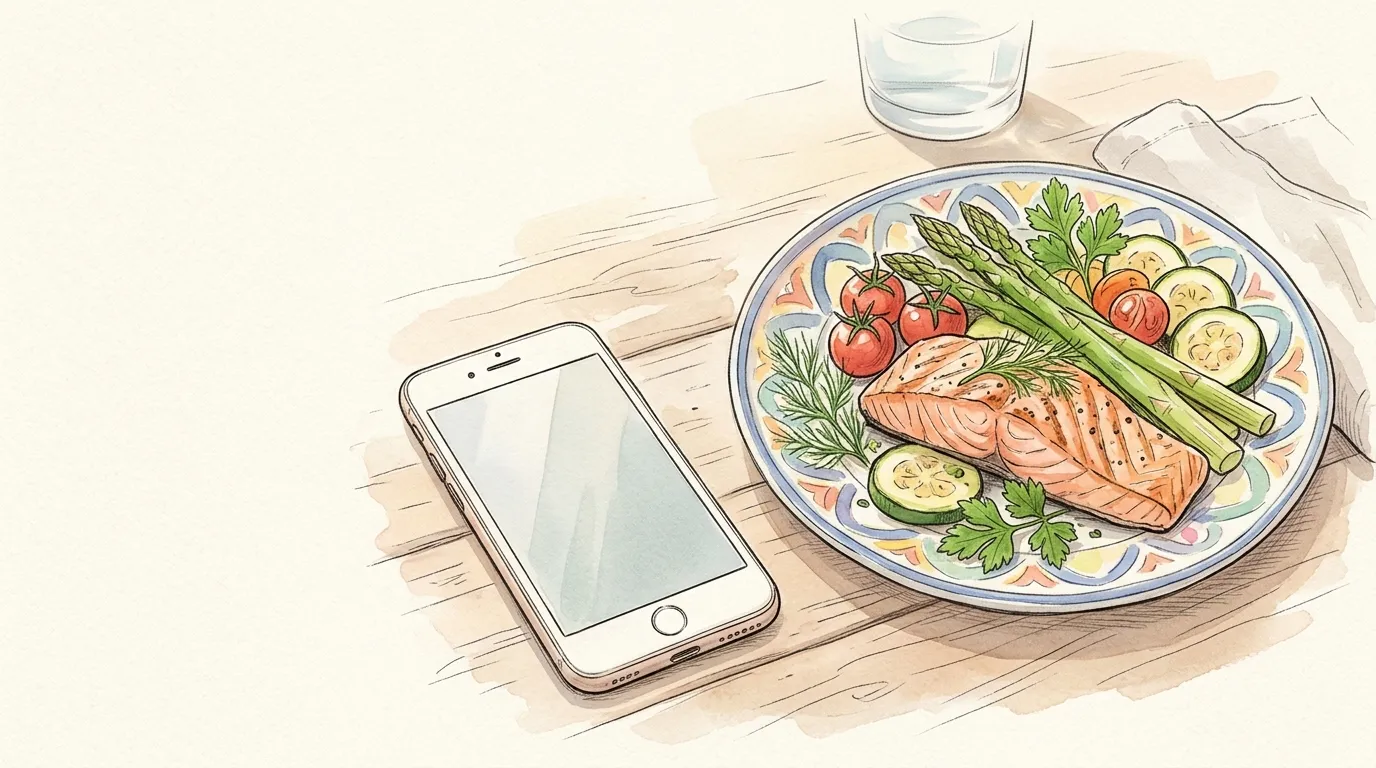
If you want to scan specific foods for purine content before eating them, the GoutSnap AI Food Scanner can analyze a photo of a meal and show you its estimated purine load per serving — useful for restaurant meals where portion size is unpredictable.
For a detailed breakdown of low-purine foods for your diet, the complete food rating guide covers every major food category.
Bottom line: Focus purine restriction on organ meats, shellfish, and large portions of red meat. Plant-based purines are a low priority.
5. Cut Alcohol — Especially Beer
Alcohol raises uric acid through two independent mechanisms: ethanol speeds up purine breakdown and simultaneously impairs renal uric acid excretion. Beer compounds this by contributing dietary purines directly (brewer's yeast is purine-rich).
Large prospective studies have shown that men who drink two or more beers per day have roughly 2.5× the gout risk of non-drinkers (Arthritis & Rheumatism, Beer, Spirits, and Gout Risk, 2004). Wine appears to be significantly less problematic, though it still carries some risk at high quantities.
For patients actively trying to lower uric acid, the target is:
- Beer: minimize or eliminate, especially during flare prevention periods
- Spirits: moderate (<1 drink/day)
- Wine: up to 1–2 glasses/day appears lower risk than beer or spirits, though abstinence is safer
Binge drinking — even a single heavy evening — can trigger a flare within 12–24 hours in someone with elevated baseline uric acid. The mechanism is rapid crystallization following the sharp uric acid spike.
Bottom line: Beer is the highest-risk alcohol for gout. If you're managing active gout or trying to lower uric acid, it's the first to cut.
6. Reach and Maintain a Healthy Weight — But Lose It Slowly
Excess body weight is the strongest modifiable risk factor for hyperuricemia. Adipose tissue both generates purines through cell turnover and impairs the kidney's ability to excrete uric acid. Losing weight consistently reduces uric acid levels.
The caveat: rapid, extreme weight loss — particularly crash dieting or prolonged fasting — can transiently spike uric acid as tissue breaks down rapidly and releases purines. This is one reason people beginning very-low-calorie diets sometimes experience gout flares.
Safe weight loss targets for gout patients:
- Aim for 0.5–1 kg (1–2 lbs) per week
- Avoid ketogenic diets in active gout management — ketones compete with uric acid for renal excretion
- Gradual loss through a moderate calorie deficit is safer than rapid loss
A 10% reduction in body weight typically produces a 0.5–1.5 mg/dL decrease in serum uric acid — meaningful when combined with other strategies.
Bottom line: Gradual weight loss reduces uric acid and long-term flare risk. Rapid fasting or crash dieting can paradoxically trigger flares.
7. Exercise Regularly — With the Right Type and Timing
Exercise reduces insulin resistance, helps maintain healthy weight, and supports kidney function — all of which benefit uric acid management. But the type and timing matter.
Low-impact aerobic exercise is ideal: walking, cycling, swimming, elliptical training. These activities lower uric acid over time and are safe even for people recovering from a recent flare (as long as the acute inflammation has resolved and the joint is not under direct stress).
High-intensity exercise can transiently raise uric acid immediately after a session through accelerated ATP breakdown — this spike is temporary but may trigger a flare in someone whose baseline uric acid is already borderline high. The long-term benefit of regular exercise still outweighs this short-term risk for most people.
During a flare: rest and elevate the affected joint. Exercise on a hot, swollen gout joint prolongs the flare and risks damaging the joint lining. Wait until the acute inflammation fully resolves.
For more detail on exercise timing and safe workouts, see our guide on exercising with gout.
Bottom line: Regular moderate exercise supports uric acid control over time. Avoid strenuous exercise during active flares.
8. Protect Sleep Quality
Gout attacks disproportionately happen at night — typically between 2–4 a.m. The mechanism involves two overlapping factors: core body temperature drops during sleep, lowering joint temperature and making uric acid crystallization more likely; and fluid shifts during recumbency mean that joints in the lower extremities receive less blood flow for uric acid clearance.
Sleep apnea deserves special attention here. Research published in the Annals of the Rheumatic Diseases has shown that obstructive sleep apnea independently raises gout risk — the hypoxia caused by repeated breathing interruptions during sleep stimulates uric acid production. Patients with both conditions who address sleep apnea with CPAP therapy often see improvement in gout control as well.
Practical sleep-related prevention strategies:
- Avoid heavy meals, alcohol, and high-purine foods in the 2–3 hours before sleep
- Keep the bedroom cool (cooler ambient temperature = cooler peripheral joints = reduced crystallization risk)
- If you have symptoms of sleep apnea (snoring, frequent waking, daytime fatigue), get evaluated — treating it may directly reduce your gout frequency
Bottom line: Sleep apnea raises gout risk independently. Address sleep quality as a legitimate component of gout prevention.
9. Review Your Medications With Your Doctor
Several commonly prescribed medications raise uric acid as a documented side effect. If you're managing gout and not reaching uric acid targets, your other prescriptions may be contributing.
| Medication class | Effect on uric acid | Note |
|---|---|---|
| Loop and thiazide diuretics (e.g., furosemide, hydrochlorothiazide) | Increases uric acid | Often used for hypertension — alternatives may be available |
| Low-dose aspirin (≤325 mg/day) | Increases uric acid | High-dose aspirin is uricosuric; cardiovascular benefits usually outweigh gout risk — discuss with doctor |
| Cyclosporine (immunosuppressant) | Markedly increases uric acid | Common in transplant patients |
| Niacin (high-dose) | Increases uric acid | Lower-dose forms are less problematic |
| Beta-blockers | Modestly increases uric acid | Losartan (an ARB) is uricosuric and may be a better choice for hypertension in gout patients |
Do not stop any prescription medication without medical guidance. The goal is a conversation with your prescriber: "Given my gout, are there alternatives to this medication that wouldn't raise my uric acid?"
Notably, losartan (an antihypertensive of the ARB class) has a mild but measurable uricosuric effect — it slightly lowers uric acid — and is sometimes preferred over beta-blockers for hypertension patients who also have gout.
Bottom line: Ask your doctor to review your full medication list for uric acid effects. Switching one medication can sometimes meaningfully lower your baseline.
10. Act Fast at the First Warning Sign of a Flare
Prevention isn't only about stopping flares from starting — it's also about aborting them before they reach full intensity. Many people with gout experience a prodrome: a subtle early warning signal of warmth, tingling, or mild stiffness in a joint 12–24 hours before a full attack develops.
Colchicine taken early (within the first 12 hours of symptom onset) at low doses (1.2 mg followed by 0.6 mg one hour later) has strong evidence for aborting or significantly reducing a developing flare. The same dose taken 24–36 hours in, once full inflammation has established, is less effective.
NSAIDs (ibuprofen, naproxen, indomethacin) in full doses at the first sign of a flare also work well for most patients. The key is speed.
Talk to your rheumatologist in advance about having a supply of colchicine or appropriate NSAIDs on hand specifically for early flare intervention — not waiting until the pain is unbearable, the pharmacy is closed, and you can't walk to the car.
Bottom line: Learning your personal warning signs and acting within the first few hours can shorten a flare from 10 days to 2–3. Prepare in advance.
A Note on Combining Strategies
Each strategy above has an independent, additive effect. No single one is sufficient on its own for most patients. The research consistently shows that combination approaches — medication plus dietary changes plus hydration plus weight management — are far more effective than any single intervention.
A 2023 meta-analysis in Arthritis Care & Research found that patients who combined urate-lowering therapy with structured lifestyle modification had a 65% lower flare rate over 24 months compared to medication alone. The lifestyle component matters. So does the medication. Neither is enough by itself when uric acid is significantly elevated.
In Summary
- Target uric acid below 6.0 mg/dL (below 5.0 mg/dL if you have tophi) — test every 3–6 months
- Take urate-lowering medication (allopurinol or febuxostat) if diet alone can't reach your target — don't stop when you feel better
- Drink 2–3 liters of water daily — dehydration directly raises crystal formation risk
- Reduce organ meats, shellfish, and beer — the highest-purine and highest-risk items
- Limit alcohol — beer most of all; spirits and wine carry lower but still real risk
- Lose weight gradually — aim for 0.5–1 kg/week to avoid triggering flares through rapid tissue breakdown
- Exercise regularly with low-impact cardio — avoid strenuous exercise during active flares
- Protect your sleep — screen for sleep apnea; keep the bedroom cool; avoid heavy meals before bed
- Review your prescriptions — diuretics, low-dose aspirin, and certain blood pressure medications raise uric acid
- Keep early-treatment medication on hand and act at the first warning sign — speed matters
Take Control of Your Uric Acid with a Smarter Gout App
High uric acid is the root cause of gout attacks — and managing it starts with what you eat. GoutSnap is a dedicated gout app that uses AI to analyze your meals in real time, so you always know which foods are raising your uric acid and which are safe.
Snap a photo of your meal and our gout app instantly estimates purine content, flags high-purine foods linked to uric acid spikes, and suggests lower-purine alternatives — no guesswork needed.
Why GoutSnap is the #1 Gout App for Uric Acid Management
- AI Food Scanner - Photo-based purine analysis helps you avoid uric acid-raising foods before they cause a flare
- Uric Acid Diet Tracker - Log meals and monitor daily purine intake to keep uric acid levels in a safe range
- Personalized Advice - The gout app learns your diet patterns and recommends uric acid-friendly swaps tailored to you
- Flare & Trigger Tracking - Connect meals to gout symptoms over time to discover which foods drive your uric acid up
Unlike generic diet apps, GoutSnap is built exclusively for gout — every feature is designed to help you lower uric acid and prevent painful flare-ups.


4.9 on the App Store · 15,000+ downloads · 475+ reviews