Tofu and Soy Products: Are They Safe for Gout? (Research-Backed)
11 Nov 2026
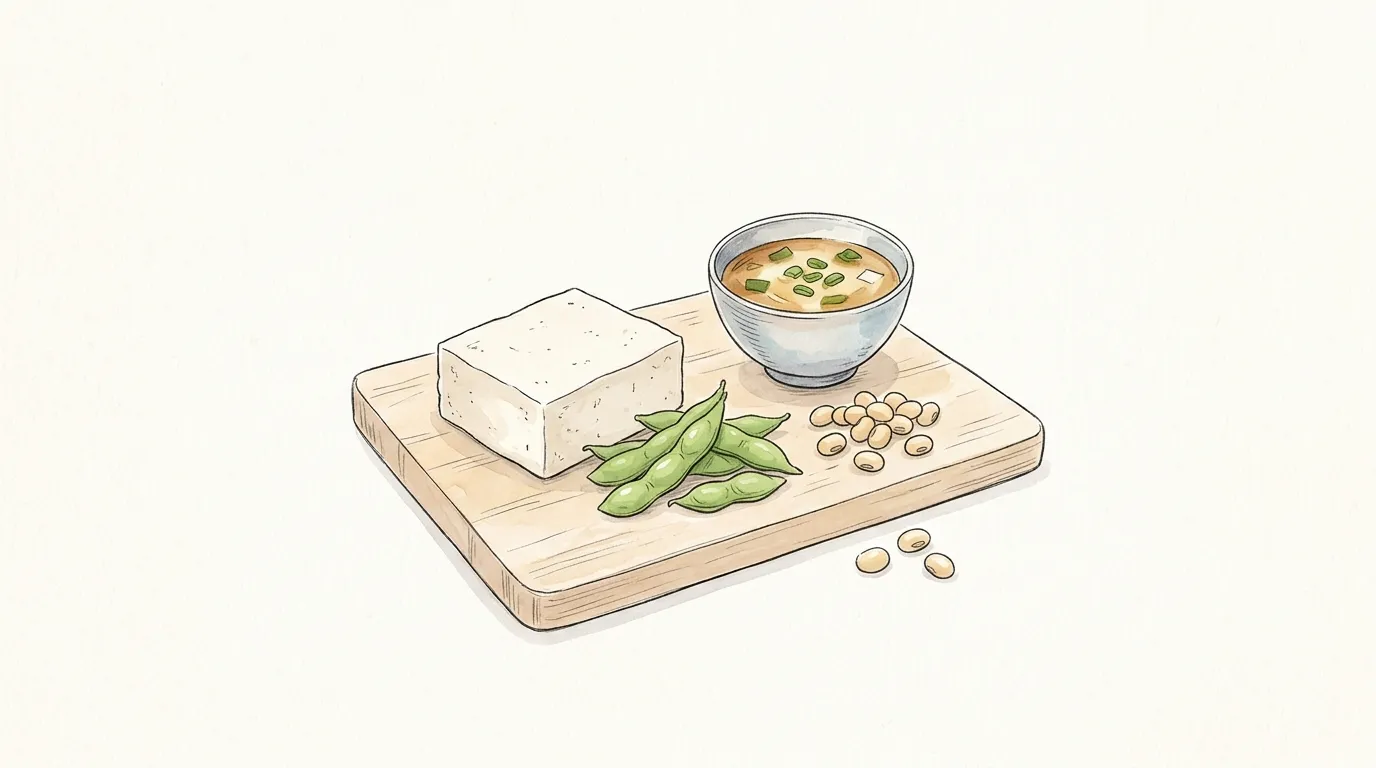
Tofu and most soy products are safe for gout — and the research backs this up clearly. While soy does contain moderate amounts of purines, studies consistently show that plant-based purines raise uric acid far less than purines from meat or seafood, making tofu one of the smarter protein swaps for anyone managing gout.
Except this doesn't mean all soy products are equal. Natto (fermented soybeans) sits in a different risk category than silken tofu. Understanding the differences — backed by numbers — will help you make confident choices at the grocery store and restaurant.
Why Plant Purines Are Different From Meat Purines
The old advice was simple: high purines = bad for gout. So when patients saw that soybeans contain roughly 50–60 mg of purines per 100g, they cut soy out entirely. That was a mistake.
A landmark 2004 study published in the New England Journal of Medicine (Choi et al.) followed 47,150 men over 12 years and found that plant protein consumption — including soy — was not associated with an increased risk of gout. Meat and seafood were the significant contributors. This finding has been confirmed repeatedly since.
The mechanism behind this matters. When you eat animal purines, your gut absorbs them efficiently, and the liver metabolizes them into uric acid rapidly. Plant cell walls, fiber content, and the specific purine compounds found in legumes appear to slow this conversion. Additionally, soy contains isoflavones — specifically genistein and daidzein — that may actually support uric acid excretion through the kidneys, according to animal studies published in Frontiers in Pharmacology (2022).
Bottom line: A purine is not just a purine. Where it comes from matters enormously for gout risk.
Tofu: The Safest Soy Option for Gout
Tofu is made by coagulating soy milk and pressing the curds — a process that removes much of the purine content along with the liquid whey. This makes tofu significantly lower in purines than whole soybeans.
Here's the data:
| Soy Product | Purines (mg/100g) | Risk Level |
|---|---|---|
| Firm tofu | ~30–40 mg | Low |
| Silken tofu | ~20–30 mg | Very low |
| Soy milk (unsweetened) | ~8–12 mg | Very low |
| Edamame (boiled) | ~50–60 mg | Low-moderate |
| Miso paste | ~40–50 mg | Low-moderate |
| Tempeh | ~60–80 mg | Moderate |
| Natto (fermented soybeans) | ~110–130 mg | High |
Sources: USDA FoodData Central; Japan Society for Purine and Pyrimidine Research purine content tables (2024 edition).
Firm and silken tofu fall well within the "low-purine" category. For context, chicken breast contains approximately 150 mg/100g and sardines sit above 480 mg/100g. A 150g serving of tofu provides roughly 45–60 mg of purines — a fraction of what you'd get from meat.
The [link: complete gout diet guide with foods rated by purine level] on this site gives a broader breakdown of foods across all categories.
How to Eat Tofu Without Worrying About a Flare
The key variable isn't just purine content — it's serving size and preparation method. Here are three practical principles:
1. Stick to reasonable portions. A 100–150g serving of tofu (about half a standard block) is a sensible single serving. Research supports that this amount provides meaningful protein without meaningfully raising uric acid.
2. Avoid deep-frying when possible. Fried tofu (aburage, inari) absorbs a lot of oil. While this doesn't directly affect purine content, the caloric load increases and obesity is an independent gout risk factor. Silken tofu in miso soup, pan-seared firm tofu, or cold mapo-style tofu are lower-calorie options.
3. Balance with hydration. Uric acid is excreted through the kidneys — proper hydration supports this process. The NIH recommends at least 2 liters (roughly 68 oz) of water daily for people with gout. If you're eating a soy-based meal, pair it with a full glass of water.
Edamame and Soy Milk: Green Light With Moderation
Edamame — fresh young soybeans — contains more purines than tofu (around 50–60 mg/100g) because it retains the whole bean structure. Still, this is comparable to broccoli or mushrooms, and the same large-scale epidemiological studies that cleared tofu also cleared legumes as a category. A standard edamame snack portion (about 150g in the shell, yielding roughly 75g of beans) is reasonable.
Soy milk is exceptionally low in purines, since the whole-bean residue is filtered out. At approximately 8–12 mg per 100ml, an entire glass provides fewer purines than a small handful of almonds. It's a practical dairy alternative for someone with gout who is also managing cholesterol or lactose intolerance.
Bottom line: Both are safe in typical portion sizes. Eating a cup of edamame and a glass of soy milk at the same meal is still well below any clinically meaningful purine threshold.
Tempeh: A Moderate Option Worth Knowing
Tempeh is fermented whole soybeans, pressed into a dense block. Because it retains the full bean, its purine content is higher than tofu — roughly 60–80 mg/100g.
However, tempeh offers substantial benefits that make it worth considering: it's one of the highest-protein plant foods (about 20g per 100g), and the fermentation process creates B vitamins and probiotics that support gut health. Emerging research on the [link: gut microbiome and gout] suggests that gut bacteria composition may influence uric acid metabolism.
For gout management, the practical approach with tempeh is portion control — keep servings to 100g and avoid eating it daily alongside other moderate-purine foods. On days when you're already eating fish or meat, skip the tempeh.
Natto: The One Soy Product to Limit
Natto — sticky fermented soybeans popular in Japan — is the exception in the soy family. With approximately 110–130 mg of purines per 100g, it sits in the same category as moderate-risk meats and significantly above the other soy products covered here.
The fermentation process that creates natto's characteristic texture and strong flavor concentrates the purine content. If you enjoy natto and want to continue eating it, keeping portions under 50g (a half-serving) on no more than a few days per week is a reasonable compromise.
Soy Sauce and Miso: What About Condiments?
Both soy sauce and miso are fermented soy products used in small amounts as flavoring.
Soy sauce is typically used in teaspoon-level quantities (5–15ml per dish). At this amount, the purine contribution is negligible — roughly 2–5 mg per tablespoon. Sodium is a bigger concern with soy sauce; high sodium intake is linked to hypertension, which shares many risk factors with gout. Low-sodium soy sauce is a reasonable swap.
Miso paste contains approximately 40–50 mg/100g, but typical usage in a bowl of miso soup is 10–15g. That works out to roughly 5–8 mg of purines per bowl — entirely inconsequential. Miso soup also contributes to hydration, which is beneficial.
Soy Isoflavones: A Potential Benefit for Uric Acid?
This is an emerging area of research worth noting. Soy isoflavones — particularly genistein — have shown uricosuric properties (the ability to increase uric acid excretion in the urine) in several preclinical studies. A 2022 review in Nutrients found that dietary isoflavone intake was associated with modest reductions in serum uric acid levels in human observational studies.
This isn't strong enough evidence to recommend soy as a gout treatment, but it supports the idea that tofu and soy milk may be a genuinely neutral-to-beneficial protein choice — not simply a food that "isn't harmful."
Putting It Together: A Practical Soy Guide for Gout
If you've been avoiding all soy because of gout, consider reintroducing it. Here's a quick reference:
Green light (eat freely in normal portions):
- Silken and firm tofu
- Soy milk (unsweetened)
- Miso soup (regular serving)
- Soy sauce (as a condiment)
Yellow light (moderate — a few times per week in sensible portions):
- Edamame (100–150g serving)
- Tempeh (up to 100g per serving)
- Miso paste used as a marinade
Limit:
- Natto (keep under 50g; not daily)
For anyone scanning packaged food labels: "soy protein isolate" in protein bars and supplements is quite low in purines, as the extraction process removes most of the purine-containing compounds.
If you're managing multiple dietary restrictions — gout alongside diabetes, kidney disease, or cardiovascular risk — a registered dietitian familiar with gout can help build a soy-inclusive eating plan tailored to your situation. GoutSnap's AI Food Scanner can quickly assess whether a soy-containing dish fits within your daily purine targets by analyzing the full meal rather than a single ingredient.
In Summary
- Tofu and most soy products are low in purines and research-backed as safe for gout.
- Plant purines — unlike animal purines — do not significantly raise uric acid or gout risk (Choi et al., NEJM 2004).
- Silken tofu (~20–30 mg/100g) and soy milk (~10 mg/100ml) are the safest options.
- Edamame and tempeh are moderate — fine in sensible portions, not daily.
- Natto is the outlier: ~110–130 mg/100g, limit portions.
- Soy condiments (miso soup, soy sauce) in typical amounts are inconsequential from a purine standpoint.
- Emerging research suggests soy isoflavones may modestly support uric acid excretion — a potential added benefit.
- When building a gout-friendly diet, replacing meat protein with tofu several times per week is one of the more evidence-backed dietary strategies available.
Take Control of Your Uric Acid with a Smarter Gout App
High uric acid is the root cause of gout attacks — and managing it starts with what you eat. GoutSnap is a dedicated gout app that uses AI to analyze your meals in real time, so you always know which foods are raising your uric acid and which are safe.
Snap a photo of your meal and our gout app instantly estimates purine content, flags high-purine foods linked to uric acid spikes, and suggests lower-purine alternatives — no guesswork needed.
Why GoutSnap is the #1 Gout App for Uric Acid Management
- AI Food Scanner - Photo-based purine analysis helps you avoid uric acid-raising foods before they cause a flare
- Uric Acid Diet Tracker - Log meals and monitor daily purine intake to keep uric acid levels in a safe range
- Personalized Advice - The gout app learns your diet patterns and recommends uric acid-friendly swaps tailored to you
- Flare & Trigger Tracking - Connect meals to gout symptoms over time to discover which foods drive your uric acid up
Unlike generic diet apps, GoutSnap is built exclusively for gout — every feature is designed to help you lower uric acid and prevent painful flare-ups.


4.9 on the App Store · 15,000+ downloads · 475+ reviews