Surviving the Holiday Season with Gout: Food & Drink Guide
23 Nov 2026
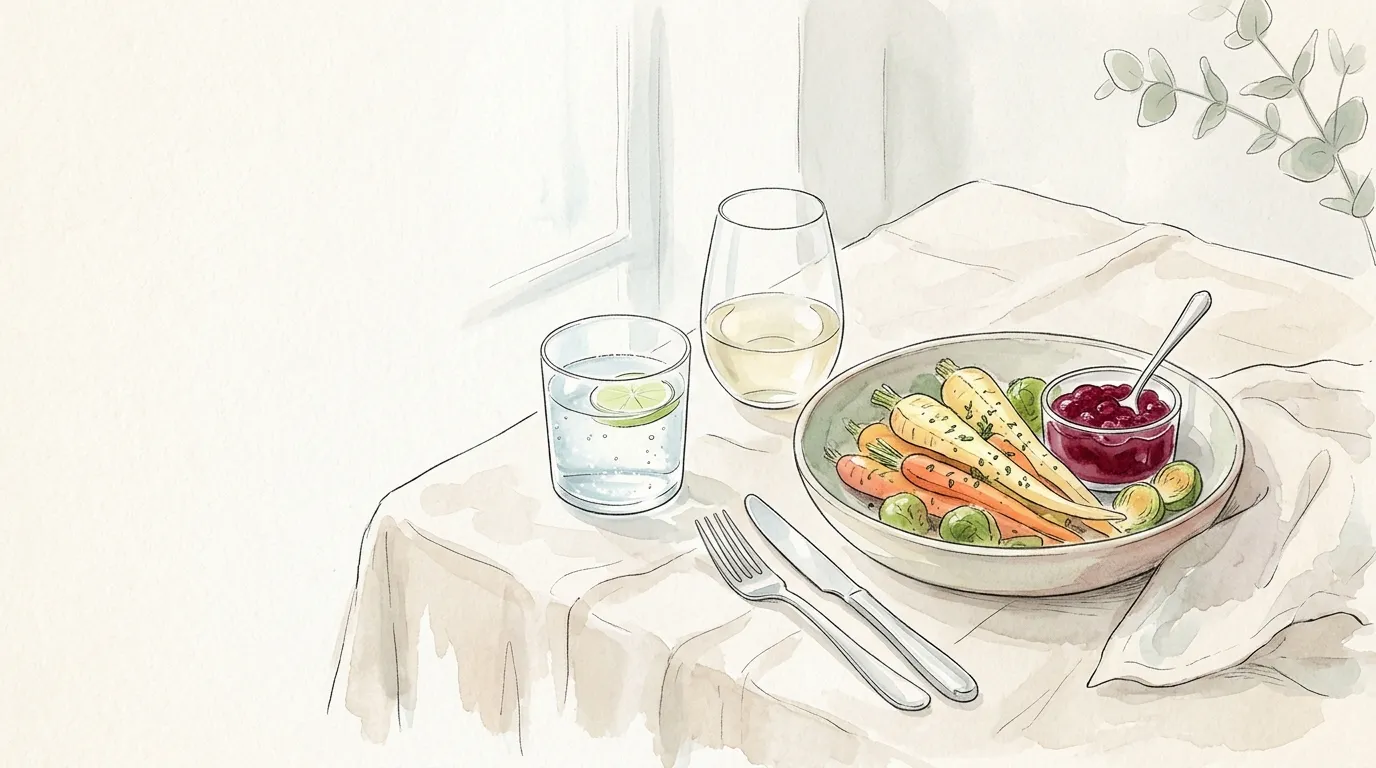
The holidays are the highest-risk season for gout flares — and with the right game plan, you can enjoy every celebration without ending up in bed on Christmas morning. The combination of rich foods, alcohol, and irregular eating schedules creates a perfect storm for uric acid spikes, but that storm is entirely avoidable.
Most people assume a holiday flare is just the price of enjoying good food with family. It isn't. Research published in Arthritis & Rheumatology found that gout attacks are significantly more likely to occur in the 24 hours following a heavy meal rich in purines and alcohol — but only if you don't actively manage your choices. That's the key word: manage, not abstain.
Why Holidays Are Peak Flare Season
Three things happen during the holiday season that drive uric acid (urate) through the roof.
First, the food. Thanksgiving and Christmas menus are built around high-purine proteins: turkey (especially dark meat and organ stuffing), gravy, shellfish appetizers, cured meats, and rich game dishes. A single serving of turkey liver pâté (100g) contains over 300mg of purines — well above the daily 400mg ceiling recommended for people with gout.
Second, the alcohol. Beer, wine, and spirits all raise uric acid, though beer is the worst offender due to its guanosine content (a nucleotide that metabolizes directly to urate). A study in The Lancet found that each additional beer consumed per day raises gout risk by 49%. Champagne on New Year's Eve? Every glass counts.
Third, the dehydration. Busy schedules, heated indoor environments, more alcohol — all of it pushes you toward the dehydrated state where uric acid crystallizes most easily. Kidneys excrete urate in urine. When you're not drinking enough water, that process slows down, and crystals accumulate in your joints.
Bottom line: it's the combination of all three that tips people over the edge. Remove any one of them and you dramatically reduce your risk.
The Holiday Purine Danger Zones (And What to Eat Instead)
Not all holiday foods are equally risky. Here's a quick reference guide, organized by purine content per 100g serving, based on USDA and clinical nutrition data:
| Food | Purines (mg/100g) | Risk Level | Better Alternative |
|---|---|---|---|
| Turkey liver / giblet gravy | 300–500 | Very High | Turkey breast (white meat) |
| Shrimp cocktail | 150–160 | High | Vegetable crudités with hummus |
| Beef tenderloin | 110–120 | Moderate-High | Pork loin (88mg) in small portions |
| Canned sardine appetizers | 345–480 | Very High | Smoked salmon in moderation (63mg) |
| Beer (12 oz) | N/A | Very High (guanosine) | Sparkling water, dry wine in small amounts |
| Turkey breast (white, 100g) | 75–100 | Moderate | Safe as a main protein |
| Mashed potatoes | <10 | Low | A safe side dish |
| Cranberry sauce (no sugar added) | <10 | Low | Anti-inflammatory bonus |
| Roasted vegetables | <15 | Very Low | Fill your plate here |
| Cheese (hard varieties) | <15 | Very Low | Good protein source |
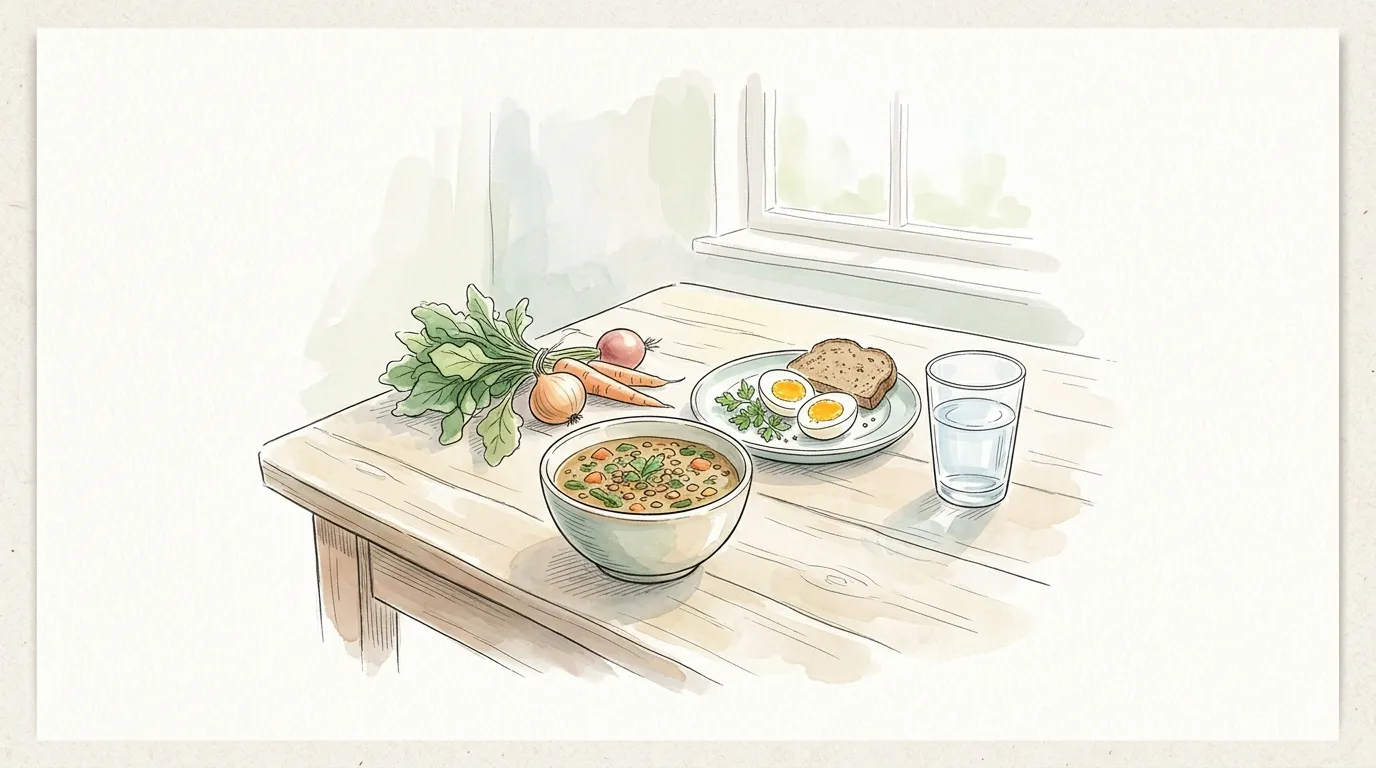
The strategy isn't to avoid the table — it's to build your plate strategically. White turkey meat, roasted vegetables, potatoes, bread, and dairy are all low in purines. The danger is in the gravy, stuffing (often made with organ meat), and appetizer boards stacked with seafood and cured meats.
Bottom line: anchor your plate with low-purine items, treat the high-purine dishes as small tastes rather than servings, and you stay well within safe limits.
How to Navigate Alcohol at Holiday Parties
You don't have to drink nothing — but you do need to be smart about it.
Beer is the biggest trigger, full stop. Even one to two beers in an evening creates a measurable spike in serum urate within two hours, according to a study in Arthritis & Rheumatology (Zhang et al., 2006). Spirits like whiskey and vodka are less problematic if consumed in small quantities without sugary mixers, but they still impair kidney urate excretion.
Dry wine — particularly white wine — is the least harmful alcoholic option for gout, though it's not risk-free. A small glass (150ml) of dry white or rosé wine is associated with a lower risk compared to beer or spirits of the same alcohol volume.
Practical rules for holiday drinking:
- Skip beer entirely or limit yourself to one (genuinely one, not "one that becomes three").
- If drinking wine, choose dry white or dry rosé over red. Red wine contains more tannins that can interfere with urate excretion.
- Avoid champagne cocktails mixed with orange juice or sweeteners — fructose from sugar and juice independently raises uric acid by increasing ATP breakdown.
- Match every alcoholic drink with a full glass of water. Hydration is your most reliable defense.
- Avoid drinking on an empty stomach, which accelerates alcohol absorption and magnifies its urate-raising effect.
Bottom line: one or two glasses of dry wine, alternated with water, is a reasonable compromise. Beer — even craft beer — is the worst choice you can make on a night when you're also eating rich food.
Fructose: The Hidden Holiday Threat
Most people focus on purines and alcohol, but fructose is the overlooked trigger that catches people off guard during the holidays.
Fructose raises uric acid by accelerating the breakdown of adenosine triphosphate (ATP) in cells — the body's energy currency. This generates extra purines that convert to urate, independent of anything you eat. The NIH has identified fructose consumption as one of the most significant dietary contributors to hyperuricemia (high uric acid) in modern populations.
Where does fructose hide at holiday gatherings?
- Cranberry sauce made with corn syrup or lots of added sugar
- Glazed hams and candied yams (high-fructose corn syrup glazes)
- Pies and cakes (especially those with corn syrup fillings)
- Festive punch bowls and holiday cocktail mixes
- Soda, fruit juices, and sweetened cider
You don't need to skip dessert. A moderate slice of pie once is fine. The problem is when you combine a high-sugar dessert with alcohol and purine-rich appetizers in the same sitting. That's when the cumulative load exceeds your kidneys' ability to clear urate fast enough.
For [link: more on how fructose affects uric acid], the science is clear: cutting liquid sugar is as important as cutting organ meats.
The 7-Day Holiday Survival Strategy
A holiday isn't a single meal — it's a week or more of changed eating patterns, travel stress, missed medications, and poor sleep. Here's how to approach the full period.
Three days before a big holiday meal:
- Increase your water intake to at least 2.5–3 liters per day. This pre-loads your kidneys and keeps urate flowing out.
- Reduce or eliminate alcohol for two to three days before the event. Your baseline urate level drops significantly within 48–72 hours of avoiding alcohol.
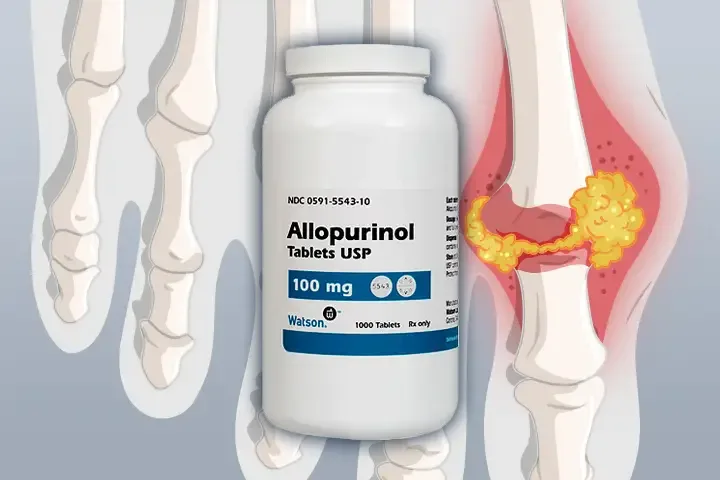
- Take your uric acid medication (allopurinol, febuxostat) as prescribed. Never skip it in advance of a "big eating day" — this is a common mistake that causes crashes.
Day of the event:
- Eat a low-purine breakfast and lunch before the holiday meal so you're not arriving ravenous.
- Drink a full glass of water before every alcoholic drink.
- Build your plate in a 2:1 ratio — twice as much low-purine food (vegetables, starches, dairy) as high-purine items.
- Stay seated and eat slowly. Rushed eating leads to larger portions of everything.
Day after:
- Get back to your normal hydration immediately.
- If you feel early signs of a flare (warmth, stiffness, mild achiness in a joint), increase water intake, rest the joint, and contact your doctor if symptoms worsen within 12–24 hours.
- Don't try to "fast" to compensate — sudden caloric restriction actually spikes uric acid as cell breakdown accelerates.
Eating Well at Someone Else's Holiday Table
This is where many people feel stuck. You're a guest. You can't control the menu. Here's how to handle it graciously.
Survey before you serve. Look at the spread before filling your plate. Identify your safe foods first (usually vegetables, potatoes, bread, cheese, plain rice or pasta sides, fruit desserts) and build from there.
Take small servings of risky items. A tablespoon of gravy and one small spoonful of stuffing lets you participate in the meal without taking a full dose of purines. Participation is about presence, not portion size.
Bring a dish. Offering to bring a low-purine dish — roasted vegetables, a fresh salad, a fruit platter — gives you a guaranteed safe option and is always welcomed by hosts.
Don't explain yourself. You don't owe anyone a medical disclosure. "I'm watching what I eat right now" or "just small portions for me tonight" closes any conversation politely.
Decline beer without awkwardness. "I'm sticking with water and wine tonight" or simply asking for sparkling water works perfectly at any gathering.
[Link: managing gout at social events] doesn't mean being the person everyone notices isn't eating. It means being the person who ate smart, enjoyed the evening, and didn't wake up in pain the next day.
Travel and Medication Management
If the holidays involve travel, medication management becomes critical. Gout doesn't take a break because you're at an airport.
- Pack your medications in your carry-on, not checked luggage.
- Bring at least a seven-day buffer of your uric acid medication in case of delays.
- If you're prescribed colchicine or an NSAID for flare rescue, keep one dose accessible at all times during travel.
- Airplane travel is dehydrating — drink water before, during, and after the flight. Avoid airline cocktails and limit coffee.
- Time zone changes don't affect uric acid biology, but schedule disruption, reduced sleep, and irregular meals do. Try to maintain your medication timing even if it shifts by an hour.
What to Do If a Flare Starts Anyway
Even with the best preparation, a flare can still begin. The earlier you catch it, the faster you can stop it.
The classic warning signs are warmth, mild swelling, or unusual stiffness — usually in the big toe, ankle, or knee — that starts within 12–24 hours of a high-purine meal or drinking session. This is the window where intervention works best.
If a flare begins:
- Start your prescribed rescue medication immediately (colchicine or an NSAID like indomethacin) — don't wait to see if it gets worse.
- Elevate the affected joint above heart level.
- Apply a cold pack wrapped in a cloth for 20 minutes at a time.
- Drink at least 2–3 liters of water over the next 24 hours.
- Rest the joint — no walking on a flaring foot.
Do not apply heat. Do not massage the joint. Do not soak in a hot bath — warmth accelerates crystal deposition.
The GoutSnap flare tracker is designed exactly for moments like this — logging when a flare started, what you ate beforehand, and how it resolved helps you identify your personal trigger pattern over multiple holiday seasons.
In Summary
- Holidays are the highest-risk period for gout flares due to the triple combination of high-purine foods, alcohol, and dehydration.
- Turkey dark meat, organ stuffings, shellfish appetizers, and beer are the most dangerous holiday foods and drinks.
- Turkey breast, roasted vegetables, potatoes, cheese, and dry wine in small amounts are the safest choices at a holiday table.
- Fructose from sugary glazes, punch, and desserts raises uric acid independently — watch hidden sugar sources.
- Increase hydration in the three days before a big holiday meal; never skip uric acid medication.
- When eating as a guest, survey the spread first, take small portions of risky items, and bring a low-purine dish to share.
- Travel with your medications in your carry-on and maintain your dosing schedule across time zones.
- If a flare starts, begin your rescue medication immediately — don't wait.
- One or two glasses of dry white wine alternated with water is far safer than any amount of beer.
- Preparation and portion control — not abstinence — are what let you enjoy the holidays without a flare.
Take Control of Your Uric Acid with a Smarter Gout App
High uric acid is the root cause of gout attacks — and managing it starts with what you eat. GoutSnap is a dedicated gout app that uses AI to analyze your meals in real time, so you always know which foods are raising your uric acid and which are safe.
Snap a photo of your meal and our gout app instantly estimates purine content, flags high-purine foods linked to uric acid spikes, and suggests lower-purine alternatives — no guesswork needed.
Why GoutSnap is the #1 Gout App for Uric Acid Management
- AI Food Scanner - Photo-based purine analysis helps you avoid uric acid-raising foods before they cause a flare
- Uric Acid Diet Tracker - Log meals and monitor daily purine intake to keep uric acid levels in a safe range
- Personalized Advice - The gout app learns your diet patterns and recommends uric acid-friendly swaps tailored to you
- Flare & Trigger Tracking - Connect meals to gout symptoms over time to discover which foods drive your uric acid up
Unlike generic diet apps, GoutSnap is built exclusively for gout — every feature is designed to help you lower uric acid and prevent painful flare-ups.


4.9 on the App Store · 15,000+ downloads · 475+ reviews