Gout and High Blood Pressure: What's the Link?
18 Nov 2026
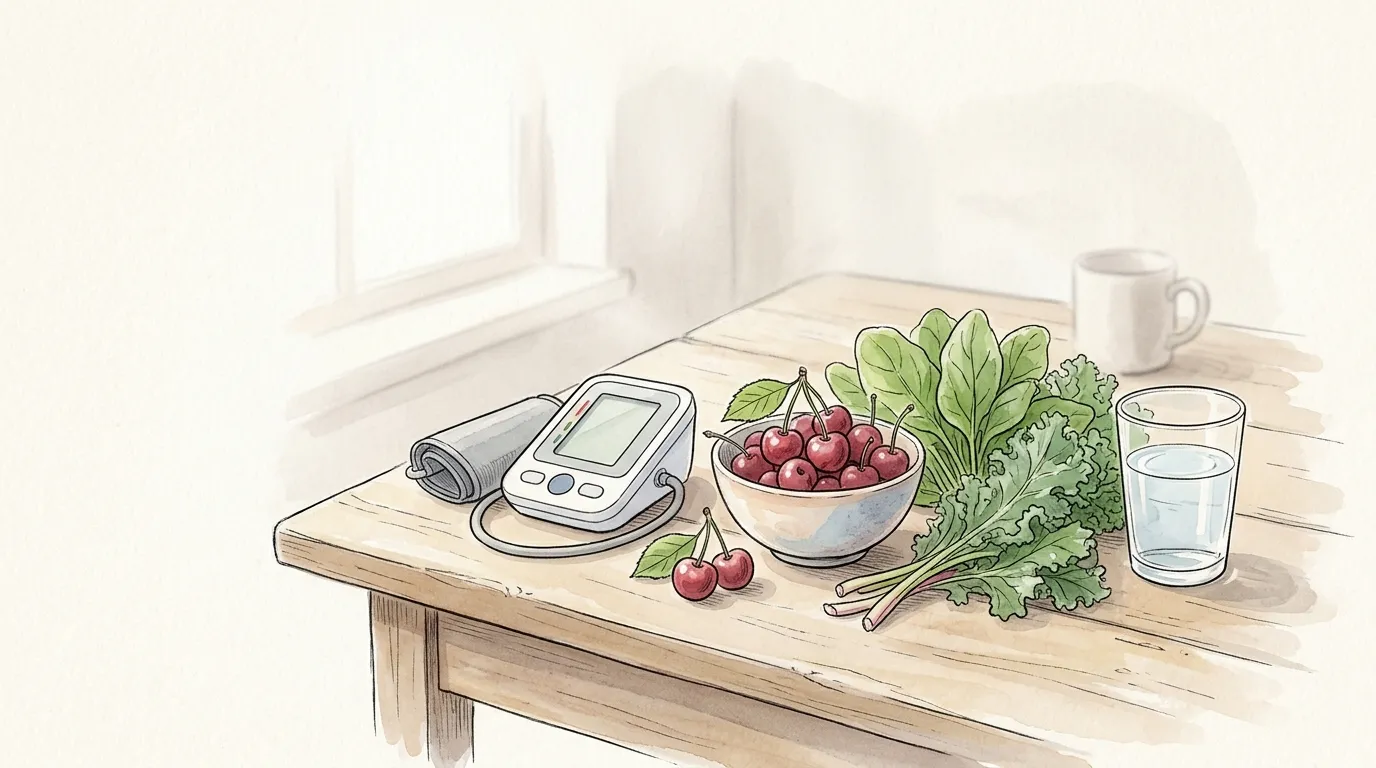
If you have gout, there's a better-than-even chance your doctor has also mentioned your blood pressure. That's not a coincidence. Gout and hypertension are linked at the biochemical level — each one can worsen the other, and the medications used to treat high blood pressure can directly trigger gout flares.
Understanding this connection could change how you and your doctor manage both conditions. Here's the evidence.
How Common Is This Combination?
Hypertension is the single most common comorbidity in people with gout. Studies published in Arthritis & Rheumatology and cited by the American College of Rheumatology (ACR) consistently show that 70–74% of gout patients also have high blood pressure — far higher than the general population rate of around 46% (American Heart Association, 2023).
That overlap isn't random. It reflects a shared biological mechanism that ties uric acid metabolism directly to cardiovascular function.
The Mechanism: How Uric Acid Raises Blood Pressure
High uric acid — the same substance that forms crystals in your joints during a gout flare — doesn't just sit idle between attacks. It actively harms your blood vessels.
Here's what happens at the cellular level:
- Uric acid inhibits nitric oxide production. Nitric oxide relaxes the walls of blood vessels (a process called vasodilation). When uric acid suppresses it, vessels constrict, raising pressure.
- Uric acid activates the renin-angiotensin-aldosterone system (RAAS). This hormonal system regulates blood pressure. Uric acid triggers RAAS, promoting sodium retention and arterial stiffness — both raise blood pressure.
- Uric acid promotes oxidative stress and inflammation. Chronic low-level inflammation from elevated uric acid damages the endothelium (the inner lining of blood vessels), contributing to hypertension over years.
A landmark NIH-funded study in Current Hypertension Reports found that for every 1 mg/dL increase in serum uric acid, systolic blood pressure rises by approximately 2.0–3.3 mmHg in young adults. That's not trivial — consistently elevated uric acid is a meaningful, modifiable driver of blood pressure, not just a bystander.
Bottom line: Lowering your uric acid doesn't just protect your joints. It may protect your heart and arteries too.
The Vicious Cycle: How Hypertension Worsens Gout
The relationship runs both ways. High blood pressure itself — and the medications used to treat it — can raise your uric acid levels and trigger flares.
Kidney impact. Hypertension damages the small blood vessels in your kidneys over time. Because kidneys are responsible for excreting 70% of your body's uric acid, reduced kidney function means less uric acid gets cleared — and serum levels rise.
Reduced blood flow. High blood pressure impairs circulation to peripheral joints. This creates a low-oxygen environment in areas like the big toe, where cooler temperatures already promote urate crystal formation. Poor circulation makes it worse.
Shared triggers. Obesity, insulin resistance, dehydration, and alcohol use all increase both blood pressure and uric acid simultaneously — creating a convergent storm.
Blood Pressure Medications and Uric Acid: A Critical Chart
This is where the connection gets practically urgent. Some of the most commonly prescribed antihypertensives significantly raise uric acid levels. Others are neutral — or even mildly beneficial.
| Blood Pressure Medication Class | Effect on Uric Acid | Notes |
|---|---|---|
| Thiazide diuretics (hydrochlorothiazide, chlorthalidone) | ↑ Raises significantly | Reduces kidney uric acid excretion; a leading drug trigger of gout |
| Loop diuretics (furosemide) | ↑ Raises significantly | Used in heart failure; competes with uric acid for renal excretion |
| Beta-blockers (metoprolol, atenolol) | ↑ Raises modestly | Reduces kidney blood flow; mild uric acid increase |
| ACE inhibitors (lisinopril, ramipril) | → Neutral | Generally safe for gout patients |
| Calcium channel blockers (amlodipine, nifedipine) | → Neutral to ↓ slight decrease | Generally safe; amlodipine may modestly lower uric acid |
| ARBs — losartan specifically | ↓ Lowers uric acid | Losartan has a mild uricosuric (uric acid-lowering) effect; preferred in gout + hypertension |
| Other ARBs (valsartan, irbesartan) | → Neutral | No significant uric acid effect |
Data compiled from ACR 2020 Gout Management Guidelines and Journal of Clinical Hypertension (2021).
The takeaway for patients: If you're on a thiazide diuretic and experiencing more frequent gout flares, the medication itself may be contributing. Talk to your doctor — switching to losartan or a calcium channel blocker is often possible and may reduce flare frequency without sacrificing blood pressure control.
Why Losartan Deserves Special Attention
Of all antihypertensive drugs, losartan (brand name Cozaar) is uniquely gout-friendly. It's the only ARB with a proven uricosuric effect — meaning it actively helps your kidneys excrete uric acid rather than reabsorbing it.
A randomized controlled trial published in Hypertension found that losartan reduced serum uric acid by approximately 0.6–0.9 mg/dL compared to atenolol over 9 weeks, while achieving equivalent blood pressure control. For gout patients who are also hypertensive, this dual benefit makes losartan a logical first choice.
This doesn't mean you should ask for losartan specifically without medical guidance — dosing and tolerability are individual — but it's worth raising with your prescribing doctor, especially if you're currently on a thiazide diuretic and your flares are frequent.
Managing Both Conditions: The Lifestyle Overlap
Here's the encouraging part: most lifestyle changes that lower blood pressure also lower uric acid. You don't need separate strategies for two conditions.
Weight Loss
Every 5 kg (11 lbs) of weight loss is associated with a ~1 mg/dL drop in serum uric acid, according to data from the Nurses' Health Study. Excess adipose tissue produces uric acid as a metabolic byproduct. It also generates inflammatory signals that raise blood pressure. Losing weight addresses both simultaneously.
The DASH Diet
The Dietary Approaches to Stop Hypertension (DASH) diet was originally developed for blood pressure control — but it also meaningfully lowers uric acid. A clinical trial in Arthritis & Rheumatology (2017) found that DASH adherents achieved a 0.35 mg/dL reduction in serum uric acid compared to a typical Western diet over 30 days.
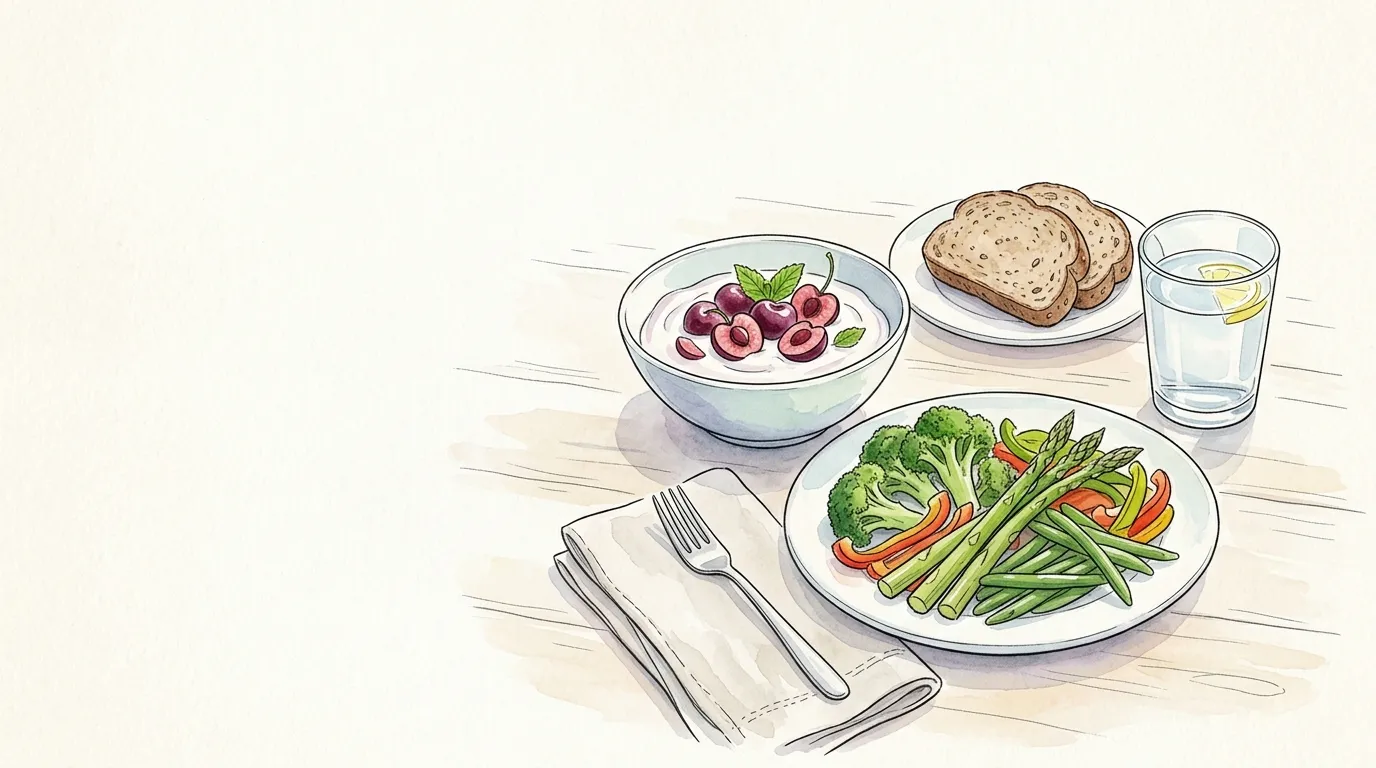
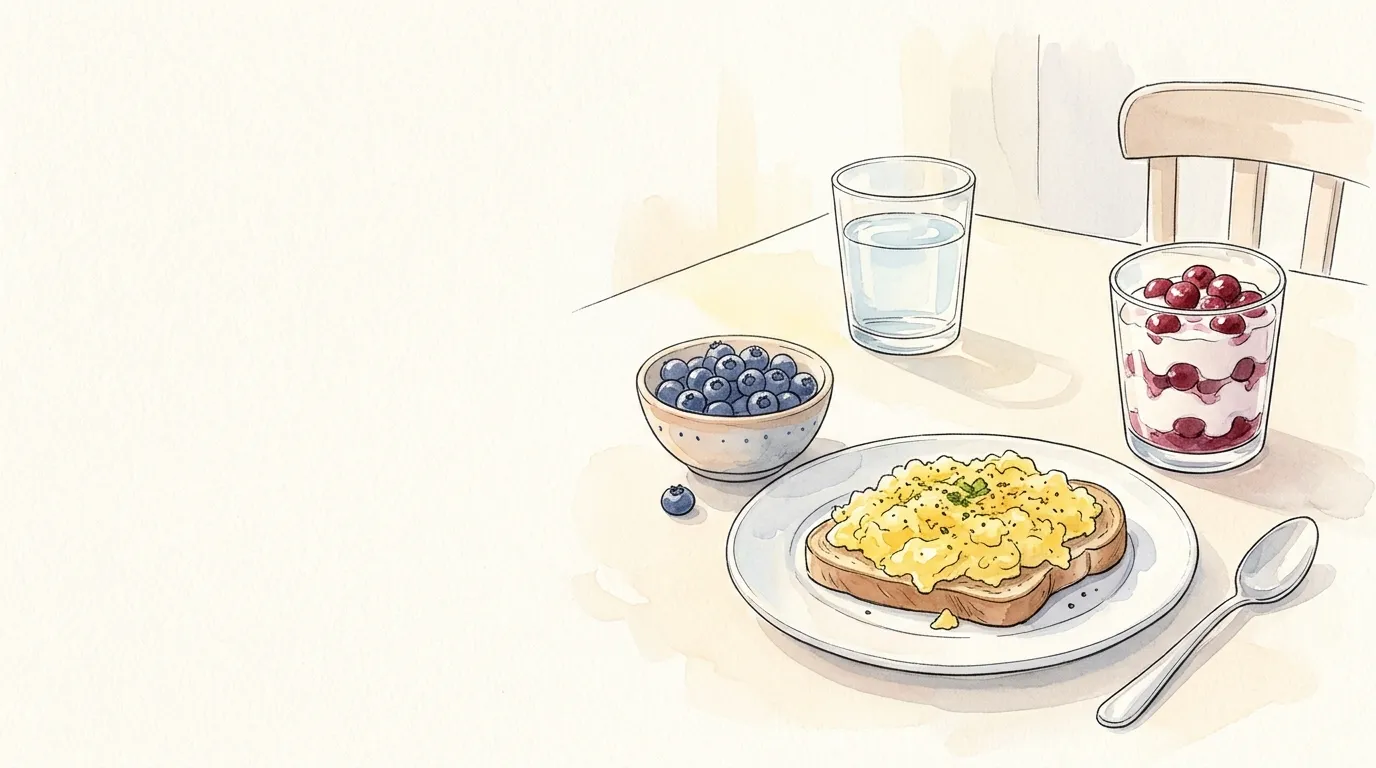
The DASH diet's emphasis on vegetables, fruits, low-fat dairy, and whole grains, combined with limits on red meat, alcohol, and sodium, aligns almost perfectly with gout dietary principles. It's arguably the best evidence-based diet for managing both conditions together. For [link: low-purine foods guide], this matters: DASH-compatible foods are largely low-purine.
Hydration
Drinking enough water serves a dual purpose: it helps flush uric acid through the kidneys and supports blood pressure regulation by maintaining blood volume. Aim for 2–3 liters per day, more in hot weather or after exercise.
Exercise
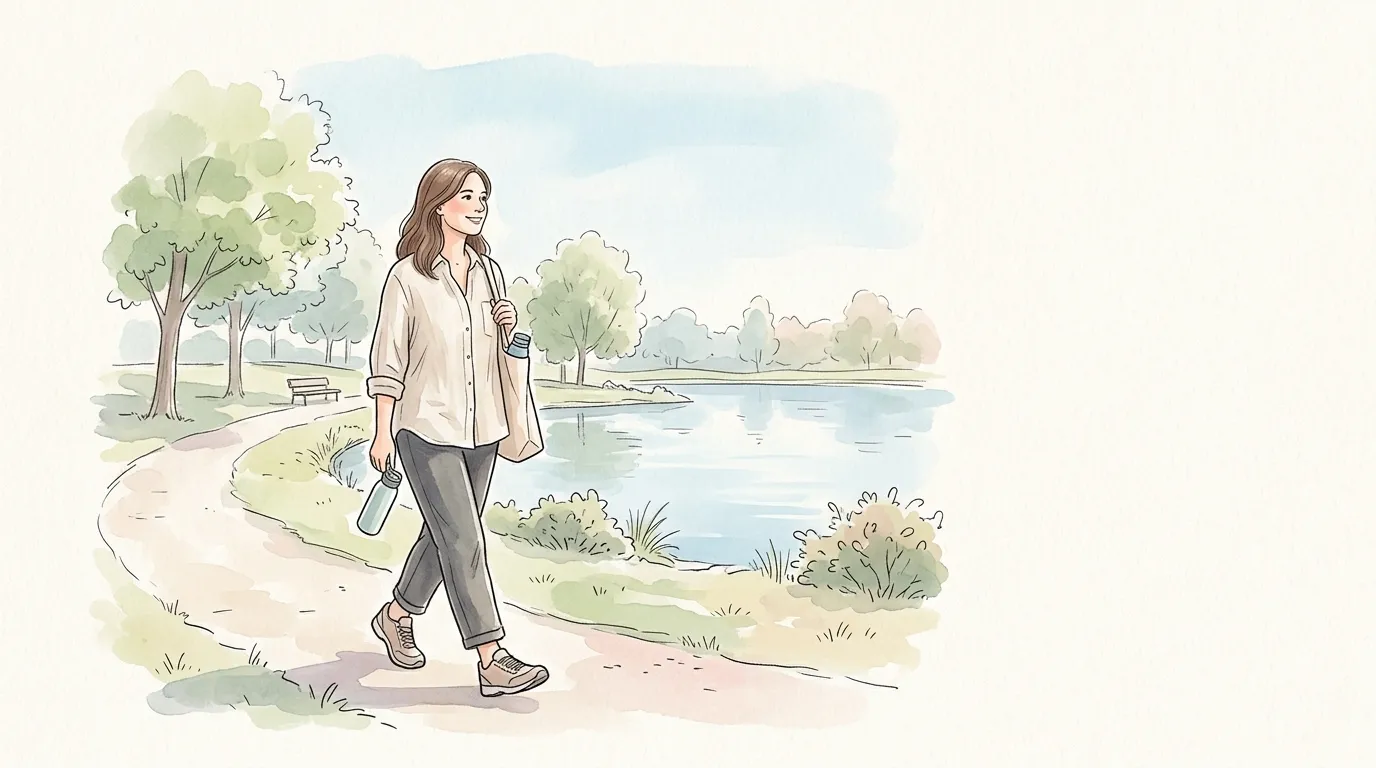
Regular moderate exercise — 30 minutes most days — reduces blood pressure by an average of 5–8 mmHg (American Heart Association meta-analysis). It also supports weight management and insulin sensitivity, indirectly lowering uric acid. During a gout flare, rest the affected joint, but return to movement as soon as it subsides. For specific workout guidance, see [link: exercise with gout guide].
Alcohol and Fructose
Both spike uric acid and contribute to hypertension. Alcohol raises blood pressure through multiple mechanisms and also inhibits renal uric acid excretion. High-fructose corn syrup drives hepatic uric acid synthesis — a significant issue given how much processed food contains it. Limiting both produces measurable benefits on both conditions within weeks.
Sodium
Excess sodium raises blood pressure by promoting fluid retention. It also impairs kidney function at high levels, indirectly affecting uric acid clearance. The ACR and American Heart Association both recommend keeping sodium below 2,300 mg per day, with 1,500 mg as a stricter target for people with established hypertension.
What to Tell Your Doctor
If you have both gout and high blood pressure, it's worth having an explicit conversation with your doctor about optimizing treatment for both. Bring these specific questions:
- "Am I on any blood pressure medications that could be raising my uric acid?"
- "Would losartan be appropriate for me, given both conditions?"
- "Are my current uric acid levels and blood pressure targets being treated aggressively enough?"
- "Should I see a rheumatologist and a cardiologist together, or will one specialist cover both?"
Combined management isn't just nice to have — it matters for long-term outcomes. People with poorly controlled gout and hypertension face significantly elevated risks of chronic kidney disease, cardiovascular events, and joint damage compared to those with either condition managed in isolation.
The Uric Acid Target in This Context
For most gout patients, the ACR recommends a serum uric acid target of below 6.0 mg/dL. For patients with tophi (visible urate deposits), the target is stricter: below 5.0 mg/dL. When hypertension is also present and kidney function is declining, hitting these targets becomes even more urgent — not just for joint protection, but to slow the progression of kidney disease that hypertension accelerates.
Urate-lowering therapy (allopurinol, febuxostat) is not currently prescribed to treat blood pressure, but reducing uric acid may provide modest ancillary cardiovascular benefits. Some researchers argue this connection is strong enough to revisit prescribing guidelines; for now, treat it as an additional reason to take your gout medication seriously.
In Summary
- Gout and hypertension co-occur in 70–74% of gout patients — far above chance.
- Uric acid raises blood pressure by inhibiting nitric oxide, activating the RAAS system, and promoting vascular inflammation.
- Hypertension worsens gout by damaging kidneys (reducing uric acid excretion) and impairing circulation to affected joints.
- Thiazide and loop diuretics significantly raise uric acid; beta-blockers raise it modestly.
- Losartan is the only antihypertensive that actively lowers uric acid — a logical first choice for gout + hypertension.
- ACE inhibitors and calcium channel blockers are neutral and generally safe for gout patients.
- DASH diet, weight loss, hydration, and exercise improve both conditions simultaneously.
- Keep serum uric acid below 6.0 mg/dL (or 5.0 mg/dL with tophi) to protect joints, kidneys, and blood vessels.
- Talk to your doctor about reviewing your blood pressure medications if your flares have increased since starting antihypertensive therapy.
Take Control of Your Uric Acid with a Smarter Gout App
High uric acid is the root cause of gout attacks — and managing it starts with what you eat. GoutSnap is a dedicated gout app that uses AI to analyze your meals in real time, so you always know which foods are raising your uric acid and which are safe.
Snap a photo of your meal and our gout app instantly estimates purine content, flags high-purine foods linked to uric acid spikes, and suggests lower-purine alternatives — no guesswork needed.
Why GoutSnap is the #1 Gout App for Uric Acid Management
- AI Food Scanner - Photo-based purine analysis helps you avoid uric acid-raising foods before they cause a flare
- Uric Acid Diet Tracker - Log meals and monitor daily purine intake to keep uric acid levels in a safe range
- Personalized Advice - The gout app learns your diet patterns and recommends uric acid-friendly swaps tailored to you
- Flare & Trigger Tracking - Connect meals to gout symptoms over time to discover which foods drive your uric acid up
Unlike generic diet apps, GoutSnap is built exclusively for gout — every feature is designed to help you lower uric acid and prevent painful flare-ups.


4.9 on the App Store · 15,000+ downloads · 475+ reviews