How to Lower Uric Acid Levels Naturally: 12-Week Protocol
How to Lower Uric Acid Levels Naturally: 12-Week Protocol
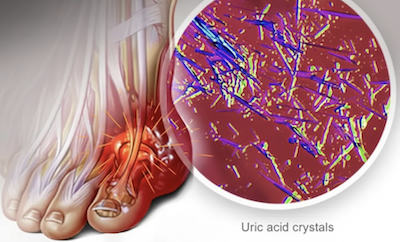
Quick summary (read this first)
- The goal for many gout patients is serum uric acid <6 mg/dL (often <5 mg/dL if tophi).
- Most people see measurable changes in 4–6 weeks, with stronger results by week 12.
- The fastest natural wins are: hydration, cutting sugar/alcohol, and removing obvious high-purine triggers.
- If you take urate-lowering medication, do not stop it without medical supervision.
Best way to lower uric acid levels naturally
Lowering uric acid levels naturally works best when you combine three pillars:
- Hydration: supports kidney excretion of uric acid.
- Diet changes: reduce purine load and fructose/alcohol triggers.
- Metabolic improvement: gradual weight loss (if needed), better sleep, consistent activity.
How to reduce uric acid fast (first 7 days)
Use this “Week 0” reset if you want the quickest start:
- Drink water consistently across the day (aim for pale yellow urine).
- Stop sugary drinks and limit fruit juice.
- Avoid beer and binge alcohol.
- Remove obvious high-purine items: organ meats and high-purine seafood (like anchovies/sardines).
- Keep meals simple: vegetables + whole grains + low-fat dairy + eggs/tofu + small portions of lean poultry.
Natural vs medication: what to expect
| Approach | Typical impact | Timeline | Best for |
|---|---|---|---|
| Hydration + sugar/alcohol reduction | Small–moderate | 1–4 weeks | Mild elevation and prevention |
| Full diet + lifestyle protocol | Moderate | 4–12 weeks | Motivated beginners, prevention |
| Medication (when indicated) | Often larger | Weeks–months | Recurrent gout, very high UA, tophi |
Many people use natural methods alongside medication to improve results and reduce flare triggers.
Phase 1: Weeks 1–4 (foundation)
Week 1: Hydration + baseline
Goal: establish baseline habits and remove obvious triggers.
Daily hydration
- Drink ~2.5–3 liters/day (adjust for body size, climate, kidney/heart conditions).
- Start the day with 16 oz water.
- Drink water with meals.
Dietary changes (Week 1)
- Remove organ meats.
- Remove sugary drinks.
- Reduce alcohol (avoid beer if flare-prone).
- Reduce high-purine seafood (anchovies/sardines; keep other seafood modest).
- Record baseline: weight, symptoms, typical weekly diet.
Activity
- 20–30 minutes easy walking daily (or similar low-impact movement).
Week 2: Replace proteins (don’t “go low protein”)
Goal: keep adequate protein while lowering risk.
Protein options (generally gout-friendly)
- Eggs (several per week).
- Tofu/soy foods (if tolerated).
- Low-fat yogurt / milk.
- Small portions of lean poultry.
Keep doing
- Hydration + walking.
- Cut sugary drinks and alcohol triggers.
Week 3: Add supportive patterns
Beverages
- Coffee if tolerated (many people do well with 1–3 cups/day).
- Water + unsweetened tea.
Carbs
- Choose higher-fiber carbs most of the time (oats, whole grains, potatoes, rice).
- Reduce ultra-processed snacks/sweets.
Check-in
- Energy, sleep, joint symptoms, weight trend.
Week 4: Gradual weight loss (if applicable)
Goal: improve insulin sensitivity and uric acid clearance.
- Aim for 1–2 lb/week maximum.
- Avoid crash diets and fasting.
- Use a small calorie deficit (e.g., 200–400 calories/day) by improving food quality and portions.
Phase 2: Weeks 5–8 (optimization)
Week 5: Hydration upgrades
- Keep 2.5–3 liters/day.
- Consider tart cherry food or juice in a modest amount (watch added sugar).
- Time fluids around meals and activity.
Week 6: Anti-inflammatory food pattern
Add:
- Ginger and turmeric in cooking/tea.
- Berries and colorful vegetables.
- Olive oil and nuts/seeds (portion mindful).
Reduce:
- Fructose-heavy sweets and desserts.
Week 7: Exercise progression (joint-friendly)
- Increase walks to 30–45 minutes most days.
- Add swimming/cycling 2–3 times/week if joints tolerate.
- Add gentle mobility work (stretching/yoga) 3 times/week.
Week 8: Stress + sleep (often overlooked)
- Aim for 7–9 hours sleep.
- Add 10 minutes/day of breathing, meditation, or quiet walking.
- Keep a simple “trigger diary” (sleep, alcohol, dehydration, big meals, stress spikes).
Phase 3: Weeks 9–12 (maintenance + personalization)
Week 9: Personal trigger testing
Goal: find your personal “threshold.”
- Test moderate foods in small portions.
- Watch hydration and alcohol around those tests.
- Track symptom response for 48–72 hours.
Week 10: Measure uric acid levels
Suggested labs (with clinician)
- Serum uric acid.
- Kidney function (creatinine/eGFR).
- Consider 24-hour urine in selected cases.
Week 11: Flare prevention plan
Create a simple plan for travel, holidays, and restaurant meals:
- Always carry a water bottle.
- Choose lower-risk meal defaults.
- Have a clinician-approved flare plan if you have gout history.
Week 12: Long-term sustainability
Lock in what worked:
- Hydration routine
- Low-sugar beverage habits
- Realistic alcohol rules
- Weekly movement you enjoy
- Meal templates you can repeat
Important nutritional targets (practical)
| Nutrient | Practical goal | Food examples |
|---|---|---|
| Fluids | 2.5–3 liters/day | Water, unsweetened tea |
| Protein | Adequate daily intake | Eggs, tofu, dairy, lean poultry |
| Fiber | 25–30 g/day | Vegetables, oats, legumes (as tolerated) |
| Vitamin C | Daily intake | Citrus, peppers, berries |
Frequently asked questions
Q: How quickly can you lower uric acid levels naturally?
A: Some people see movement in weeks, but meaningful, stable improvement usually takes 4–12 weeks of consistent habits.
Q: Can I stop gout medication if I follow this plan?
A: Only with doctor approval. Many people still need medication to reach target levels, even with excellent lifestyle habits.
Q: What if I get a flare while doing this protocol?
A: Flares can still occur. Focus on hydration, reduce triggers, rest the joint, and follow your clinician’s flare plan.
Medically Reviewed by: Registered Dietitian Nutritionist
Last Updated: January 20, 2026
Related content