Diet for High Uric Acid & Gout: What to Eat, Avoid + 7-Day Meal Plan
Diet for High Uric Acid & Gout: What to Eat, Avoid + 7-Day Meal Plan
Quick guide: Best foods for gout diet
Eat freely:
- Low-fat dairy, eggs, vegetables, fruits, whole grains, coffee, water
Eat in moderation (small portions, 2-3x weekly):
- Chicken, turkey, low-purine fish (salmon, cod), beans, lean pork
Avoid or strictly limit:
- Organ meats, anchovies/sardines, game meats, beer, sugary drinks, red meat (max 1x weekly)
Target: Lower uric acid by 1-2 mg/dL through diet alone, or support medication effectiveness.
Understanding diet and uric acid
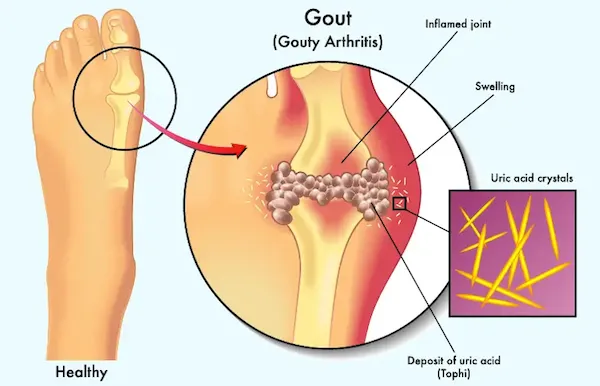
The right diet for high uric acid and gout can lower uric acid levels by 1-2 mg/dL—enough to prevent crystal formation and reduce gout attacks. This comprehensive gout diet guide explains what to eat and avoid, provides a 7-day meal plan, and shows you the best diet for gout sufferers based on purine content and clinical research. While medication is often needed for severe cases, understanding what not to eat with high uric acid is essential for everyone with hyperuricemia or gout.
A well-planned diet for high uric acid focuses on three goals:
- Reduce purine intake (purines convert to uric acid)
- Promote uric acid excretion (through hydration and specific foods)
- Avoid foods that impair excretion (alcohol, fructose)
Best diet for gout and high uric acid
The most effective gout diet combines three evidence-based strategies:
- Purine restriction: Limit foods that convert to uric acid (organ meats, high-purine seafood, red meat)
- Uric acid excretion support: Emphasize low-fat dairy (increases kidney excretion by 10-15%)
- Trigger avoidance: Eliminate fructose and alcohol (especially beer)
Research shows this approach can lower uric acid by 1-2 mg/dL—enough to prevent crystal formation in many people. The best diet for gout sufferers is sustainable, nutritionally complete, and addresses both prevention and flare management.
Diet vs medication for lowering uric acid
| Approach | Typical uric acid reduction | Timeline | Best for |
|---|---|---|---|
| Diet alone | 1-2 mg/dL | 4-8 weeks | Mild elevation (7-8 mg/dL), prevention |
| Medication | 2-4+ mg/dL | 2-4 weeks | Gout diagnosis, levels >8 mg/dL, recurrent attacks |
| Diet + medication | 3-5+ mg/dL | 2-6 weeks | Best results, standard care for gout |
Most people with gout need both diet changes and medication to reach target uric acid levels (<6 mg/dL).
Gout diet: What to eat
Focus your diet on these gout-friendly foods that won't raise uric acid:
Eat daily (unlimited):
- Low-fat dairy (milk, yogurt, cheese): actively lowers uric acid
- Eggs: virtually purine-free protein
- Most vegetables (including high-purine vegetables like spinach and mushrooms—plant purines are safe)
- Whole fruits (especially cherries, which reduce gout attacks by 35%)
- Whole grains (oats, brown rice, whole wheat)
Eat regularly (2-3 times weekly):
- Low-purine fish (salmon, cod, tilapia): 3-4 oz portions
- Lean poultry (chicken, turkey breast): 4-6 oz portions
- Legumes (beans, lentils): 1/2 cup portions
- Nuts and seeds: 1-2 oz daily
Beverages:
- Water: 2.5-3 liters daily (most important)
- Coffee: 3-4 cups daily (reduces gout risk by 40%)
- Tart cherry juice: 8 oz daily (unsweetened)
Gout diet: What not to eat
If you have gout or high uric acid, completely avoid or strictly limit these high-purine foods:
Eliminate completely:
- Organ meats (liver, kidney, sweetbreads): 300-800 mg purines per 3 oz
- High-purine seafood (anchovies, sardines, herring): 200-400+ mg purines per 3 oz
- Beer (all types, including non-alcoholic): raises production AND blocks excretion
- Sugary drinks with high-fructose corn syrup: increases uric acid production by 74%
Strictly limit:
- Red meat (beef, pork, lamb): max 4 oz once weekly
- Moderate-purine seafood (shrimp, lobster): occasional small portions
- Alcohol (spirits, wine): max 1 drink with food, avoid during flare-prone periods
The single most important dietary change is eliminating organ meats and high-purine seafood.
Foods to eat freely
These foods are safe for daily consumption and may actively help lower uric acid.
Low-fat dairy products
Why they help:
- Proteins (casein and lactalbumin) increase uric acid excretion
- Associated with 42% lower gout risk in high consumers
- Anti-inflammatory properties
Best choices:
| Food | Serving | Purine content |
|---|---|---|
| Skim milk | 1 cup | <10 mg |
| Low-fat yogurt | 6 oz | <10 mg |
| Low-fat cottage cheese | 1/2 cup | <10 mg |
| Part-skim mozzarella | 1 oz | <10 mg |
| Low-fat ricotta | 1/4 cup | <10 mg |
Daily target: 2-3 servings
Eggs
Why they're safe:
- Virtually purine-free
- Excellent protein source
- Versatile for any meal
Recommendations:
- Up to 7 eggs per week (or more if no cholesterol concerns)
- Preparation: Boiled, poached, scrambled, or in omelets
- Combine with vegetables for balanced meals
Vegetables
Most vegetables are safe and beneficial for a diet for high uric acid.
Eat freely:
- Leafy greens (spinach, kale, lettuce, arugula)
- Cruciferous (broccoli, cauliflower, cabbage)
- Root vegetables (carrots, beets, potatoes)
- Squash and zucchini
- Bell peppers
- Onions and garlic
- Tomatoes
- Cucumbers
Note on high-purine vegetables:
Asparagus, spinach, and mushrooms contain moderate purines but research shows they do NOT increase gout risk. Plant purines are processed differently than animal purines.
Daily target: 4-5 servings (aim for variety and color)
Fruits
Fruits provide essential nutrients and antioxidants.
Best choices:
- Cherries: Specifically reduce gout risk (1 cup daily or cherry extract)
- Citrus fruits: Vitamin C may lower uric acid
- Berries: High in antioxidants
- Apples and pears: Low in fructose
- Bananas: Good potassium source
Fruits to limit:
- Fruit juices (concentrated fructose)
- Dried fruits (concentrated sugars)
- High-fructose fruits in excess (grapes, mangoes)
Daily target: 2-3 servings whole fruits
Whole grains
Complex carbohydrates are foundation foods in a diet for high uric acid.
Good options:
| Grain | Serving | Benefits |
|---|---|---|
| Brown rice | 1 cup cooked | Low purine, high fiber |
| Oatmeal | 1 cup cooked | Heart-healthy, filling |
| Whole wheat bread | 2 slices | Fiber, B vitamins |
| Quinoa | 1 cup cooked | Complete protein |
| Barley | 1 cup cooked | Cholesterol-lowering |
| Whole wheat pasta | 1 cup cooked | Sustained energy |
Daily target: 3-4 servings
Nuts and seeds
These provide healthy fats and protein with minimal purines.
Best choices:
- Almonds (1 oz = <10 mg purines)
- Walnuts (heart-healthy omega-3s)
- Peanuts and peanut butter
- Sunflower seeds
- Flaxseeds (anti-inflammatory)
- Chia seeds
Daily target: 1-2 oz (small handful)
Coffee
Research findings:
- 4+ cups daily: 40% lower gout risk
- Both caffeinated and decaf show benefits
- Mechanism: May inhibit xanthine oxidase
Recommendations:
- Drink black or with low-fat milk
- Avoid sugar-sweetened coffee drinks
- If sensitive to caffeine, decaf provides similar benefits
Foods to eat in moderation
These foods contain moderate purines and should be portion-controlled.
Poultry
Moderate portions allowed:
| Poultry | Serving size | Purine content |
|---|---|---|
| Chicken breast | 3-4 oz | 100-150 mg |
| Turkey breast | 3-4 oz | 100-150 mg |
| Duck | 3-4 oz | 100-150 mg |
Guidelines:
- Limit to 4-6 oz per day
- Choose skinless cuts
- Bake, grill, or roast (avoid frying)
- 3-4 times per week maximum
Fish (lower-purine options)
Some fish are moderate in purines and can be eaten occasionally.
Acceptable fish:
| Fish | Serving | Purine content |
|---|---|---|
| Salmon | 3 oz | 100-150 mg |
| Sole | 3 oz | 80-100 mg |
| Tilapia | 3 oz | 80-100 mg |
| Cod | 3 oz | 80-100 mg |
| Catfish | 3 oz | 80-100 mg |
Guidelines:
- Limit to 4-6 oz, 2-3 times per week
- Bake or grill (avoid breading and frying)
- Balance with plant proteins on other days
Legumes
Beans and lentils contain moderate purines but are safe in reasonable amounts.
Options:
- Black beans
- Kidney beans
- Chickpeas
- Lentils
- Split peas
Guidelines:
- 1/2 cup cooked serving
- 3-4 times per week
- Good meat substitute
- High in fiber and plant protein
Pork and beef (lean cuts only)
If choosing red meat:
| Cut | Serving | Purine content |
|---|---|---|
| Pork tenderloin | 3 oz | 100-150 mg |
| Lean beef sirloin | 3 oz | 100-150 mg |
| Lean ground beef (90%+) | 3 oz | 100-150 mg |
Guidelines:
- Limit to 4 oz maximum
- No more than once per week
- Always choose lean cuts
- Avoid processed meats
Foods to avoid
These foods significantly raise uric acid and should be eliminated or strictly limited.
Organ meats (eliminate)
Extremely high purine content:
| Organ meat | Purine content per 3 oz |
|---|---|
| Liver (beef, chicken, pork) | 300-400 mg |
| Kidney | 200-300 mg |
| Sweetbreads | 800+ mg |
| Brain | 150-200 mg |
| Heart | 150-200 mg |
Recommendation: Complete elimination
High-purine seafood (eliminate or rare)
Highest risk seafood:
| Seafood | Purine content per 3 oz |
|---|---|
| Anchovies | 400+ mg |
| Sardines | 350+ mg |
| Herring | 200-300 mg |
| Mussels | 150-200 mg |
| Scallops | 150-200 mg |
| Shrimp | 150-200 mg |
| Lobster | 100-150 mg |
Recommendation: Avoid completely or limit to special occasions (once monthly)
Game meats (eliminate)
Very high purine content:
- Venison
- Wild boar
- Rabbit
- Goose
- Pheasant
Recommendation: Complete elimination
Alcohol
Impact on uric acid:
- Beer: Increases production AND decreases excretion (worst choice)
- Spirits: Decreases excretion
- Wine: Least impact but still raises risk
Guidelines:
| Alcohol | Recommendation |
|---|---|
| Beer | Avoid completely |
| Spirits | Maximum 1 drink/day (ideally avoid) |
| Wine | Maximum 1 glass/day with food |
Sugar-sweetened beverages
Why they're harmful:
- Fructose increases uric acid production
- Associated with 74% higher gout risk (2+ sodas daily)
- No nutritional benefit
Avoid:
- Regular soda
- Fruit punches
- Sweet tea
- Energy drinks with sugar
- Sweetened coffee drinks
High-fructose corn syrup
Found in:
- Many processed foods
- Candy and sweets
- Some breads and cereals
- Condiments (ketchup, BBQ sauce)
- Flavored yogurts
Action: Read labels and choose products without HFCS
Beverages for high uric acid and gout
What to drink
Water (essential)
- Target: 2.5-3 liters daily
- Best uric acid-lowering beverage
- Promotes kidney excretion
Coffee
- 3-4 cups daily beneficial
- Black or with low-fat milk
- Decaf also helps
Tea
- Green tea: Antioxidants, anti-inflammatory
- Herbal teas: Ginger, turmeric for inflammation
- Black tea: Moderate benefit
Tart cherry juice
- 8 oz daily
- Reduces gout attacks by 35%
- Choose unsweetened varieties
Low-fat milk
- Promotes uric acid excretion
- 1-2 cups daily
What to avoid
- Regular soda and soft drinks
- Fruit juices (except small amounts of tart cherry)
- Beer (including non-alcoholic)
- Sweetened iced tea
- Energy drinks
- Sweetened coffee drinks
7-day meal plan for high uric acid
Day 1
Breakfast:
- Oatmeal with berries and walnuts
- Low-fat milk
- Coffee
Lunch:
- Large salad with mixed greens, tomatoes, cucumbers
- Hard-boiled eggs (2)
- Whole wheat bread
- Water with lemon
Dinner:
- Grilled chicken breast (4 oz)
- Brown rice
- Steamed broccoli
- Tart cherry juice
Snacks: Apple, low-fat yogurt
Day 2
Breakfast:
- Whole wheat toast with avocado
- Scrambled eggs
- Orange slices
- Coffee
Lunch:
- Vegetable soup
- Cottage cheese with fruit
- Whole grain crackers
- Water
Dinner:
- Baked salmon (4 oz)
- Quinoa
- Roasted vegetables (zucchini, bell peppers)
- Low-fat milk
Snacks: Almonds (1 oz), banana
Day 3
Breakfast:
- Greek yogurt with granola and berries
- Coffee
Lunch:
- Turkey sandwich on whole wheat
- Side salad
- Water with lemon
Dinner:
- Vegetarian stir-fry with tofu
- Brown rice
- Green tea
Snacks: Cherry tomatoes, low-fat cheese stick
Day 4
Breakfast:
- Vegetable omelet (2 eggs)
- Whole wheat toast
- Grapefruit
- Coffee
Lunch:
- Black bean soup
- Whole grain bread
- Mixed green salad
- Water
Dinner:
- Grilled chicken (4 oz)
- Sweet potato
- Steamed green beans
- Tart cherry juice
Snacks: Pear, handful of walnuts
Day 5
Breakfast:
- Overnight oats with chia seeds
- Berries
- Low-fat milk
- Coffee
Lunch:
- Large salad with chickpeas
- Olive oil and vinegar dressing
- Whole wheat pita
- Water
Dinner:
- Baked cod (4 oz)
- Mashed potatoes (made with low-fat milk)
- Steamed asparagus
- Herbal tea
Snacks: Low-fat yogurt, orange
Day 6
Breakfast:
- Whole grain cereal
- Low-fat milk
- Sliced banana
- Coffee
Lunch:
- Grilled vegetable wrap
- Hummus
- Apple
- Water
Dinner:
- Vegetable pasta primavera
- Side salad
- Whole wheat garlic bread
- Tart cherry juice
Snacks: Celery with peanut butter, berries
Day 7
Breakfast:
- Pancakes (whole wheat)
- Fresh berries
- Low-fat yogurt
- Coffee
Lunch:
- Lentil soup
- Whole grain bread
- Mixed green salad
- Water
Dinner:
- Lean pork tenderloin (4 oz)
- Brown rice
- Roasted Brussels sprouts
- Low-fat milk
Snacks: Mixed nuts (1 oz), grapes
Quick reference: Purine content by food group
Very low purine (<50 mg per serving)
- Eggs
- Low-fat dairy
- Most vegetables
- Most fruits
- Bread and cereals
- Pasta and rice
- Nuts and seeds
- Oils and fats
Low purine (50-100 mg per serving)
- Chicken breast
- Turkey
- Tofu
- Most legumes
- Mushrooms
- Asparagus
- Spinach
Moderate purine (100-200 mg per serving)
- Beef (lean cuts)
- Pork
- Salmon
- Tuna
- Shrimp
- Lobster
High purine (200-400 mg per serving)
- Anchovies
- Sardines
- Herring
- Mussels
- Scallops
- Organ meats
- Game meats
Very high purine (>400 mg per serving)
- Liver
- Sweetbreads
- Certain fish roe
Special dietary considerations
Vegetarian/vegan diet for high uric acid
Advantages:
- Eliminates highest-purine foods (organ meats, seafood)
- Plant purines less likely to raise uric acid
- Associated with lower gout risk
Protein sources:
- Tofu and tempeh
- Legumes (moderate portions)
- Eggs (vegetarian)
- Dairy (vegetarian)
- Nuts and seeds
- Quinoa
Watch for:
- Adequate B12 (supplement if vegan)
- Complete protein combinations
- Iron absorption (pair with vitamin C)
Mediterranean diet adaptation
The Mediterranean diet naturally aligns with a diet for high uric acid.
Key features:
- Olive oil as primary fat
- Abundant vegetables and fruits
- Whole grains
- Legumes and nuts
- Fish 2-3 times weekly (low-purine choices)
- Limited red meat
- Moderate wine (optional, with food)
Benefits:
- Anti-inflammatory
- Heart-healthy
- Weight management
- Sustainable long-term
DASH diet adaptation
The DASH diet (designed for blood pressure) also benefits gout.
Features compatible with high uric acid:
- Low-fat dairy emphasis
- Fruits and vegetables
- Whole grains
- Lean proteins
- Limited sodium
- Limited added sugars
Modification needed:
- Choose low-purine protein sources
- Avoid high-purine fish options
Dining out tips
General guidelines
- Plan ahead: Review menus online
- Ask questions: How is it prepared? What's in the sauce?
- Request modifications: Grilled instead of fried, sauce on side
- Control portions: Share entrees or take half home
- Stay hydrated: Order water first
Restaurant-specific tips
Italian:
- Good: Pasta primavera, vegetable risotto, caprese salad
- Avoid: Anchovy dishes, liver pâté, shellfish pasta
Mexican:
- Good: Bean burritos, vegetable fajitas, guacamole
- Avoid: Carnitas, organ meat tacos
Asian:
- Good: Tofu dishes, vegetable stir-fry, rice dishes
- Avoid: Organ meats, dried shrimp, fish sauce-heavy dishes
American:
- Good: Grilled chicken salad, turkey burger, vegetable sides
- Avoid: Organ meats, large steaks, beer
Using GoutSnap tools for your diet
Track your meals:
Use GoutSnap AI (Purine Tracker) App to instantly check the purine content of any meal by taking a photo. Our AI analyzes your food and provides personalized recommendations.
Calculate daily purine intake:
The Purine Calculator helps you track total daily purine consumption and ensures you stay within safe limits (<400 mg/day).
Browse safe foods:
Explore our complete food database with detailed purine content for thousands of ingredients.
Frequently asked questions
Q: How quickly will diet changes lower my uric acid?
A: Dietary modifications typically show effects within 2-4 weeks. Consistent adherence can lower uric acid by 1-2 mg/dL. However, most people with gout also need medication.
Q: Can I ever eat high-purine foods?
A: Once your uric acid is well-controlled (<6 mg/dL) and you haven't had flares for 6+ months, occasional small portions of moderate-purine foods may be tolerable. High-purine organ meats and shellfish should generally remain avoided.
Q: Is a purine-free diet necessary?
A: No, and it's not realistic. The goal is reducing purine intake, not eliminating it entirely. Focus on avoiding the highest-purine foods while enjoying a balanced diet.
Q: Do I need to count purines daily?
A: Not necessarily. Following the general guidelines (avoiding high-purine foods, limiting moderate-purine foods, eating freely from low-purine foods) is usually sufficient.
Q: Will losing weight help my uric acid?
A: Yes. Every 10 lbs lost can reduce uric acid by 0.5-1 mg/dL. However, lose weight gradually (1-2 lbs/week) as rapid weight loss can trigger gout flares.
Q: Can supplements replace dietary changes?
A: No. While some supplements (vitamin C, cherry extract) may help modestly, they cannot replace a proper diet for high uric acid. Think of them as additions, not substitutes.
Q: What's the single most important diet change for gout?
A: Eliminating organ meats and high-purine seafood (anchovies, sardines, herring). These have the highest purine content and most strongly trigger gout attacks.
Q: Can I drink alcohol on a gout diet?
A: Beer should be completely avoided. Spirits and wine can be consumed in strict moderation (max 1 drink with food), but abstinence is best during flare-prone periods.
Medically Reviewed by: Registered Dietitian Nutritionist
Last Updated: January 20, 2026
Related content: