Uric Acid Diet 2026: What to Eat & Avoid for Gout
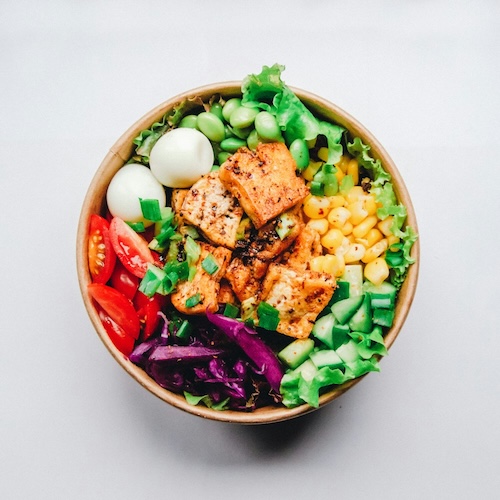
Uric Acid Diet in 2026: What to Eat and Avoid for Gout (Complete Guide)
Key Takeaways
- The target for serum uric acid is below 6 mg/dL (American College of Rheumatology, 2024)
- Eating cherries regularly cut gout attack risk by 35% in one large study (Zhang et al., Arthritis & Rheumatism, 2012)
- High-purine vegetables like spinach and asparagus do NOT raise gout risk, despite what many people believe
- Diet alone typically lowers uric acid by 1-2 mg/dL; most patients with established gout also need medication
- Fructose from sugary drinks raises uric acid just as effectively as alcohol does
[INTERNAL-LINK: uric acid diet pillar → /guides/diet-for-high-uric-acid]
Most gout patients get handed a list of foods to avoid and sent home. Nobody explains WHY those foods matter, or why some "high-purine" vegetables are perfectly fine while a cold beer can trigger a flare within hours. A list without the reasoning behind it is hard to follow, easy to misapply, and almost impossible to stick to long-term. This guide covers the mechanism, the evidence behind every food rule, and the most common myths that keep people confused. By the end, you'll know exactly what's happening in your body and what to do about it.
How Does Food Cause Gout Attacks?
Purines are natural compounds found in many foods and in your own body's cells. When your body breaks them down, the end product is uric acid. In healthy people, uric acid dissolves in the blood, passes through the kidneys, and leaves the body in urine. The problem starts when production outpaces excretion, according to Dalbeth et al., Nature Reviews Disease Primers, 2019.
When uric acid levels climb high enough, it stops dissolving cleanly in the blood. Instead, it begins forming tiny needle-shaped crystals, called monosodium urate crystals, that deposit in joints and soft tissue. The joint most famously affected is the big toe, though ankles, knees, and wrists are common targets too.
Your immune system treats those crystals as foreign invaders. White blood cells rush in to attack them. That immune response causes the intense inflammation, redness, warmth, and pain that defines a gout attack.
Once serum uric acid exceeds 6.8 mg/dL, crystals can begin to form. The diet goal is to keep your levels comfortably below 6 mg/dL, giving you a meaningful buffer.
[INTERNAL-LINK: how uric acid crystals form → /guides/uric-acid-crystals]
What Foods Should You Avoid With Gout?
The clearest evidence points to organ meats, certain seafood, alcohol, and high-fructose foods as the biggest dietary triggers, supported by large cohort data from Choi et al., New England Journal of Medicine, 2004. These foods either flood the body with purines, block the kidneys from excreting uric acid, or directly stimulate uric acid production.
[CHART: Bar chart - Purine content (mg per 100g) by food category - Sources: Dalbeth 2019, Mayo Clinic 2025]
High-Purine Foods to Avoid
| Food | Approx. Purine Content (mg/100g) | Risk Level |
|---|---|---|
| Organ meats (liver, kidney, sweetbreads) | 300-1,000 | Very High |
| Sardines | ~480 | Very High |
| Anchovies | ~400 | Very High |
| Game meats (venison, rabbit) | ~200 | High |
| Herring | ~210 | High |
| Mussels and scallops | ~150-200 | High |
| Red meat (beef, lamb, pork) | ~100-150 | Moderate-High |
Organ meats are in a category of their own. A single serving of beef liver can deliver more purines than most people eat in an entire day of normal eating. Cut them out entirely if you have gout.
Alcohol: Beer Is the Worst Offender
Beer carries a double burden. It contains purines from yeast, and it also blocks the kidneys from excreting uric acid efficiently. Spirits come second. Wine appears least risky in studies, though it's not harmless, and heavy wine consumption still raises uric acid (Choi et al., NEJM, 2004).
The safest approach is to avoid alcohol during and immediately after a flare, and to limit it sharply during remission.
Fructose: The Hidden Trigger
High-fructose corn syrup, found in most sodas, fruit punches, and many packaged snacks, triggers uric acid production through a different metabolic pathway than purines do. It doesn't need to be digested into purines first. The liver converts fructose rapidly, and that process generates uric acid as a byproduct. For some people, sugary drinks raise uric acid as much as beer does.
[INTERNAL-LINK: drinks that affect uric acid → /guides/5-drinks-flush-uric-acid]
What Can You Eat on a Gout Diet?
A gout diet isn't a deprivation diet. From what studies show, there's a solid list of foods that are either neutral or actively beneficial. The American College of Rheumatology's 2020 guidelines highlight dairy, coffee, and vitamin C as having protective effects, alongside the broader pattern of a low-purine eating approach.
[IMAGE: Gout-safe foods arranged in groups - cherries, low-fat yogurt, whole grain bread, salmon fillet, coffee cup, and fresh vegetables - search terms: "low purine foods gout diet healthy"]
The Cherry Finding
Cherries deserve their own mention. A large cohort study following over 600 gout patients found that those who ate cherries over a 2-day period had a 35% lower risk of gout attacks compared to those who didn't (Zhang et al., Arthritis & Rheumatism, 2012). Combining cherries with allopurinol (a common gout medication) pushed that reduction to 75%.
The mechanism isn't fully settled. Cherries contain anthocyanins, which are anti-inflammatory compounds, and they may also directly lower uric acid levels. Either way, the evidence is strong enough to make cherries a regular part of a gout-friendly diet. Fresh, frozen, or tart cherry juice all seem to help.
Vitamin C and Coffee
Vitamin C at 500mg per day lowered serum uric acid levels in a controlled trial (Huang et al., Arthritis & Rheumatism, 2005). The effect is modest, roughly 0.5 mg/dL, but it's real and adds up alongside other dietary changes.
Coffee, interestingly, appears to lower uric acid levels, possibly because it reduces xanthine oxidase activity, the enzyme involved in uric acid production. Regular coffee drinkers in observational studies tend to have lower uric acid levels. There's no reason to restrict coffee if you already drink it.
Safe, Moderate, and Limit: A Quick Reference
| Category | Eat Freely | Eat in Moderation | Limit or Avoid |
|---|---|---|---|
| Protein | Eggs, low-fat dairy, tofu | Chicken, turkey, salmon, legumes | Organ meats, anchovies, sardines, game meats |
| Drinks | Water, coffee, tea, milk | Small amounts of wine | Beer, spirits, sugary drinks, fruit punch |
| Carbs | Whole grains, oats, brown rice | White rice, pasta (moderate portions) | Foods with high-fructose corn syrup |
| Fruits & Veg | All vegetables, cherries, citrus, berries | Most fruit in normal portions | Large quantities of fruit juice (fructose) |
[INTERNAL-LINK: detailed food lists and purine tables → /guides/diet-for-high-uric-acid]
The Vegetable Myth: Why Spinach and Asparagus Are Fine
This is the most common misconception in gout management, and it causes real harm. People cut out vegetables because they've heard spinach, asparagus, mushrooms, and green peas are "high in purines," and then struggle to eat a nutritious, satisfying diet.
The key landmark study here is Choi et al., NEJM, 2004, which followed 47,150 men over 12 years. The researchers separated animal purines from vegetable purines in the analysis. Animal purine intake was strongly associated with higher gout risk. Vegetable purine intake was not associated with gout risk at all.
Why the difference? The exact reason isn't fully established, but the leading explanation involves several factors working together. Vegetables come packaged with fiber, antioxidants, and vitamin C, which may offset any uric acid effect. Plant purines may also be processed differently by the gut and liver compared to animal purines. Whatever the mechanism, the outcome is clear in the data.
So eat your vegetables freely. All of them, including the ones your neighbor told you to avoid.
A Sample Day of Eating for Gout
This sample menu is based on guidelines from Mayo Clinic Staff, April 2025. It's practical, it covers all macronutrient needs, and it keeps purines well within a safe range for most people.
| Meal | Foods | Approx. Purine Load |
|---|---|---|
| Breakfast | Whole-grain cereal with low-fat milk, fresh strawberries, black coffee | Low (~20-30mg) |
| Lunch | Roasted chicken breast on whole-grain roll, side salad with olive oil, water or iced tea | Low-Moderate (~50-70mg) |
| Snack | Low-fat yogurt with a handful of cherries or blueberries | Very Low (~5-10mg) |
| Dinner | 4 oz baked salmon with green beans, whole-grain pasta, and a glass of low-fat milk | Moderate (~80-100mg) |
Daily total: approximately 150-200mg of purines, well below the 400-500mg range associated with elevated risk.
The structure isn't complicated. Each meal anchors around a low-to-moderate protein source, adds plenty of vegetables, includes whole grains, and avoids alcohol and sugary drinks. That pattern, repeated consistently, is what produces results over weeks.
Common Mistakes on a Gout Diet
From what patients and dietitians report repeatedly, these four errors derail most people who try to manage gout through diet alone.
Eliminating all seafood. This is overcorrecting. Not all seafood is high in purines. Salmon, cod, tilapia, and canned light tuna are all moderate-purine options that fit into a gout diet. Only anchovies, sardines, herring, mussels, and scallops are genuinely high-risk. Cutting all fish means losing a valuable lean protein source and the anti-inflammatory omega-3 benefits of fatty fish. Don't throw out the good with the bad.
[INTERNAL-LINK: which fish are safe for gout → /guides/fish-and-gout-complete-guide]
Ignoring sugary drinks. Many people cut red meat and beer but continue drinking sodas and fruit punches. The fructose in those drinks raises uric acid through the same pathway as alcohol. Two cans of regular soda daily can undo meaningful progress from other dietary changes.
Assuming diet alone will cure gout. Diet is genuinely important. A well-executed gout diet can reduce attack frequency by roughly 40% and lower serum uric acid by 1-2 mg/dL. That's significant. But if your uric acid is running at 9 or 10 mg/dL, dietary changes alone won't bring you to the 6 mg/dL target. Most patients with established gout need urate-lowering medication alongside dietary management.
Thinking it's only about purines. Weight, hydration, and alcohol each affect uric acid independently of purine intake. Losing even 10-15 lbs reduces uric acid in people who are overweight, even without strict purine restriction. Drinking enough water helps the kidneys excrete uric acid. These factors aren't secondary to diet; they're part of the same picture.
FAQ
Can I eat chicken with gout?
Yes. Skinless chicken breast is a low-to-moderate purine protein that's safe for most gout patients 3-4 times per week. It's one of the better animal protein choices available. Avoid frying it in heavy oils and pair it with vegetables and whole grains for the best nutritional balance. ([INTERNAL-LINK: full guide on chicken and gout → /guides/chicken-and-gout])
Is coffee safe for gout?
Not only is coffee safe, it may actually help. Observational studies consistently show that regular coffee drinkers have lower uric acid levels, likely because coffee reduces the activity of xanthine oxidase, an enzyme involved in uric acid production (Choi et al., NEJM, 2004). There's no need to restrict coffee if you're managing gout.
How long does it take for diet changes to lower uric acid?
Meaningful changes typically appear within 4-8 weeks of consistent dietary modification. In most cases, diet alone lowers serum uric acid by about 1-2 mg/dL. That's enough to be clinically meaningful, but if you're starting from a high baseline, you may see partial improvement rather than reaching the target of below 6 mg/dL without medication support.
Do I still need medication if I follow this diet perfectly?
For most people with established gout, yes. Diet is an important complement to medical treatment, not a replacement for it. If your uric acid is significantly elevated, or if you've had multiple gout attacks, medication like allopurinol is typically necessary to reach and maintain the target level below 6 mg/dL. Talk with your rheumatologist about where your levels are and what combination of approaches makes sense for your situation.
[INTERNAL-LINK: medical treatment options for gout → /guides/high-uric-acid-treatment]
Putting It All Together
Three things matter most on a gout diet. First, eliminate the genuine high-purine triggers: organ meats, anchovies, sardines, and beer. Second, reduce fructose by cutting sugary drinks, which are as problematic as alcohol for uric acid levels. Third, add protective foods: cherries, coffee, low-fat dairy, and vitamin C sources, which have actual evidence behind them.
Don't complicate it further than necessary. You don't need to count purine milligrams at every meal. You need a consistent pattern of eating that avoids the worst offenders and leans toward the protective foods. Most people who do this consistently see measurable improvements within 4-8 weeks.
To track your food choices against purine data in real time, try the free purine calculator at GoutSnap. For a structured weekly approach, the 7-day gout diet meal plan gives you a ready-to-use framework to start from today.
Citation Capsules
On crystal formation: Once serum uric acid exceeds 6.8 mg/dL, monosodium urate crystals can begin forming in joints and soft tissue. The clinical target for gout management is below 6 mg/dL, providing a safety buffer. (Dalbeth et al., Nature Reviews Disease Primers, 2019)
On cherry consumption: A 2012 study following 633 gout patients found that eating cherries over a 2-day period was associated with a 35% lower risk of gout attacks compared to no cherry consumption. Combining cherries with allopurinol reduced risk by 75%. (Zhang et al., Arthritis & Rheumatism, 2012)
On vegetable purines: A 12-year cohort study of 47,150 men found that animal purine intake was strongly associated with gout risk, while vegetable purine intake showed no significant association, even for classically "high-purine" vegetables like spinach and asparagus. (Choi et al., NEJM, 2004)