My Gout Journey: Connecting With My Rheumatologist
PATIENT VOICES
My Gout Journey: Connecting With My Rheumatologist
By John Gray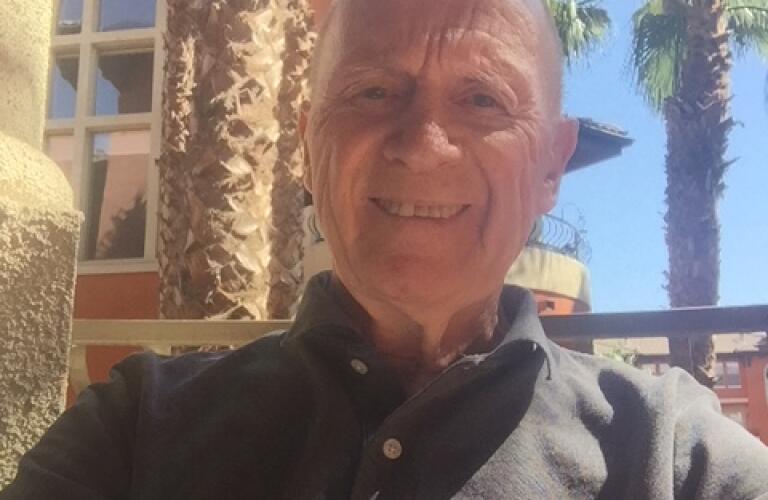
After serving in the Army with the 101 st Airborne Division, John spent his career in network television sales for NBC and CBS. Since retiring in 2003, he co-founded and continues to work for The Memory Kit, an Atlanta-based organization that advocates for people with dementia.
My personal journey with gout spans more than five decades, beginning unexpectedly during my recovery from collarbone surgery. This procedure was necessary to address a rugby injury, and for six weeks following, my arm remained immobilized. It was during this period that I first encountered an excruciating pain and swelling in the joint. While the exact details of that initial diagnosis are now hazy due to the passage of time, I vividly recall being informed that I had gout. This condition, characterized by intense arthritis-like pain, arises when sharp crystals of uric acid accumulate around the joints, causing severe inflammation and discomfort. A course of anti-inflammatory medication was prescribed, effectively resolving the attack within a couple of weeks and restoring my normal mobility.
For many years after that initial episode, gout remained a distant memory, a singular event in my medical history. However, my encounters with arthritis were far from over. What initially manifested as a persistent crick in my neck gradually spread, affecting my shoulders and eventually extending down my back. This escalating discomfort significantly hindered my daily mobility and overall quality of life. Recognizing the severity of my symptoms, my next-door neighbor, a seasoned internist, astutely suspected that I might be experiencing rheumatoid arthritis (RA). Her professional insight, coupled with her personal experience as an RA patient, led her to recommend a highly respected rheumatologist, Dr. Peter Bardwick, who also happened to be her own treating physician. This referral proved to be a pivotal moment, as Dr. Bardwick subsequently became my rheumatologist, guiding me through the complexities of my evolving condition.
As Dr. Bardwick began to manage my rheumatoid arthritis, a crucial piece of my medical history remained unshared: my previous experience with gout. The first attack, which occurred decades prior following my rugby injury, had never been formally documented in my medical records. Decades later, when I established care with my current physicians, I saw no immediate need to mention that isolated gout episode, as it had not recurred or impacted me since. Looking back, I deeply regret this oversight. In the past, the healthcare environment often dictated that initial patient visits were fast-paced, with limited time for comprehensive medical history. Patients were typically handed a form to complete just minutes before seeing the doctor, making it challenging to provide an exhaustive and detailed account of their health journey.
Several years into my treatment for RA, I faced another significant health challenge when I fractured my femur, necessitating surgical intervention. The day after the procedure to repair the fracture, I experienced a familiar and unmistakable sensation: intense pain in my knee and toes, characteristic of a gout flare. I promptly informed my medical team that I believed I was developing gout and recounted my previous experience with the condition decades earlier. However, my concerns were initially dismissed. They tested my uric acid levels, which were reported as normal, and suggested that my symptoms were likely due to an infection. Yet, the distinct nature of the pain, which I recalled from my collarbone surgery—a sensation akin to "somebody pulling razor blades through your veins"—left no doubt in my mind. Despite my persistent insistence, my complaints were not taken seriously for several days.
The agonizing wait continued, with my medical team still skeptical of my self-diagnosis. Finally, after days of unwavering arguments on my part, a night nurse, perhaps out of sheer determination to find an answer, performed a needle aspiration on one of my affected toes. The results were conclusive and undeniable: jagged white crystals, the hallmark of uric acid deposits, poured out. This irrefutable evidence confirmed my long-held suspicion, validating my experience and finally leading to the correct diagnosis. Immediately following this confirmation, I contacted Dr. Bardwick, confident that he would possess the expertise to manage this acute gout attack. His reaction conveyed significant frustration that my past medical history had been overlooked and my concerns initially dismissed.
Dr. Bardwick emphasized a critical point: patients with a history of gout are at an elevated risk of experiencing a gout attack after surgery, particularly if they do not receive preventative medication. He explained that had he been aware of my previous gout episode, he would have proactively prescribed prophylactic medication prior to my femur surgery, effectively sparing me from the intense pain and complications of another attack. This incident underscored the profound importance of a complete and accurate medical history, as well as the need for healthcare providers to truly listen to their patients' unique experiences. The lack of this crucial information led to unnecessary suffering and a delayed diagnosis, highlighting a significant gap in my care trajectory.
After that second, thoroughly confirmed gout attack, the surgical rehabilitation staff initiated a medication regimen that provided much-needed relief from the excruciating pain. However, ongoing management was essential. I continued to see Dr. Bardwick several times, as he meticulously drained the persistent uric acid crystals from my toes. For long-term management, he prescribed a maintenance drug designed to keep my uric acid levels consistently low. He clearly communicated that while gout cannot be cured, its recurrence can be effectively prevented with consistent treatment. This meant committing to daily medication for the foreseeable future, a necessary step to ensure sustained relief and prevent further painful episodes.
Since undergoing the femur surgery, I have required two additional major orthopedic procedures. However, with the invaluable knowledge gained from my past experience, I now ensure that Dr. Bardwick is always kept fully informed. He, in turn, diligently ensures I receive preventative anti-inflammatory medication—a regimen beginning four days before surgery and continuing for ten days afterward. This proactive approach has been instrumental in preventing further gout attacks. It is noteworthy that many general practitioners and surgeons may not be fully aware of this specific preventative measure for gout in perioperative settings. Thanks to Dr. Bardwick's specialized expertise and unwavering attention, I have been adequately prepared for each subsequent surgery, experiencing no further gout-related complications. Had I not established this enduring connection with him as my rheumatologist, I am certain I would have suffered additional, debilitating gout attacks.
Dr. Bardwick stands as the sole rheumatologist I have ever consulted, a testament to the profound trust and respect I hold for his medical acumen. I continue to see him a few times annually for routine check-ups, and my primary concern at this stage is the prospect of his eventual retirement. Throughout my life, whenever I have harbored doubts about a physician's capabilities, I have not hesitated to seek alternative care. However, with Dr. Bardwick, such doubts have never arisen; my confidence in him is absolute. Our professional relationship has evolved into one where I can readily contact him on his personal cell phone, and he consistently endeavors to fit me into his busy schedule. He has consistently and effectively resolved my complex health issues over the years. Ultimately, what more can one ask for in a physician than someone who not only excels in their profession but also demonstrates genuine empathy and compassion for their patients?
After serving in the Army with the 101 st Airborne Division, John spent his career in network television sales for NBC and CBS. Since retiring in 2003, he co-founded and continues to work for The Memory Kit, an Atlanta-based organization that advocates for people with dementia.
Was this helpful?
3
Gout
Last Updated: May 11, 2018
- Author
- Editorial Process
Original article: https://resources.healthgrades.com/right-care/gout/my-gout-journey-connecting-with-my-rheumatologist