Meet the Rheumatologist: Gout
PHYSICIAN VOICES
Meet the Rheumatologist: Gout
By Larry Moreland, MD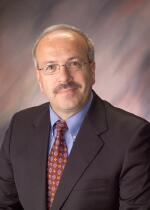
Dr. Larry Moreland is a board-certified rheumatologist and Chief of the Division of Rheumatology and Clinical Immunology at the University of Pittsburgh School of Medicine. In our "Meet the Specialist" series, we illuminate the distinct insights of various medical experts regarding their patient population and the rewarding yet challenging aspects of their daily practice.
As a seasoned rheumatologist, my daily work involves the comprehensive care of individuals grappling with conditions that primarily affect the joints, muscles, and bones. My patient roster frequently includes those diagnosed with complex autoimmune diseases such as rheumatoid arthritis, psoriatic arthritis, and lupus, alongside inflammatory conditions like gout. Over the past three decades of my career, I have witnessed remarkable advancements within the field of rheumatology, transitioning from an era with limited effective treatments to one where innovative medicines can significantly improve patients' quality of life, even leading to remission. This profound evolution makes my role deeply fulfilling, particularly as I cultivate enduring relationships with patients and positively influence their long-term health trajectories.
Why Rheumatology?
My journey into rheumatology was significantly shaped during my medical school years by a select group of physician mentors. These individuals embodied a holistic approach to patient care, particularly for those managing chronic diseases. They were rheumatologists who consistently demonstrated the profound importance of forging strong patient relationships, dedicating ample time to understand each patient's unique circumstances, and addressing their concerns with thoughtful consideration. Their unwavering compassion and steadfast dedication left an indelible impression on me, inspiring a desire to emulate their exemplary practice. This formative experience, coupled with positive clinical exposures treating arthritis during my training, solidified my commitment to this specialized field.
The intrinsic reward of building meaningful relationships with patients and assisting them in navigating all facets of their health continues to be a cornerstone of my practice today. A crucial element of managing chronic conditions involves guiding patients through necessary lifestyle modifications. For instance, many individuals develop gout as a direct consequence of lifestyle factors, such as dietary choices or excessive alcohol consumption. Gout, characterized by its capacity to induce severe joint pain and swelling, often presents significant management challenges.
Addressing these lifestyle factors can be particularly challenging, as it requires patients to adopt new habits and make difficult changes. Patients may struggle with altering established patterns, such as reducing alcohol intake or managing weight, which are often significant contributors to gout flares. However, I view this dynamic not as a directive relationship, but rather as a collaborative partnership. Recognizing that gout is a lifelong condition for many, my objective is to empower patients to achieve optimal control through a combination of healthy living and consistent medication adherence. This partnership approach is essential for relieving immediate symptoms and guiding them toward sustained control over their disease.
My Day-to-Day
My professional life is multifaceted, extending beyond direct patient care to encompass significant administrative and academic responsibilities. As a department chief at my hospital, a considerable portion of my time is dedicated to overseeing operational logistics, strategic planning, and managing the division's resources. In addition to these administrative duties, I am actively engaged in clinical research, contributing to the advancement of rheumatological knowledge and developing new treatment modalities. Furthermore, I am deeply committed to medical education, regularly teaching and mentoring aspiring physicians, including medical students, residents, and fellows who train alongside me in the clinic.
My clinical practice typically involves seeing patients three days a week. During these sessions, I generally consult with 8 to 10 individuals, a mix of both new patients seeking initial evaluations and established patients returning for ongoing management. This structure allows me to balance the demands of direct patient care with my broader contributions to the medical community through research and education. The varied nature of my responsibilities ensures that no two days are precisely alike, and I find immense satisfaction in the opportunity to wear several different professional "hats," each contributing to my overall mission of improving patient health and advancing the field of rheumatology.
Treating Gout
Managing gout can indeed present its complexities due to the unpredictable nature of flare-ups and the myriad factors that can trigger them. However, it is fortunate that the medical community now possesses a comprehensive array of effective treatment options designed to alleviate symptoms and prevent future attacks. The specific therapeutic approach is meticulously tailored to each patient, primarily determined by the severity of their symptoms and the frequency with which they experience gout flare-ups. This personalized strategy ensures that treatment aligns precisely with the individual's clinical needs, aiming for the most effective and sustainable outcome.
Following a patient's initial gout attack, a critical first step in our treatment protocol involves thorough education about the disease itself. This foundational discussion covers the underlying causes of gout, how to recognize its symptoms, and, crucially, the potential impact of lifestyle choices on its progression. We engage in detailed conversations about specific lifestyle modifications, such as dietary adjustments, hydration strategies, and the importance of weight management, all of which are instrumental in potentially preventing subsequent flare-ups. This proactive educational phase empowers patients with the knowledge they need to become active participants in their own health management.
If, however, a patient experiences recurrent attacks—typically more than one episode within a three- or four-month period—the most prudent course of action is to initiate daily therapeutic treatment. This regimen typically begins with a low dose of medication, which is then carefully and gradually increased as needed to achieve optimal control of uric acid levels, the primary driver of gout. After a few weeks, we meticulously evaluate the patient's progress and make any necessary adjustments to the treatment plan. I consistently emphasize to my patients the importance of a deliberate, step-by-step approach to treatment. Rushing the process, or proceeding without sufficient face-to-face interaction, can lead to complications and suboptimal outcomes. While finding the precise treatment plan may require several months and multiple appointments, my ultimate goal is to enable each patient to live a life fully in control of their gout, free from debilitating symptoms.
This patient-centered philosophy is paramount in the long-term management of chronic conditions such as gout. It underscores the necessity of continuous dialogue, patient engagement, and a flexible approach to medication and lifestyle adjustments. My commitment is to work collaboratively with each individual, ensuring they feel supported and informed throughout their treatment journey. By fostering this partnership, we collectively strive towards sustained symptom relief and an improved quality of life, allowing patients to confidently navigate their lives without the persistent burden of gout.
Last Updated: July 27, 2022
- Author
- Editorial Process
About The Author
Larry Moreland, MD
Larry Moreland, MD, is a board-certified rheumatologist with the University of Pittsburgh Medical Center and Chief of the Division of Rheumatology and Clinical Immunology at the University of Pittsburgh School of Medicine.
THIS CONTENT DOES NOT PROVIDE MEDICAL ADVICE. This content is provided for informational purposes and reflects the opinions of the author. It is not a substitute for professional medical advice, diagnosis or treatment. Always seek the advice of a qualified healthcare professional regarding your health. If you think you may have a medical emergency, contact your doctor immediately or call 911.
Original article: https://resources.healthgrades.com/right-care/gout/meet-the-rheumatologist-gout