The 4 Stages of Gout
The 4 Stages of Gout
Medically Reviewed By William C. Lloyd III, MD, FACS
— Written By Cindy Kuzma
Updated on September 22, 2021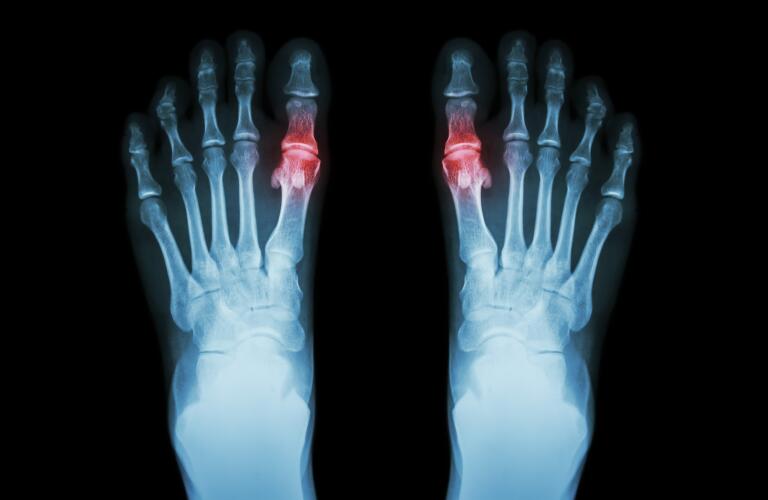
Getty
Gout, a distinct form of arthritis, is often recognized by its intensely painful, sudden attacks, most famously affecting the big toe. This particular inflammation of the big toe, clinically termed podagra, is a hallmark symptom, manifesting at some point in up to 80% of individuals diagnosed with gout. While the big toe is a common initial site, it's crucial to understand that gout is a progressive condition, advancing through distinct stages from its subtle biochemical origins to a more debilitating chronic state. Each stage presents unique challenges and requires specific considerations for management, highlighting the importance of understanding this disease's journey.
The progression of gout begins with the silent accumulation of uric acid in the bloodstream, eventually leading to the formation of crystals that precipitate in the joints, culminating in chronic inflammatory arthritis. Recognizing these stages is key to effective intervention and preventing long-term complications. This comprehensive overview will detail the specific events occurring at each phase of gout, providing valuable insights into how to manage the condition and effectively slow its progression, aiming to maintain joint health and overall well-being.
Stage 1: Asymptomatic Gout
Gout originates when the body's natural processes for managing uric acid become imbalanced, leading to an excessive buildup of this substance in the blood. Uric acid is a natural byproduct, formed when the body metabolizes purines—compounds abundant in our own tissues and certain dietary components. While an elevated level of uric acid, known as hyperuricemia, is the fundamental precursor to gout, it is important to note that not everyone with hyperuricemia will ultimately develop the disease. A complex interplay of genetic, lifestyle, and environmental factors influences whether this elevated uric acid will manifest as symptomatic gout.
Under normal physiological conditions, uric acid efficiently dissolves within the bloodstream, undergoes filtration by the kidneys, and is subsequently excreted through urine. However, in individuals predisposed to gout, this delicate balance is disrupted. This dysfunction can arise from various factors, including the consumption of a diet excessively rich in purines, found in foods such as organ meats, certain types of seafood, and particular vegetables like dried beans, mushrooms, and peas. Alternatively, the kidneys may simply fail to adequately remove uric acid from the body, regardless of dietary intake. During this initial asymptomatic stage, there are typically no noticeable symptoms, and often, no immediate treatment is prescribed; however, the ongoing accumulation of uric acid can still silently impact the body, potentially laying the groundwork for future complications.
Stage 2: Acute Gout
The transition from asymptomatic hyperuricemia to acute gout marks the onset of the characteristic painful attacks. During this stage, the excessive uric acid in the blood begins to crystallize, forming microscopic, needle-like structures of monosodium urate (MSU). These sharp crystals primarily accumulate within the synovial fluid and cartilage of joints, triggering a potent inflammatory response. While the big toe is the most frequently affected site, leading to the condition known as podagra, these painful crystals can also deposit in and inflame other joints, including the ankles, feet, knees, and wrists, causing significant discomfort and limiting mobility.
Acute gout flare-ups are notorious for their sudden and often dramatic onset, frequently striking without warning, even waking individuals from sleep due to intense pain. These attacks typically persist for days to several weeks, gradually subsiding as the body's inflammatory response resolves. Beyond the excruciating pain, an affected joint will commonly exhibit pronounced redness, significant swelling, and a palpable warmth to the touch, indicative of the severe inflammation. Various factors can trigger these acute attacks, including periods of heightened physical or emotional stress, concurrent illnesses, excessive alcohol consumption, or a diet high in purine-rich foods like certain meats and seafood. Prompt treatment during a flare-up is essential, not only to alleviate immediate pain but also to prevent potential permanent damage to the affected joint structure. Recommended immediate interventions include resting the joint, strictly avoiding alcohol, limiting animal proteins, and applying ice packs to the inflamed area to help reduce swelling and discomfort.
Stage 3: Interval or Intercritical Gout
Following an acute gout attack, individuals typically enter a period of remission known as interval or intercritical gout. This phase is characterized by a welcome absence of pain and other overt symptoms, often creating a false sense of resolution. This symptom-free interval can vary widely, lasting anywhere from several months to, in some cases, even many years, offering a seemingly calm respite after the intensity of a flare-up. However, it is crucial to recognize that despite the apparent tranquility, the underlying imbalance of uric acid often persists.
During this intercritical phase, uric acid may continue to accumulate in the bloodstream and within joint spaces, silently preparing for future attacks. This ongoing buildup, even without immediate symptoms, underscores the progressive nature of the disease and the critical importance of continued management. Therefore, consistent medical oversight is paramount. Individuals should maintain regular appointments with their healthcare provider, diligently adhere to prescribed dietary guidelines, ensure adequate hydration, and faithfully take any prescribed medications. For those who are overweight or obese, achieving and maintaining a healthy weight through gradual, sustained efforts can significantly contribute to lowering uric acid levels and substantially reducing the risk of future gout attacks, thereby interrupting the disease's advancement.
Stage 4: Chronic Tophaceous Gout
Chronic tophaceous gout represents the most advanced and potentially debilitating stage of the disease, typically emerging after many years of inadequately managed or untreated gout, often taking a decade or more to develop. By this stage, the persistent elevation of uric acid has led to widespread and irreversible damage throughout the body, signifying a profound progression of the condition. Individuals at this stage may experience continuous joint aching and soreness, mimicking the chronic symptoms observed in other forms of arthritis, as the inflammation and structural changes in the joints become persistent rather than episodic.
A defining characteristic of chronic tophaceous gout is the development of tophi—visible, palpable nodules composed of solidified uric acid crystals. These deposits accumulate in the soft tissues surrounding joints, commonly appearing on fingers, elbows, ears, and toes, and can sometimes erupt through the skin, leading to infection or further complications. Beyond joint involvement, the unchecked accumulation of uric acid can cause significant damage to bone structure, leading to deformities and impaired joint function. Furthermore, uric acid can precipitate in the kidneys, leading to the formation of painful kidney stones and, if left unaddressed, can progressively impair kidney function, potentially leading to chronic kidney disease. Managing chronic tophaceous gout requires a comprehensive, sustained approach to prevent further irreversible damage and improve the patient's quality of life.
Stop Gout Before It Strikes Again
Proactive lifestyle modifications are a cornerstone in preventing recurrent gout attacks and effectively slowing the disease's progression. These adjustments focus on managing uric acid levels through dietary choices and overall health habits. Your healthcare provider will likely offer tailored recommendations based on your individual needs and the severity of your condition. A key dietary change involves reducing the intake of purine-rich foods. This might mean consuming one fewer portion of red meat or certain types of seafood per day, as these are known contributors to uric acid buildup.
Furthermore, choices regarding alcohol consumption play a significant role. Opting for wine over beer, or ideally, abstaining from alcohol completely, can help mitigate the risk of flare-ups, as alcohol, particularly beer, is known to elevate uric acid levels. Interestingly, incorporating low-fat dairy products, such as a glass of skim milk daily, has been shown to have a protective effect by appearing to lower uric acid levels in some individuals. Beyond lifestyle, medical interventions are crucial. Anti-inflammatory medications and corticosteroids are commonly prescribed to effectively treat the acute symptoms and inflammation during gout attacks. Moreover, your doctor may prescribe newer medications specifically designed to reduce the overall amount of uric acid circulating in your blood, thereby targeting the root cause of gout and preventing future crystal formation and attacks.
View Sources
- Gout. American Academy of Family Physicians. http://familydoctor.org/familydoctor/en/diseases-conditions/gout.html
- Gout. National Institute of Health Senior Health. http://nihseniorhealth.gov/gout/whatisgout/01.html
- Gout. Centers for Disease Control and Prevention (http://www.cdc.gov/arthritis/basics/gout.htm)
- FDA Approves New Drug for Gout 2010. U.S. Food and Drug Administration. http://www.fda.gov/NewsEvents/Newsroom/PressAnnouncements/ucm225810.htm
- What is Gout? Fast Facts. National Institute of Arthritis and Musculoskeletal and Skin Diseases. http://www.niams.nih.gov/Health_Info/Gout/gout_ff.asp
- Gout. American College of Rheumatology. http://www.rheumatology.org/I-Am-A/Patient-Caregiver/Diseases-Conditions/Gout
Original article: https://resources.healthgrades.com/right-care/gout/the-4-stages-of-gout