Gout: Symptoms, Causes, and Treatment

Gout
Overview
Gout represents a widespread and intricate manifestation of arthritis that can impact individuals from all walks of life. This condition is primarily characterized by the sudden onset of intensely painful attacks, accompanied by significant swelling, redness, and tenderness in one or more joints. While gout can affect various joints throughout the body, it most frequently targets the joint at the base of the big toe. Understanding its nature is crucial, as early recognition and management are key to mitigating its debilitating effects and preventing long-term complications.
An acute gout attack often strikes without warning, frequently disrupting sleep as individuals awaken to the sensation of their big toe being intensely aflame. The affected joint becomes remarkably hot to the touch, visibly swollen, and exceptionally tender, reaching a point where even the slight pressure of a bedsheet can seem unbearable. Though the symptoms of gout can be episodic, appearing and subsiding, effective strategies exist to manage these painful flares and implement preventative measures to reduce their frequency and severity over time.
Symptoms
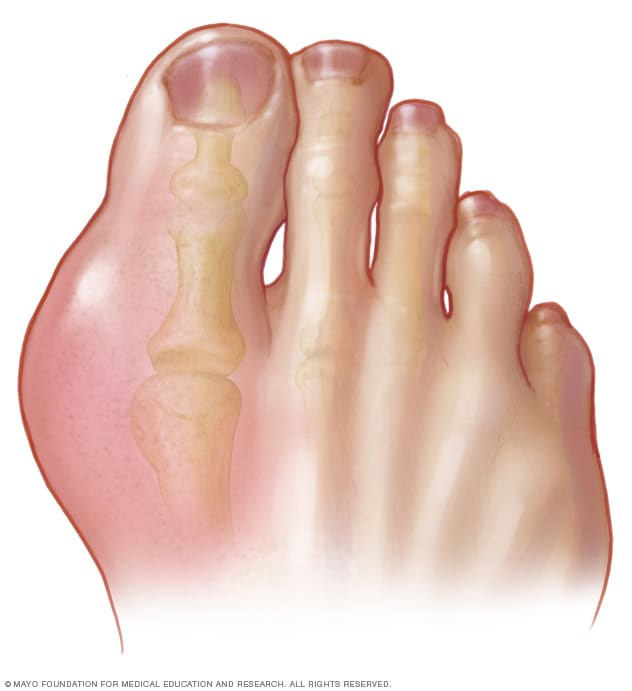
Gout is recognized by its ability to induce severe pain and pronounced swelling around one or more joints. The big toe's foundational joint is the most common site for a gout flare, often serving as the initial indicator of the condition. However, it is important to acknowledge that gout can manifest in any joint, including the ankles, knees, elbows, wrists, and fingers, necessitating a comprehensive assessment to correctly identify its presence.
The characteristic signs and symptoms of gout typically emerge with suddenness, often beginning during the night. The intense joint pain is a hallmark feature, usually reaching its peak severity within the first four to twelve hours of onset. This pain is not merely discomfort; it is often described as excruciating, making normal movement or even slight pressure on the affected area intolerable. The rapid escalation of pain is a distinguishing feature that often prompts individuals to seek urgent medical attention.
Following the subsidence of the most intense pain, a lingering discomfort often persists for several days to a few weeks. This residual tenderness and soreness can still impede daily activities, though less severely than the initial acute attack. Over time, successive gout attacks tend to last longer and may involve a greater number of joints, indicating a progression of the disease. This emphasizes the importance of ongoing management to prevent the condition from escalating and impacting broader joint function.
Beyond pain, prominent inflammation and redness are consistent indicators of a gout attack. The affected joint or joints become visibly swollen, warm to the touch, and take on a distinct reddish or purplish hue. This inflammatory response is the body's reaction to the underlying crystalline deposits, contributing significantly to the overall discomfort and visual presentation of the condition. Recognizing these signs early can aid in prompt diagnosis and treatment.
As gout advances without adequate treatment, individuals may experience a gradual or sometimes significant limitation in their range of motion within the affected joints. The recurrent inflammation and crystal deposition can lead to structural changes within the joint, impairing its normal flexibility and function. This progressive stiffness can profoundly impact mobility and quality of life, underscoring the critical need for sustained medical intervention to preserve joint health and mobility.
When to Seek Medical Attention
Should you experience a sudden onset of intense pain in any joint, it is imperative to contact your physician promptly. Untreated gout carries the risk of escalating pain and can ultimately lead to irreversible joint damage, compromising long-term mobility and function. Moreover, it is crucial to seek immediate medical care if you develop a fever in conjunction with a hot and inflamed joint, as these symptoms could indicate an infection, which requires urgent diagnostic evaluation and treatment to prevent serious complications.
Causes
Gout develops when urate crystals accumulate within a joint, precipitating the profound inflammation and intense pain characteristic of a gout attack. These urate crystals form as a direct consequence of elevated uric acid levels in the bloodstream. Uric acid is a natural byproduct created when the body metabolizes purines, which are organic compounds found in every cell of the human body and in many foods.
Purines are present in various dietary sources, notably in red meat and organ meats such as liver. Specific seafood, including anchovies, sardines, mussels, scallops, trout, and tuna, are also notably rich in purines. Furthermore, certain beverages play a significant role in increasing uric acid levels; alcoholic drinks, particularly beer, and those sweetened with high concentrations of fruit sugar (fructose) are known to promote higher uric acid production within the body, thereby heightening the risk of gout.
Under normal physiological conditions, uric acid efficiently dissolves in the blood and is subsequently filtered by the kidneys, exiting the body through urine. However, this delicate balance can be disrupted. In some cases, the body may produce an excessive amount of uric acid, overwhelming the kidneys' excretory capacity. Alternatively, the kidneys may excrete an insufficient amount of uric acid, leading to its systemic buildup. When either scenario occurs, uric acid concentrations rise, facilitating the formation of sharp, needle-like urate crystals within joints or surrounding tissues, which then trigger the characteristic pain, inflammation, and swelling associated with a gout attack.
Risk Factors
The likelihood of developing gout significantly increases with elevated levels of uric acid in the body. A variety of factors contribute to an increase in uric acid concentrations, thereby heightening an individual's susceptibility to this painful form of arthritis. Understanding these risk factors is crucial for prevention and effective management strategies, allowing individuals and healthcare providers to proactively address potential triggers and reduce the incidence of gout flares.
Dietary choices play a substantial role in influencing uric acid levels and, consequently, the risk of gout. A diet abundant in red meat and shellfish contributes to higher purine intake, directly elevating uric acid production. Similarly, consuming beverages sweetened with fruit sugar, or fructose, is linked to an increased risk of gout. Furthermore, alcohol consumption, especially beer, is a known contributor to elevated uric acid, underscoring the importance of moderation or avoidance in susceptible individuals.
Body weight is another critical factor. Individuals who are overweight or obese tend to produce more uric acid in their bodies. Concurrently, their kidneys often face greater difficulty in efficiently eliminating this excess uric acid. This dual mechanism—increased production and impaired excretion—creates a heightened risk environment for urate crystal formation and subsequent gout attacks, emphasizing the benefits of maintaining a healthy weight for overall joint health.
Several medical conditions are recognized to increase the risk of developing gout. These include chronic conditions such as untreated high blood pressure, diabetes, obesity, and metabolic syndrome, all of which are associated with dysregulated uric acid metabolism. Furthermore, individuals with underlying heart and kidney diseases are at an increased risk, largely because impaired kidney function directly affects the body's ability to excrete uric acid, leading to its accumulation in the bloodstream.
Certain medications can also influence uric acid levels and elevate gout risk. Low-dose aspirin is one such example, known to sometimes interfere with uric acid excretion. Additionally, some common medications prescribed for hypertension, including thiazide diuretics, angiotensin-converting enzyme (ACE) inhibitors, and beta blockers, can lead to increased uric acid levels. Anti-rejection drugs, vital for individuals who have undergone organ transplants, also carry a risk of raising uric acid, necessitating careful monitoring in these patients.
A discernible family history of gout significantly increases an individual's predisposition to the disease. If other members of your family have experienced gout, it indicates a genetic component that may influence your body's ability to process uric acid, making you more susceptible to developing the condition yourself. This genetic link suggests that a hereditary factor plays a role in the metabolic pathways involved in uric acid regulation and crystal formation.
Age and sex are prominent demographic risk factors for gout. The condition is observed more frequently in men, primarily because women typically maintain lower uric acid levels throughout their reproductive years. However, following menopause, women's uric acid levels tend to rise, approaching those of men, which increases their risk. Men also tend to develop gout earlier in life, commonly between the ages of 30 and 50, whereas women generally experience the onset of signs and symptoms after menopause.
Experiencing recent surgery or significant physical trauma can sometimes act as a trigger for a gout attack. The physiological stress induced by these events can temporarily alter the body's metabolic balance, leading to a spike in uric acid levels or a change in its solubility, thereby precipitating crystal formation. In some individuals, even receiving a vaccination has been reported to induce a gout flare, highlighting the body's systemic response to various forms of stress or immune activation.
Complications
If left unmanaged, gout can progress to more severe conditions, significantly impacting an individual's health and quality of life. Understanding these potential complications underscores the importance of consistent treatment and lifestyle modifications. Early intervention and ongoing adherence to medical advice are crucial in preventing the long-term, debilitating effects that can arise from untreated or poorly managed gout, preserving joint function and overall well-being.
Recurrent gout is a common and challenging complication for many individuals. While some may experience only a single gout attack and never face its symptoms again, others endure multiple flares annually, creating a pattern of chronic pain and disruption. Fortunately, specific medications are available that can effectively help prevent these recurrent attacks, providing much-needed relief and stability. If recurrent gout remains untreated, the persistent inflammation and crystal deposition can lead to irreversible erosion and substantial destruction of the affected joints, severely impairing mobility.
Untreated gout can also lead to the formation of advanced gout manifestations known as tophi (TOE-fie). These are deposits of urate crystals that aggregate under the skin, forming noticeable nodules. Tophi can develop in various anatomical locations, including the fingers, hands, feet, elbows, or along the Achilles tendons at the back of the ankles. While tophi are typically not painful on their own, they can become inflamed, swollen, and tender during acute gout attacks, causing additional discomfort and potentially affecting joint function.
Another significant complication for individuals with gout is the increased risk of developing kidney stones. Urate crystals, the same substances that cause joint inflammation, can also accumulate within the urinary tracts. These crystal formations can coalesce to form kidney stones, which can cause severe pain, urinary obstruction, and potentially lead to kidney damage if not addressed. Fortunately, specific medications are available that can help reduce the risk of kidney stone formation by improving uric acid excretion and preventing its crystallization in the urinary system.
References
- Gout. Centers for Disease Control and Prevention. https://www.cdc.gov/arthritis/basics/gout.html. Accessed Dec. 23, 2020.
- Goldman L, et al., eds. Crystal deposition diseases. In: Goldman-Cecil Medicine. 26th ed. Elsevier; 2020. https://www.clinicalkey.com. Accessed Dec. 23, 2020.
- Ferri FF. Gout. In: Ferri's Clinical Advisor 2021. Elsevier; 2021. https://www.clinicalkey.com. Accessed Dec. 23, 2020.
- Gout. American College of Rheumatology. https://www.rheumatology.org/I-Am-A/Patient-Caregiver/Diseases-Conditions/Gout. Accessed Dec. 23, 2020.
- Caffo AL. Clinical manifestations and diagnosis of gout. https://www.uptodate.com/contents/search. Accessed Dec. 23, 2021.
- AskMayoExpert. Gout or pseudogout (adult). Mayo Clinic. 2020.
- Gloperba prescribing information. U.S. Food and Drug Administration. https://www.accessdata.fda.gov/scripts/cder/daf/index.cfm?event=overview.process&ApplNo=210942. Accessed Jan. 21, 2021.
- Perez-Ruiz F. Pharmacologic urate-lowering therapy and treatment of topic in patients with gout. https://www.uptodate.com/contents/search. Accessed Dec. 23, 2021.
- FitzGerald JD, et al. 2020 American College of Rheumatology guideline for the management of gout. Arthritis Care & Research. 2020; doi:10.1002/acr.24180.
- Medical review (expert opinion). Mayo Clinic. Jan. 22, 2021.
Original written by from https://www.mayoclinic.org/diseases-conditions/gout/symptoms-causes/syc-20372897