SGLT2 Inhibitors Lower Need for Gout Therapy in Patients With Type 2 Diabetes
New Hope for Gout Sufferers with Type 2 Diabetes: SGLT2 Inhibitors Show Promise
Gout, a painful form of inflammatory arthritis, can significantly impact quality of life. For individuals also managing type 2 diabetes, the challenges can be even greater. Now, emerging research offers a glimmer of hope: a class of diabetes medications called SGLT2 inhibitors may reduce the need for traditional gout therapies.
What are SGLT2 Inhibitors?
Sodium-glucose cotransporter-2 (SGLT2) inhibitors are a class of medications primarily used to treat type 2 diabetes. They work by preventing the kidneys from reabsorbing glucose (sugar) back into the blood. This excess glucose is then eliminated through urine, effectively lowering blood sugar levels. Common examples of SGLT2 inhibitors include canagliflozin (Invokana), dapagliflozin (Farxiga), and empagliflozin (Jardiance).
The Link Between SGLT2 Inhibitors and Gout
Recent findings presented at the American College of Rheumatology (ACR) Convergence 2024 suggest that SGLT2 inhibitors may have a beneficial effect on gout. The study revealed that patients with both gout and type 2 diabetes who were taking SGLT2 inhibitors needed less urate-lowering therapy (ULT) and experienced fewer gout flares.
Gout is caused by hyperuricemia, a condition where there's too much uric acid in the blood. This uric acid can form crystals in the joints, leading to painful inflammation. Urate-lowering therapies aim to reduce the uric acid levels in the body, preventing crystal formation and subsequent gout attacks.
While the exact mechanism is still being investigated, it's believed that SGLT2 inhibitors influence uric acid levels by promoting its excretion through the kidneys. This reduction in uric acid can then lessen the risk of gout flares and potentially decrease the reliance on other medications like allopurinol or febuxostat (urate-lowering therapies) and colchicine (used to treat acute gout attacks).
Key Findings of the Study
The study highlighted several important points:
- Reduced Need for Urate-Lowering Therapy: Patients on SGLT2 inhibitors were less likely to require urate-lowering medications to manage their gout.
- Fewer Gout Flare Treatments: These individuals also experienced fewer gout flares, indicating a potential reduction in overall disease activity.
- Lower Hazard Ratio for Gout-Related Medical Visits: The study also noted a slightly lower hazard ratio for gout-related medical visits compared to patients using GLP1-receptor agonists (another class of diabetes medication), suggesting potentially fewer hospitalizations or doctor's visits related to gout.
What This Means for People with Gout and Type 2 Diabetes
These findings are encouraging for individuals managing both gout and type 2 diabetes. While SGLT2 inhibitors are primarily prescribed for diabetes, their potential benefits in gout management could influence treatment strategies.
Important Considerations:
Talk to Your Doctor: It's crucial to discuss these findings with your doctor before making any changes to your medication regimen. SGLT2 inhibitors are not suitable for everyone, and your doctor can determine if they are appropriate for you based on your individual health profile and other medications you may be taking.
Not a Replacement for Established Therapies: SGLT2 inhibitors should not be considered a replacement for established gout treatments without consulting your doctor. They may be used in conjunction with other therapies to optimize gout management.
Lifestyle Modifications Remain Crucial: Regardless of medication use, lifestyle modifications remain essential for managing gout. These include maintaining a healthy weight, limiting alcohol consumption (especially beer and sugary drinks), avoiding foods high in purines (such as red meat and organ meats), and staying well-hydrated.

Practical Steps to Manage Gout
Beyond medication, here are some practical steps you can take to manage gout and reduce the frequency of flares:
- Hydration: Drink plenty of water throughout the day to help flush uric acid from your system. Aim for at least eight glasses of water daily.
- Dietary Changes: Limit your intake of high-purine foods, sugary drinks, and alcohol. Focus on a diet rich in fruits, vegetables, and whole grains.
- Maintain a Healthy Weight: Obesity increases the risk of gout. Losing even a small amount of weight can make a significant difference.
- Manage Stress: Stress can trigger gout flares. Practice relaxation techniques such as yoga, meditation, or deep breathing exercises.
- Regular Exercise: Engage in regular physical activity to maintain a healthy weight and improve overall health. Choose low-impact exercises like swimming, walking, or cycling.
- Monitor Uric Acid Levels: Work with your doctor to monitor your uric acid levels regularly and adjust your treatment plan as needed.
These findings about SGLT2 inhibitors offer a promising avenue for improving the lives of individuals living with both gout and type 2 diabetes. By working closely with your healthcare provider and adopting a healthy lifestyle, you can effectively manage gout and minimize its impact on your well-being.
Take Control of Your Gout with AI Technology
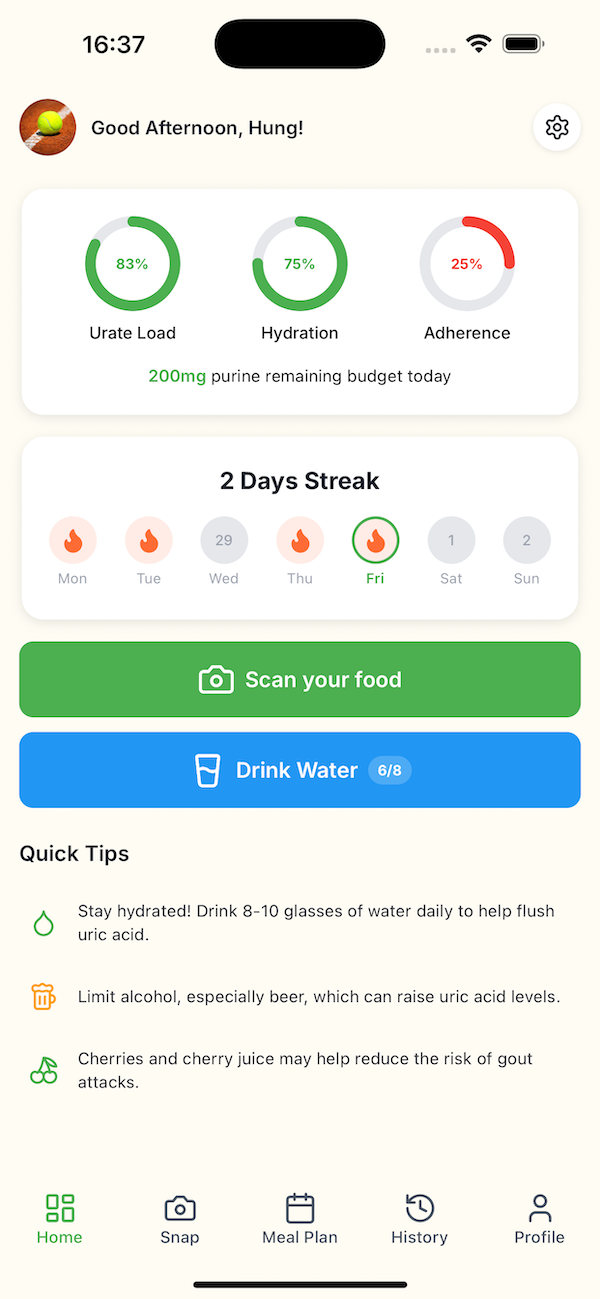
Managing gout doesn't have to be complicated. GoutSnap AI is a revolutionary mobile app that uses artificial intelligence to analyze your food in real-time and help you make better dietary choices.
Simply snap a photo of your meal, and our AI instantly identifies high-purine foods that could trigger gout attacks. Get personalized recommendations, track your diet history, and prevent flare-ups before they happen.
Key Features:
- 📸 Instant Food Analysis - Take a photo and get immediate purine content information
- 🍽️ Dietary Tracking - Monitor your daily purine intake effortlessly
- 💡 Smart Recommendations - Receive AI-powered suggestions for gout-friendly alternatives
- 📊 Health Insights - Track patterns and identify your personal triggers
There are a few mobile apps for health, diet and manage gout. However, a several thousand of users has concluded that GoutSnap AI is successfully managing their gout with the power of AI.