Management of gout in chronic kidney disease: a G-CAN Consensus Statement on the research priorities - Nature Reviews Rheumatology
Gout and Kidney Disease: Understanding the Connection and Charting a Course Forward
Gout, a painful form of inflammatory arthritis, and chronic kidney disease (CKD) often occur together. This combination presents unique challenges for both patients and healthcare providers. When your kidneys aren't functioning properly, they can't effectively remove uric acid from the body. Uric acid is a natural byproduct of the breakdown of purines, substances found in many foods and also produced by the body. When uric acid levels rise too high, crystals can form in the joints, leading to gout attacks.
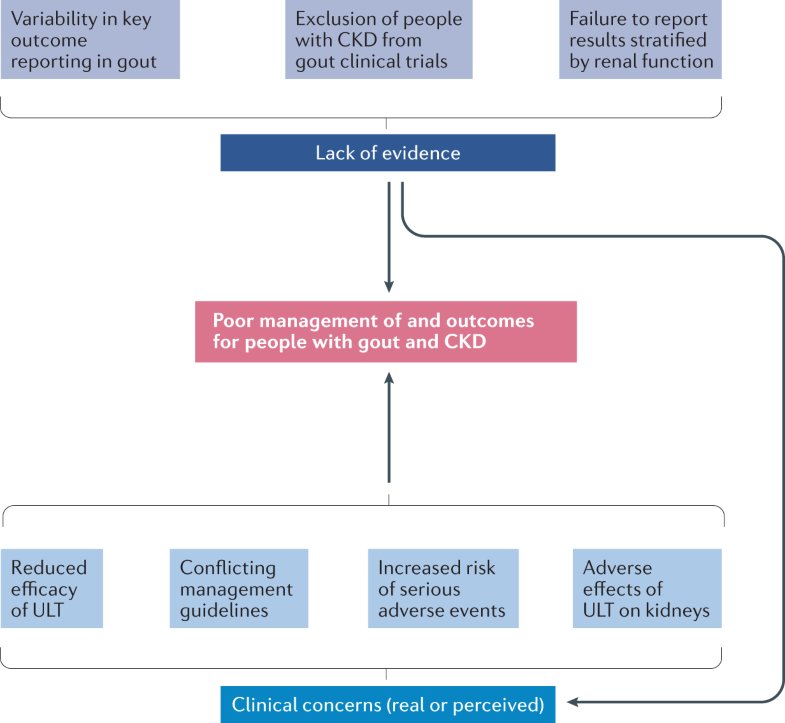
While the link between gout and CKD is well-established, finding the best way to manage gout in individuals with CKD remains an area of ongoing research. Conflicting recommendations from different medical organizations have unfortunately led to confusion among doctors about how to best treat these patients. To address this, the Gout, Hyperuricemia and Crystal-Associated Disease Network (G-CAN) has issued a Consensus Statement, analyzing existing research and highlighting key areas where further investigation is urgently needed.
The G-CAN consensus statement isn't a guideline for treating gout and CKD. Instead, it's a detailed assessment of available studies regarding the safety and effectiveness of gout medications. This analysis pinpoints significant gaps in our knowledge, paving the way for future research to improve patient care.
Why is Managing Gout with CKD So Complex?
Managing gout in the context of CKD is complex for several reasons:
- Medication Safety: Many medications commonly used to treat gout are processed by the kidneys. With impaired kidney function, the risk of side effects from these medications can increase. Dosage adjustments are often needed, requiring careful monitoring by your doctor.
- Urate-Lowering Therapy (ULT): ULT, like allopurinol or febuxostat, is essential to lower uric acid levels and prevent future gout attacks. However, initiating and managing ULT in patients with advanced CKD requires extra caution and close monitoring of kidney function.
- Limited Evidence: High-quality studies specifically designed to investigate gout management in people with CKD are lacking. This makes it difficult to confidently recommend specific treatment strategies.
Current Strategies and Research Directions
Although definitive guidelines are still evolving, current gout management in patients with CKD typically involves:
Lifestyle Modifications: Diet plays a crucial role. Reducing purine intake is important. Foods high in purines include red meat, organ meats, and some seafood. Limiting alcohol, especially beer, and sugary drinks is also beneficial. Staying well-hydrated helps the kidneys flush out uric acid.
Medications for Acute Gout Flares: Medications like NSAIDs (nonsteroidal anti-inflammatory drugs), colchicine, or corticosteroids are used to relieve pain and inflammation during acute gout attacks. However, NSAIDs should be used with extreme caution or avoided in patients with CKD, as they can further damage kidney function. Colchicine dosages need to be adjusted significantly in individuals with impaired kidney function, due to the risk of toxicity. Corticosteroids may be a safer option but also have their own set of potential side effects.
Urate-Lowering Therapy (ULT): Once a gout flare has subsided, urate-lowering therapy is typically initiated to prevent future attacks. Allopurinol is often the first-line ULT. The starting dose must be very low in people with CKD, and gradually increased under close medical supervision. Febuxostat is another ULT option, but its safety in advanced CKD is still being investigated. Probenecid, a medication that helps the kidneys excrete uric acid, is generally not recommended in people with significant kidney impairment.
Monitoring Kidney Function: Regular monitoring of kidney function is crucial in people with gout and CKD. This allows doctors to adjust medications as needed and detect any potential kidney damage early.
Future research priorities identified by the G-CAN Consensus Statement include:
- Developing safer and more effective gout medications for people with CKD.
- Identifying optimal strategies for initiating and managing ULT in patients with advanced CKD.
- Conducting clinical trials to evaluate the long-term effects of different gout treatments on kidney function.
- Investigating the role of dietary interventions and lifestyle modifications in managing gout in people with CKD.
Take Control of Your Gout with AI Technology
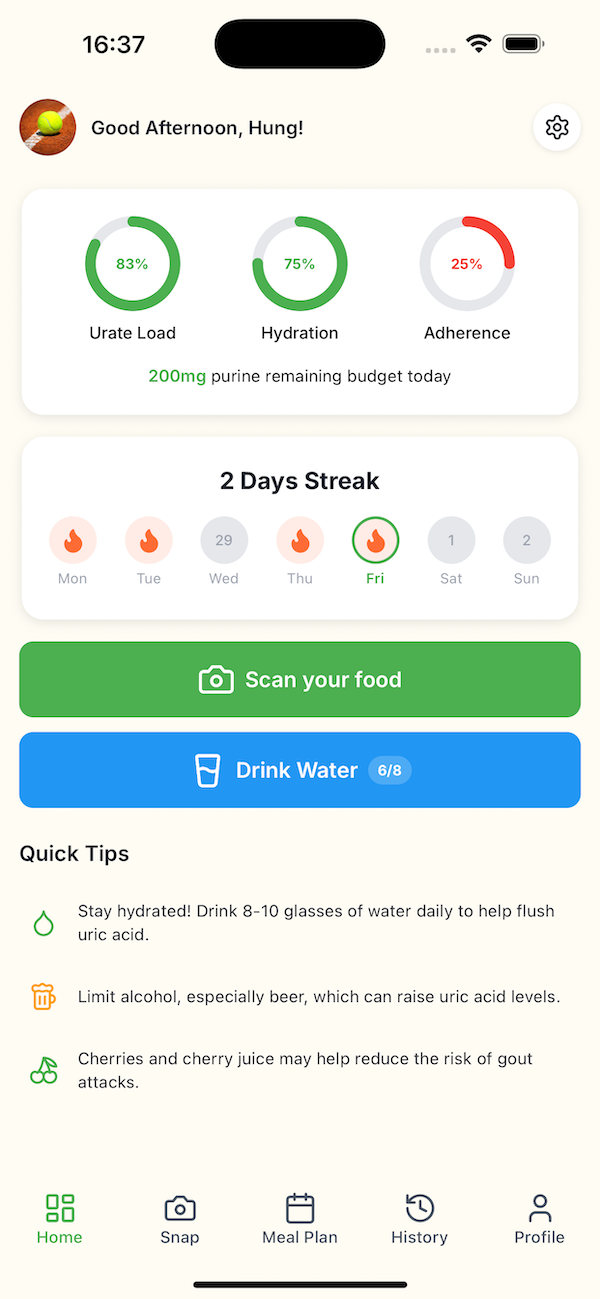
Managing gout doesn't have to be complicated. GoutSnap AI is a revolutionary mobile app that uses artificial intelligence to analyze your food in real-time and help you make better dietary choices.
Simply snap a photo of your meal, and our AI instantly identifies high-purine foods that could trigger gout attacks. Get personalized recommendations, track your diet history, and prevent flare-ups before they happen.
Key Features:
- 📸 Instant Food Analysis - Take a photo and get immediate purine content information
- 🍽️ Dietary Tracking - Monitor your daily purine intake effortlessly
- 💡 Smart Recommendations - Receive AI-powered suggestions for gout-friendly alternatives
- 📊 Health Insights - Track patterns and identify your personal triggers
There are a few mobile apps for health, diet and manage gout. However, a several thousand of users has concluded that GoutSnap AI is successfully managing their gout with the power of AI.