Gout Management: Strategies for Improving Quality of Life
Managing Gout: Strategies for a Better Quality of Life
Gout is a painful form of inflammatory arthritis caused by a buildup of uric acid crystals in the joints. These crystals, made of monosodium urate monohydrate, most commonly settle in the big toe, knees, and fingers, leading to intense pain and inflammation. Living with gout can significantly impact your quality of life, but understanding the condition and adopting effective management strategies can make a real difference.
Understanding the Risk Factors
Several factors can increase your risk of developing gout:
- Genetics: A family history of gout is a significant risk factor. Researchers have identified specific altered genes that can contribute to the condition. If gout runs in your family, you may be more susceptible.
- Comorbidities: Certain medical conditions like diabetes, obesity, and kidney disease are linked to a higher risk of gout. Managing these conditions is crucial for overall health and gout prevention.
- Medications: Some medications, including diuretics (water pills), low-dose aspirin, cyclosporine, ethambutol, and pyrazinamide, can alter uric acid levels and increase the risk of gout. Discuss your medications with your doctor to understand their potential impact.
- Dietary Factors: Diet plays a significant role in gout management. We'll explore this further below.
- Physical Stress: Illnesses, surgeries, trauma, dehydration, or starvation can trigger gout flare-ups. Maintaining good health and avoiding extreme physical stress can help.
Gout's Impact on Quality of Life
Gout can be incredibly debilitating. Historically, it's been called "the unwalkable disease" due to the severe pain and inflammation that limits mobility and makes daily activities difficult. The pain can be so intense that immobilization is necessary during flares. This physical limitation can also affect mental and emotional well-being, leading to depressive symptoms and anxiety.
Furthermore, the inactivity caused by gout flares can increase the risk of other health problems like hypertension, cardiovascular disease, diabetes, depression, and anxiety. The longer you have gout, the more tophi (urate crystal deposits) you have, and the more frequent and intense your flares are, the greater the impact on your overall well-being. Access to quality healthcare and the use of certain medications like colchicine and corticosteroids can also influence your quality of life.
Dietary Management: A Key Strategy

Dietary changes are a cornerstone of gout management. While diet alone may not completely eliminate gout, it can significantly reduce uric acid levels and the frequency of flare-ups.
Following the Mediterranean diet is highly recommended.
Foods to Limit or Avoid:
- High-Purine Foods: Purines break down into uric acid. Limit or avoid foods high in purines, such as:
- Red meat (beef, lamb, pork)
- Organ meats (liver, kidneys, sweetbreads)
- Certain seafood (anchovies, sardines, herring, mussels, scallops, trout)
- High-fructose corn syrup sweetened beverages
- Alcohol: Alcohol, especially beer, can increase uric acid production and decrease its excretion. Limit alcohol consumption or avoid it altogether.
Foods to Emphasize:
- Low-Purine Foods: Focus on a diet rich in low-purine foods, such as:
- Fruits and vegetables
- Whole grains
- Low-fat dairy products
- Legumes (in moderation)
- Water: Drink plenty of water to help flush uric acid from your system. Aim for at least eight glasses of water a day.
- Cherries: Some studies suggest that cherries and cherry extract may help lower uric acid levels and reduce inflammation.
Actionable Advice:
- Hydrate: Carry a water bottle and sip throughout the day.
- Read Labels: Pay attention to the ingredients list and avoid products high in fructose corn syrup.
- Plan Your Meals: Preparing meals at home allows you to control the ingredients and portion sizes.
- Consult a Dietitian: A registered dietitian can help you develop a personalized meal plan that meets your specific needs and preferences.
Take Control of Your Gout with AI Technology
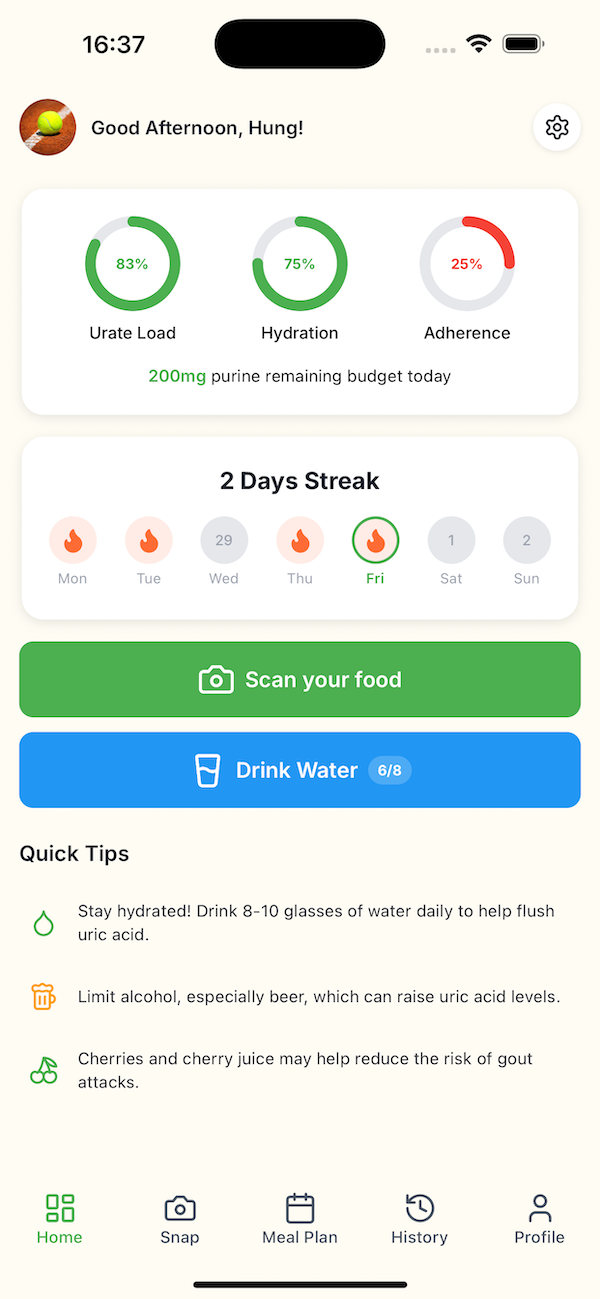
Managing gout doesn't have to be complicated. GoutSnap AI is a revolutionary mobile app that uses artificial intelligence to analyze your food in real-time and help you make better dietary choices.
Simply snap a photo of your meal, and our AI instantly identifies high-purine foods that could trigger gout attacks. Get personalized recommendations, track your diet history, and prevent flare-ups before they happen.
Key Features:
- 📸 Instant Food Analysis - Take a photo and get immediate purine content information
- 🍽️ Dietary Tracking - Monitor your daily purine intake effortlessly
- 💡 Smart Recommendations - Receive AI-powered suggestions for gout-friendly alternatives
- 📊 Health Insights - Track patterns and identify your personal triggers
There are a few mobile apps for health, diet and manage gout. However, a several thousand of users has concluded that GoutSnap AI is successfully managing their gout with the power of AI.