Following ‘Treat to Target’ in Gout Can Reduce the Risk of Flares by More than 70%
Take Control of Your Gout: The Power of "Treat-to-Target"
Gout, characterized by sudden and excruciating joint pain, often in the big toe, can significantly impact your quality of life. But what if you could dramatically reduce the risk of these painful flares? Emerging research highlights the effectiveness of a "treat-to-target" approach in gout management. This strategy focuses on actively lowering and maintaining uric acid levels in the blood, leading to a significant reduction in flare-ups.
Understanding Uric Acid and Gout Flares
Gout is caused by a buildup of uric acid in the body. Uric acid is a natural byproduct of metabolism, formed when the body breaks down purines, substances found in many foods and drinks. When uric acid levels become too high, crystals can form and accumulate in the joints, triggering inflammation and intense pain during a gout flare.
The Treat-to-Target Approach
The "treat-to-target" strategy involves:
- Setting a Target: Working with your doctor to establish a specific target uric acid level, typically below 6 mg/dL (milligrams per deciliter).
- Medication Adjustment: Your doctor will adjust your medication (usually a uric acid-lowering drug like allopurinol) until you consistently reach your target uric acid level.
- Regular Monitoring: Routine blood tests to monitor your uric acid levels and ensure you stay within the target range.
The beauty of this approach lies in its proactive nature. Instead of simply treating flares as they occur, "treat-to-target" addresses the underlying cause of gout – high uric acid levels – to prevent future attacks.
Why "Treat-to-Target" Works
Research strongly suggests that adhering to a "treat-to-target" approach can significantly reduce the frequency and severity of gout flares. Studies have shown a greater than 70% reduction in flare risk compared to those who take uric acid-lowering medication without actively aiming for a specific target level.
Think of it like maintaining the water level in a pool. If the water level is too high, it overflows (a gout flare!). "Treat-to-target" is like adjusting the drain to keep the water level consistently at the optimal point, preventing overflows from happening in the first place.
Beyond Medication: Lifestyle and Diet
While medication plays a crucial role in lowering uric acid, lifestyle and dietary modifications can also contribute significantly to gout management.
Dietary Tips for Lowering Uric Acid
- Limit Purine-Rich Foods: Reduce your intake of foods high in purines, such as red meat (especially organ meats), seafood (especially shellfish and anchovies), and beer.
- Choose Low-Fat Dairy: Opt for low-fat or fat-free dairy products, which have been shown to have a protective effect against gout.
- Stay Hydrated: Drink plenty of water to help your kidneys flush out excess uric acid.
- Limit Sugary Drinks: Fructose-sweetened beverages can increase uric acid production.
Other Lifestyle Factors
- Maintain a Healthy Weight: Obesity is a risk factor for gout. Losing weight can help lower uric acid levels.
- Limit Alcohol Consumption: Alcohol, particularly beer, can raise uric acid levels.
- Regular Exercise: Engaging in regular physical activity can help improve overall health and potentially lower uric acid levels.

Partnering with Your Doctor
Gout management is a collaborative effort. Work closely with your doctor to develop a personalized treatment plan that incorporates the "treat-to-target" approach, medication, and lifestyle modifications. Regular check-ups and monitoring of uric acid levels are essential to ensure you stay on track and minimize the risk of future flares. By taking a proactive approach to your gout, you can regain control and live a more comfortable, pain-free life.
Take Control of Your Gout with AI Technology
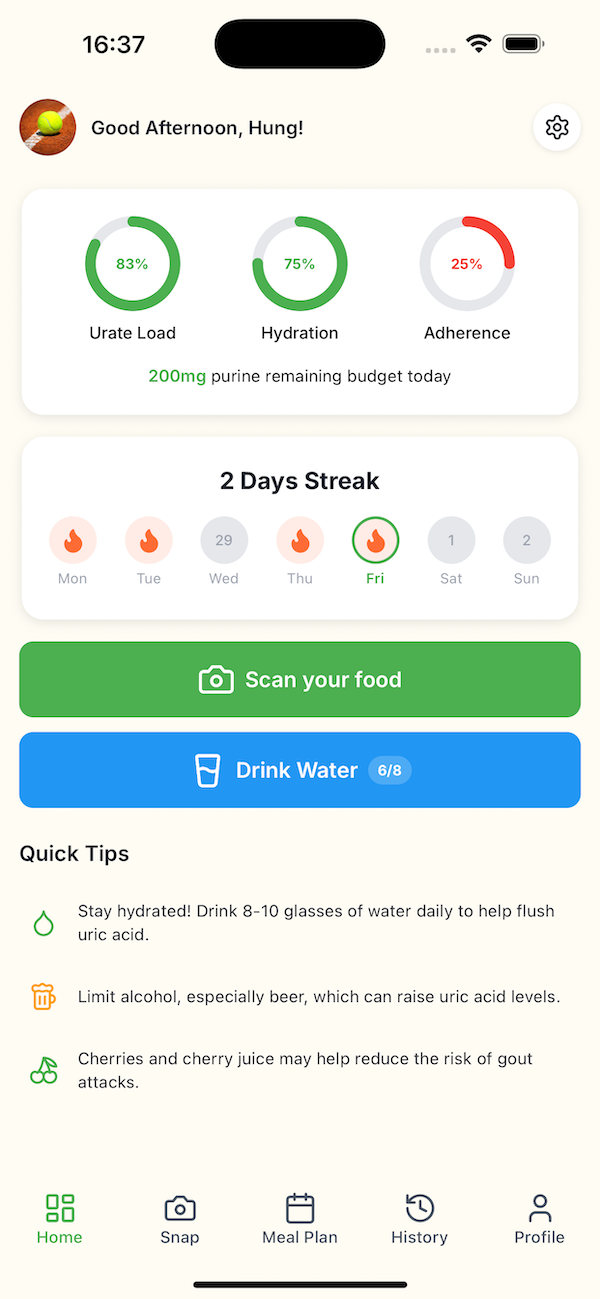
Managing gout doesn't have to be complicated. GoutSnap AI is a revolutionary mobile app that uses artificial intelligence to analyze your food in real-time and help you make better dietary choices.
Simply snap a photo of your meal, and our AI instantly identifies high-purine foods that could trigger gout attacks. Get personalized recommendations, track your diet history, and prevent flare-ups before they happen.
Key Features:
- 📸 Instant Food Analysis - Take a photo and get immediate purine content information
- 🍽️ Dietary Tracking - Monitor your daily purine intake effortlessly
- 💡 Smart Recommendations - Receive AI-powered suggestions for gout-friendly alternatives
- 📊 Health Insights - Track patterns and identify your personal triggers
There are a few mobile apps for health, diet and manage gout. However, a several thousand of users has concluded that GoutSnap AI is successfully managing their gout with the power of AI.