Effects of elevated serum urate on cardiometabolic and kidney function markers in a randomised clinical trial of inosine supplementation - Scientific Reports
Understanding Gout: More Than Just a Painful Toe
Gout is a common and painful form of inflammatory arthritis that affects millions worldwide. While often associated with excruciating pain in the big toe, it can impact any joint. Understanding gout, its causes, and how to manage it is crucial for a better quality of life.
What is Gout?
Gout develops when there's too much uric acid in the blood, a condition known as hyperuricemia. Uric acid is a natural waste product formed from the breakdown of purines, which are found in your body and in many foods. When uric acid levels are high, it can form sharp, needle-like crystals that deposit in joints, causing intense pain, inflammation, and swelling.
Causes and Risk Factors
Several factors can contribute to high uric acid levels and increase the risk of developing gout:
Diet: Consuming foods and drinks high in purines, such as red meat, organ meats (liver, kidneys), seafood (especially shellfish), and sugary drinks (particularly those sweetened with high-fructose corn syrup), can elevate uric acid levels. Alcohol, especially beer, also plays a role.
Obesity: Being overweight or obese increases uric acid production and reduces the kidneys' ability to eliminate it.
Medical Conditions: Certain medical conditions like kidney disease, high blood pressure (hypertension), diabetes, and metabolic syndrome are linked to an increased risk of gout.
Medications: Some medications, including diuretics (water pills) and low-dose aspirin, can raise uric acid levels.
Genetics: Gout can run in families, suggesting a genetic predisposition.
Gender and Age: Gout is more common in men, particularly between the ages of 30 and 50. In women, it often develops after menopause. This may be related to hormonal influences on urate excretion.
Symptoms of Gout
Gout attacks can come on suddenly and often occur at night. Symptoms include:
- Intense Joint Pain: Typically in the big toe, but can affect other joints like ankles, knees, elbows, wrists, and fingers.
- Inflammation: The affected joint becomes red, swollen, tender, and warm to the touch.
- Limited Range of Motion: Difficulty moving the affected joint.
- Lingering Discomfort: After the intense pain subsides, some joint discomfort may linger for days or weeks.
- Tophi: Over time, deposits of uric acid crystals (tophi) can form under the skin around joints and in other areas like the ears. These can be disfiguring and lead to joint damage.
Diagnosing Gout
A doctor can diagnose gout based on your symptoms, a physical exam, and tests such as:
- Joint Fluid Test: A sample of fluid is taken from the affected joint and examined under a microscope to look for uric acid crystals.
- Blood Test: Measures the level of uric acid in your blood. Note: A high uric acid level doesn't always mean you have gout, and some people with gout have normal uric acid levels.
- X-rays: Can help rule out other causes of joint pain and assess joint damage from chronic gout.
- Ultrasound or CT Scan: These imaging techniques can detect uric acid crystals in joints, even when they're not visible on X-rays.
Managing Gout: A Multifaceted Approach
Managing gout involves a combination of medication and lifestyle modifications to lower uric acid levels and prevent future attacks.
Medication
Pain Relief During Attacks:
- Nonsteroidal Anti-Inflammatory Drugs (NSAIDs): Like ibuprofen or naproxen, to reduce pain and inflammation.
- Colchicine: Effective at reducing pain and inflammation, especially when taken within the first 24 hours of an attack.
- Corticosteroids: Such as prednisone, can be taken orally or injected into the affected joint to reduce inflammation.
Urate-Lowering Therapy:
- Allopurinol and Febuxostat: These medications reduce the amount of uric acid your body produces.
- Probenecid: Helps your kidneys remove uric acid from your body.
Lifestyle Modifications
Lifestyle changes are essential for managing gout long-term.
Dietary Changes:
- Limit Purine-Rich Foods: Reduce consumption of red meat, organ meats, seafood, and sugary drinks.
- Choose Low-Purine Options: Focus on fruits, vegetables, whole grains, and low-fat dairy.
- Stay Hydrated: Drink plenty of water to help flush uric acid from your body.
- Limit Alcohol: Especially beer and hard liquor.
Weight Management: Losing weight can help lower uric acid levels.
Regular Exercise: Promotes overall health and can help manage weight.
Manage Other Medical Conditions: Control high blood pressure, diabetes, and high cholesterol.
Review Medications: Talk to your doctor about medications that might be contributing to high uric acid levels.
The Inosine Study: A Closer Look
The study you referenced examined the effects of inosine supplementation on cardiometabolic and kidney function markers in postmenopausal women. Inosine is a naturally occurring purine nucleoside.
The study involved 120 post-menopausal women in a six-month, randomized, double-blind, placebo-controlled trial.
While the original study focused on bone turnover markers, understanding the broader impact of interventions on uric acid levels and related health outcomes is crucial for comprehensive gout management. Remember that this specific study does not focus on gout, but rather how raised urate levels affect kidney and heart function.
[Include Image of study design flowchart if available]
Living Well with Gout
Gout can be a challenging condition, but with proper management, you can effectively control your symptoms and prevent future attacks. By working closely with your doctor, making lifestyle changes, and adhering to your prescribed medication regimen, you can live a full and active life. Don't hesitate to seek professional help and support to navigate the complexities of gout management.
Take Control of Your Gout with AI Technology
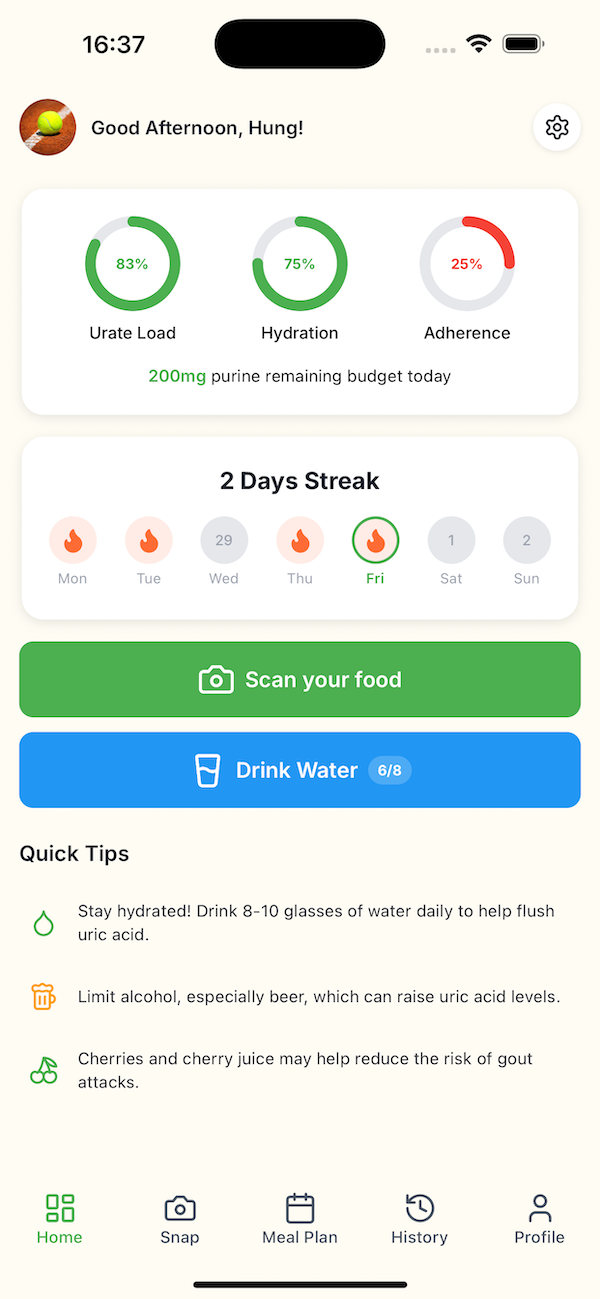
Managing gout doesn't have to be complicated. GoutSnap AI is a revolutionary mobile app that uses artificial intelligence to analyze your food in real-time and help you make better dietary choices.
Simply snap a photo of your meal, and our AI instantly identifies high-purine foods that could trigger gout attacks. Get personalized recommendations, track your diet history, and prevent flare-ups before they happen.
Key Features:
- 📸 Instant Food Analysis - Take a photo and get immediate purine content information
- 🍽️ Dietary Tracking - Monitor your daily purine intake effortlessly
- 💡 Smart Recommendations - Receive AI-powered suggestions for gout-friendly alternatives
- 📊 Health Insights - Track patterns and identify your personal triggers
There are a few mobile apps for health, diet and manage gout. However, a several thousand of users has concluded that GoutSnap AI is successfully managing their gout with the power of AI.