Dose-response meta-analysis on urate, gout, and the risk for Parkinson’s disease - npj Parkinson's Disease
Gout & Parkinson's: Understanding the Surprising Connection
Gout, a painful form of arthritis caused by high levels of uric acid in the blood, might seem unrelated to Parkinson's disease, a neurodegenerative disorder affecting movement. However, recent research is uncovering a fascinating connection. This article explores this link and what it means for both gout and Parkinson's management.
The Study: Uric Acid and Parkinson's Risk
A meta-analysis, a study that combines the results of multiple studies, investigated the relationship between uric acid levels, gout, and the risk of developing Parkinson's disease (PD). This analysis, encompassing data from nearly half a million individuals, revealed a surprising trend: higher levels of uric acid in the blood were associated with a lower risk of Parkinson's.
Specifically, the study found that for every 1 mg/dL increase in serum uric acid levels, the risk of developing Parkinson's disease decreased by 6%. While the study showed an association, it's crucial to remember that correlation doesn't equal causation.
It is important to emphasize that while elevated uric acid levels were associated with a lower risk of Parkinson's disease, the presence of gout itself did not show a significant correlation with the disease. This suggests that it is the uric acid itself, and not the inflammatory process triggered by gout, that may be playing a protective role.
Why the Connection? The Antioxidant Effect of Uric Acid
Parkinson's disease involves the progressive loss of dopamine-producing neurons in the brain. Oxidative stress, an imbalance between free radicals and antioxidants, is believed to play a significant role in this neuronal damage.
Uric acid is a natural antioxidant found in the body. It can neutralize harmful free radicals, potentially protecting brain cells from damage. This antioxidant property is the leading theory behind the observed link between higher uric acid levels and reduced Parkinson's risk.
Gout: Balancing the Benefits and Risks
While this research suggests a possible protective role of uric acid against Parkinson's, it's vital to remember the serious health consequences of high uric acid levels, primarily gout. Gout attacks can cause intense joint pain, inflammation, and long-term joint damage. Chronically high uric acid can also lead to kidney stones and kidney disease.
Therefore, artificially raising uric acid levels to prevent Parkinson's is not a recommended or safe strategy. Managing gout requires a balanced approach, focusing on lowering uric acid to prevent gout flares while considering the potential role of uric acid in neurological health.
Practical Tips for Gout Management
If you have gout, focus on evidence-based strategies to manage your uric acid levels safely and effectively:
- Dietary Changes: Limit purine-rich foods such as red meat, organ meats, seafood, and alcohol (especially beer).
- Hydration: Drink plenty of water to help flush out uric acid.
- Medications: Work with your doctor to determine if uric acid-lowering medications are appropriate for you. These medications, such as allopurinol or febuxostat, can effectively reduce uric acid levels and prevent gout attacks.
- Maintain a Healthy Weight: Obesity increases uric acid production. Weight loss can help lower uric acid levels.
What Does This Mean for Parkinson's Prevention?
The findings of this meta-analysis are intriguing but don't provide a direct path to Parkinson's prevention. More research is needed to fully understand the relationship between uric acid and Parkinson's disease. Current recommendations for Parkinson's prevention focus on lifestyle factors that promote overall brain health, such as regular exercise, a healthy diet rich in antioxidants, and avoiding head injuries.
Future Directions
Future research should focus on:
- Understanding the optimal range of uric acid levels for overall health, considering both gout and neurological risks.
- Investigating the specific mechanisms by which uric acid may protect against Parkinson's disease.
- Exploring potential therapeutic strategies that can harness the antioxidant properties of uric acid without causing gout or other adverse effects.
Take Control of Your Gout with AI Technology
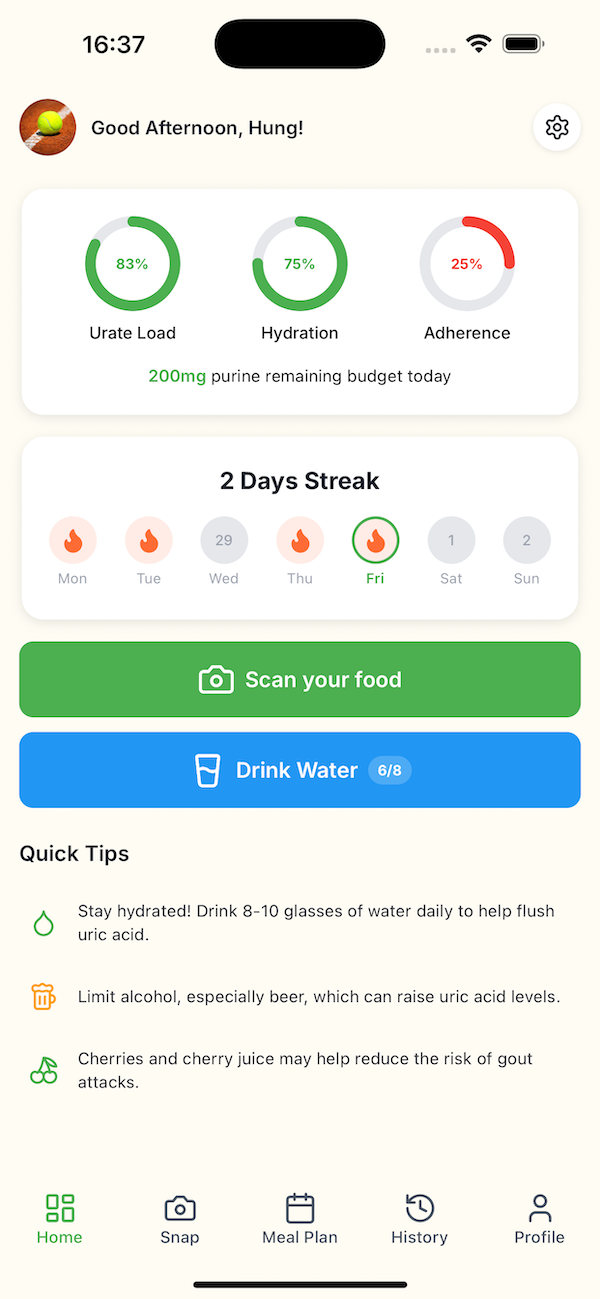
Managing gout doesn't have to be complicated. GoutSnap AI is a revolutionary mobile app that uses artificial intelligence to analyze your food in real-time and help you make better dietary choices.
Simply snap a photo of your meal, and our AI instantly identifies high-purine foods that could trigger gout attacks. Get personalized recommendations, track your diet history, and prevent flare-ups before they happen.
Key Features:
- 📸 Instant Food Analysis - Take a photo and get immediate purine content information
- 🍽️ Dietary Tracking - Monitor your daily purine intake effortlessly
- 💡 Smart Recommendations - Receive AI-powered suggestions for gout-friendly alternatives
- 📊 Health Insights - Track patterns and identify your personal triggers
There are a few mobile apps for health, diet and manage gout. However, a several thousand of users has concluded that GoutSnap AI is successfully managing their gout with the power of AI.