Are Tomatoes Bad for Gout?
Tomatoes and Gout: Separating Fact from Fiction
Gout, a painful form of inflammatory arthritis, affects millions. Understanding its triggers is key to effective management. For years, dietary advice for gout sufferers has been shrouded in conflicting information, particularly regarding common foods like tomatoes. Are tomatoes a friend or foe when it comes to gout? Let's delve into the science.
Understanding Gout: The Basics
Gout occurs when there's an excess of uric acid in the blood (hyperuricemia). Uric acid is a natural byproduct of the breakdown of purines, substances found in many foods and also produced by the body. When uric acid levels are too high, it can form needle-like crystals that deposit in joints, causing intense pain, inflammation, and swelling—the hallmark of a gout flare.
The Tomato Controversy
For many years, tomatoes have been flagged as a potential trigger for gout flares. This stems from the fact that tomatoes contain purines, although not in extraordinarily high quantities. However, recent research has challenged this long-held belief.
Studies have suggested that tomatoes may actually increase uric acid levels in some individuals with gout. While this finding goes against the conventional understanding, it highlights the complex and individualized nature of gout management. Different people react differently to various foods.
Monitoring Your Triggers: A Personalized Approach
The most reliable way to determine if tomatoes worsen your gout is through careful self-monitoring and dietary adjustments.
Elimination Diet: Try eliminating tomatoes and all tomato-based products (sauce, juice, ketchup, etc.) from your diet for several weeks.
Symptom Tracking: Keep a detailed record of your gout symptoms, including flare-up frequency, pain levels, and any other relevant observations. Note any patterns that emerge. Does eliminating tomatoes lead to fewer flares or reduced pain?
Reintroduction (with Caution): If you see improvement, gradually reintroduce tomatoes in small portions and continue monitoring your symptoms. This will help you pinpoint your individual tolerance level.
Consult Your Healthcare Provider: Share your food diary and observations with your doctor or a registered dietitian. They can help you interpret the data and create a personalized gout management plan.
Dietary Strategies for Managing Gout (Beyond Tomatoes)
While individual triggers vary, some general dietary guidelines can help manage gout:
Limit Purine-Rich Foods: Reduce your intake of foods high in purines, such as organ meats (liver, kidneys), red meat, and certain types of seafood (sardines, anchovies).
Moderate Alcohol Consumption: Alcohol, especially beer, can interfere with uric acid elimination. Limit your intake or avoid it altogether.
Stay Hydrated: Drinking plenty of water helps flush uric acid from your system. Aim for at least eight glasses of water a day.
Maintain a Healthy Weight: Obesity increases uric acid production. Losing weight can help lower uric acid levels.
Consider Tart Cherry Juice: Some studies suggest that tart cherry juice may help reduce uric acid levels and prevent gout flares due to its anti-inflammatory properties.
Focus on a Balanced Diet: Prioritize fruits, vegetables, whole grains, and low-fat dairy products. A healthy, balanced diet supports overall health and can help manage gout symptoms.
What to Eat With Gout (Instead of Tomatoes, If Needed)
If you find that tomatoes trigger your gout, don't worry – there are plenty of delicious and healthy alternatives! Focus on incorporating a variety of colorful fruits and vegetables into your diet, alongside lean protein sources and whole grains.
:max_bytes(150000):strip_icc()/GettyImages-155292147-4a45304b883c4c4b888339b360f669d3.jpg)
Take Control of Your Gout with AI Technology
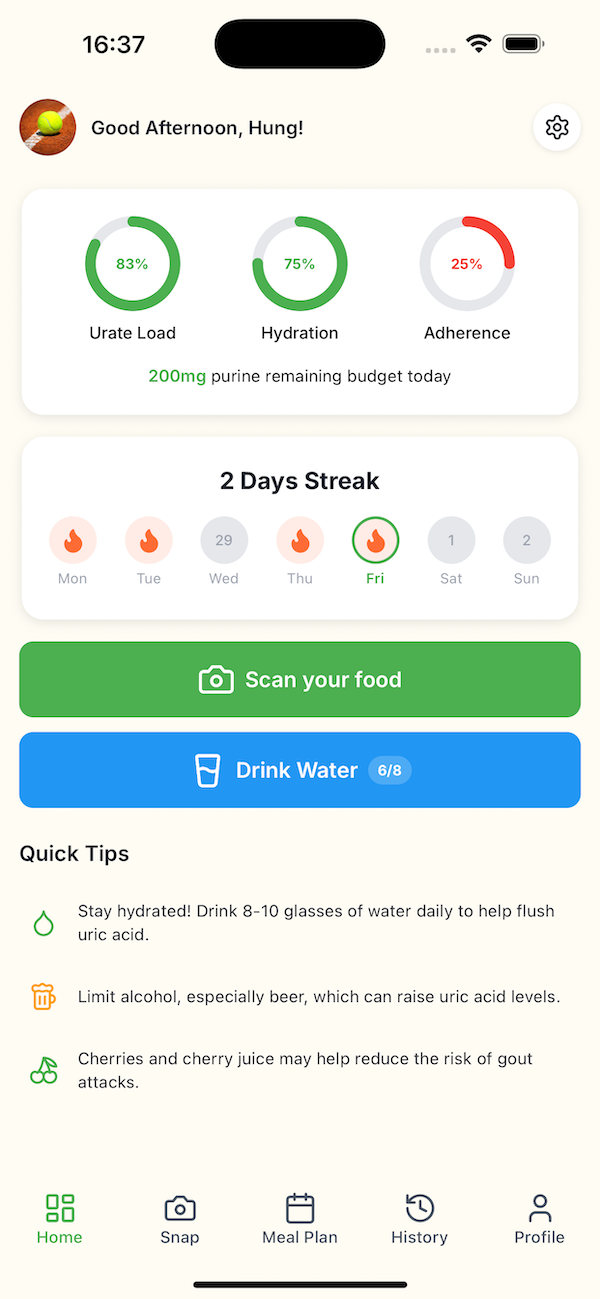
Managing gout doesn't have to be complicated. GoutSnap AI is a revolutionary mobile app that uses artificial intelligence to analyze your food in real-time and help you make better dietary choices.
Simply snap a photo of your meal, and our AI instantly identifies high-purine foods that could trigger gout attacks. Get personalized recommendations, track your diet history, and prevent flare-ups before they happen.
Key Features:
- 📸 Instant Food Analysis - Take a photo and get immediate purine content information
- 🍽️ Dietary Tracking - Monitor your daily purine intake effortlessly
- 💡 Smart Recommendations - Receive AI-powered suggestions for gout-friendly alternatives
- 📊 Health Insights - Track patterns and identify your personal triggers
There are a few mobile apps for health, diet and manage gout. However, a several thousand of users has concluded that GoutSnap AI is successfully managing their gout with the power of AI.