Are New Ethical Standards Needed for Gout Clinical Trials?
Gout Clinical Trials: Are Current Practices Fair to Patients?
Gout, a painful form of inflammatory arthritis, can significantly impact a person's quality of life. As researchers develop new treatments for this condition, ethical considerations regarding the design and conduct of clinical trials become paramount. Should the way we test new gout therapies be updated to better protect and benefit participants? Let's delve into the evolving ethical landscape of gout clinical trials.
The Challenge of Gout Clinical Trial Design
Traditional clinical trials often compare a new treatment to a placebo (an inactive substance) to determine its effectiveness. However, in gout, this practice raises ethical concerns. Leaving patients with active gout on a placebo can lead to prolonged pain and potential joint damage.
Proposals for Improvement
Several experts have proposed changes to improve the ethical standards of gout clinical trials. These include:
Focusing on Refractory Gout: Limiting trial enrollment to individuals whose gout doesn't respond well to standard treatments. This ensures that participants are truly in need of alternative therapies.
Eliminating Placebo Arms: Avoiding the use of placebos altogether and instead comparing new treatments directly to existing effective therapies. This minimizes the risk of participants experiencing unnecessary pain and flares.
Prophylactic Anti-inflammatory Treatment: Providing all participants, including those in the comparator arm, with anti-inflammatory medication to prevent or reduce the severity of gout flares during the trial.
[

Urate-Lowering Treatment Adjustment: Allowing physicians to adjust the dosage of urate-lowering medications in the comparator arm to achieve optimal uric acid levels. This ensures that participants in the control group receive the best possible standard of care.
The Importance of a Gout Action Plan
Regardless of participation in clinical trials, having a personalized gout management plan is crucial. This plan should address both long-term urate-lowering therapy and strategies for managing acute flares.
Creating Your Personalized Gout Plan
A well-defined gout plan should include:
- Urate-Lowering Therapy: Consistent adherence to a urate-lowering medication, such as allopurinol or febuxostat, to reduce uric acid levels and prevent crystal formation.
- Flare Management Medications: Readily available supply of anti-inflammatory medications like colchicine, NSAIDs, or corticosteroids to treat gout flares promptly. Rapid treatment is crucial for minimizing pain and inflammation.
- Lifestyle Modifications: Dietary changes (limiting purine-rich foods and sugary drinks) and lifestyle adjustments (maintaining a healthy weight and staying hydrated) to complement medical treatment.
- Regular Monitoring: Routine blood tests to monitor uric acid levels and kidney function.
- Provider Access: Clear instructions on how to contact your healthcare provider quickly in the event of a gout flare. Knowing who to call and what to do can significantly reduce anxiety and improve outcomes.
Regulatory and Practical Considerations
While these ethical recommendations are gaining traction, practical and regulatory challenges remain. Drug regulators often prefer superiority trials (showing a new drug is better than placebo), and conducting active comparator trials can be significantly more expensive. Furthermore, focusing solely on refractory gout populations might limit the initial marketability of new drugs, even if they are safe and effective for a broader range of patients. Navigating these complexities is essential to ensure that both ethical standards and scientific rigor are maintained in gout clinical research.
Take Control of Your Gout with AI Technology
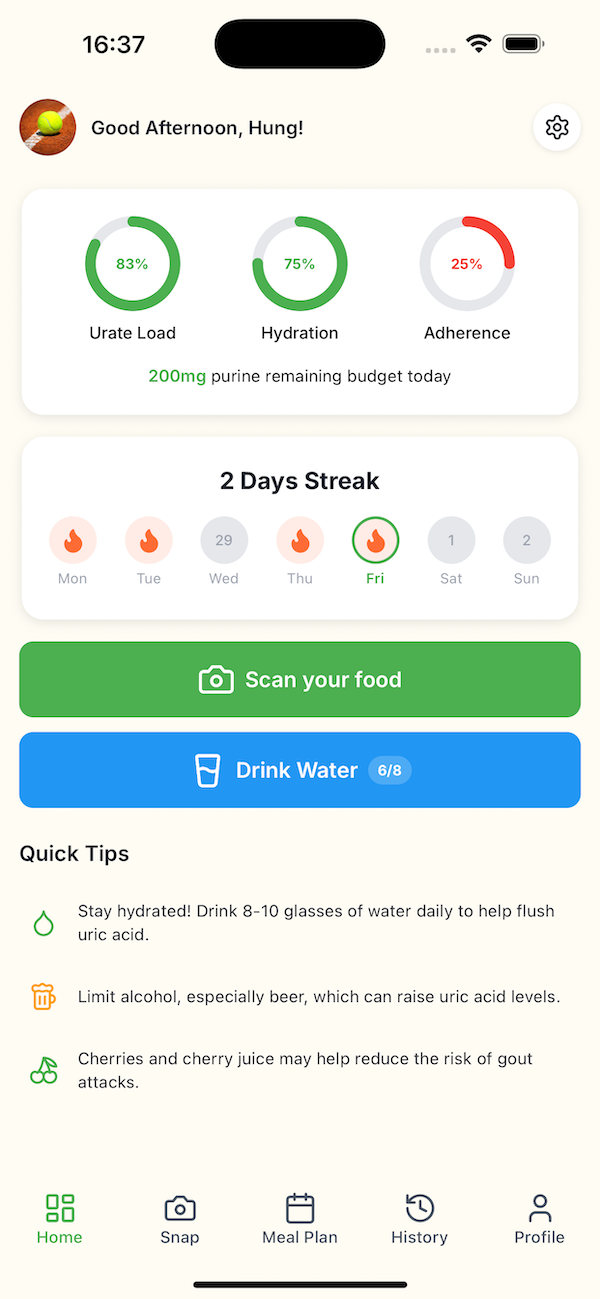
Managing gout doesn't have to be complicated. GoutSnap AI is a revolutionary mobile app that uses artificial intelligence to analyze your food in real-time and help you make better dietary choices.
Simply snap a photo of your meal, and our AI instantly identifies high-purine foods that could trigger gout attacks. Get personalized recommendations, track your diet history, and prevent flare-ups before they happen.
Key Features:
- 📸 Instant Food Analysis - Take a photo and get immediate purine content information
- 🍽️ Dietary Tracking - Monitor your daily purine intake effortlessly
- 💡 Smart Recommendations - Receive AI-powered suggestions for gout-friendly alternatives
- 📊 Health Insights - Track patterns and identify your personal triggers
There are a few mobile apps for health, diet and manage gout. However, a several thousand of users has concluded that GoutSnap AI is successfully managing their gout with the power of AI.