A comprehensive analysis of trends in the burden of gout in China and globally from 1990 to 2021 - Scientific Reports
Gout on the Rise: Understanding the Trends and Taking Control
Gout, a painful form of arthritis, is caused by a buildup of uric acid crystals in the joints. This leads to sudden, severe attacks of pain, swelling, redness, and tenderness in one or more joints, most often in the big toe. While advancements in medical management exist, recent data reveals a concerning trend: gout is becoming more common globally. This article breaks down the latest findings and provides practical advice to help you understand and manage this condition.
The Growing Burden of Gout: A Global Perspective
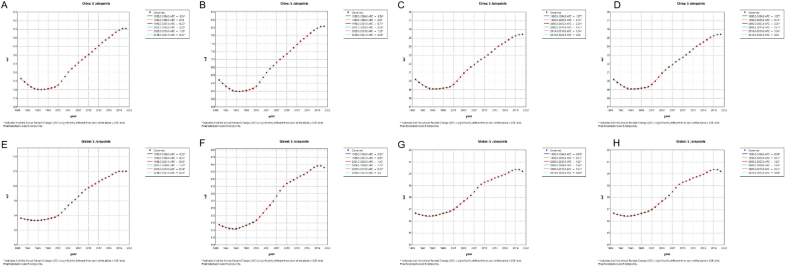
A recent study published in Scientific Reports analyzed data from the Global Burden of Disease Injuries and Risk Factors Study (GBD) spanning from 1990 to 2021. The results highlight a significant increase in both the incidence (new cases) and prevalence (total cases) of gout worldwide, with a particular increase noted in China.
Specifically, the study found:
- Global Increase: Gout incidence rose from approximately 93 cases per 100,000 people in 1990 to 109 cases per 100,000 in 2021. The number of cases more than doubled, from nearly 4 million to over 9.4 million.
- Increase in China: Gout incidence in China increased from around 123 cases per 100,000 in 1990 to 152 cases per 100,000 in 2021, with total cases growing from approximately 1.2 million to over 3 million.
- Increased Disability: The study also showed a rise in disability metrics, indicating that gout is not only becoming more common but also having a greater impact on people's lives.
These findings underscore the importance of taking gout seriously and implementing effective prevention and management strategies.
Understanding Your Risk and Taking Action
The study also identified key risk factors for gout:
- Age: Middle-aged and elderly individuals are at higher risk.
- Sex: Men are more likely to develop gout than women.
While you can't change your age or sex, there are many modifiable risk factors you can control. Here's how:
Dietary Modifications: A Cornerstone of Gout Management
Diet plays a crucial role in managing uric acid levels. Consider these dietary adjustments:
- Limit Purine-Rich Foods: Purines break down into uric acid. Reduce your intake of:
- Red meat (beef, lamb, pork)
- Organ meats (liver, kidney)
- Seafood (anchovies, sardines, shellfish, tuna)
- Reduce Fructose Intake: Sugary drinks and foods high in fructose can increase uric acid production. Limit:
- Soda
- Fruit juice
- Processed foods with added sugars
- Moderate Alcohol Consumption: Alcohol, especially beer, can interfere with uric acid excretion.
- Embrace a Gout-Friendly Diet: Focus on:
- Low-fat dairy products (milk, yogurt)
- Complex carbohydrates (whole grains, vegetables, fruits)
- Plant-based proteins (legumes, tofu)
- Stay Hydrated: Drinking plenty of water helps flush out uric acid. Aim for at least 8 glasses of water per day.
Lifestyle Changes
Beyond diet, other lifestyle factors can influence your risk of gout:
- Maintain a Healthy Weight: Obesity is linked to higher uric acid levels.
- Regular Exercise: Regular physical activity can help manage weight and improve overall health.
- Manage Stress: Stress can trigger gout flares. Practice relaxation techniques like meditation or yoga.
Medical Management
While diet and lifestyle changes are crucial, medical intervention may be necessary to manage gout effectively.
- Consult Your Doctor: Discuss your symptoms and risk factors with your doctor.
- Medication: Your doctor may prescribe medications to lower uric acid levels (e.g., allopurinol, febuxostat) or relieve pain and inflammation during flares (e.g., NSAIDs, colchicine, corticosteroids).
- Follow-Up Care: Regular monitoring of uric acid levels and adherence to your doctor's recommendations are essential for long-term gout management.
Take Control of Your Gout with AI Technology
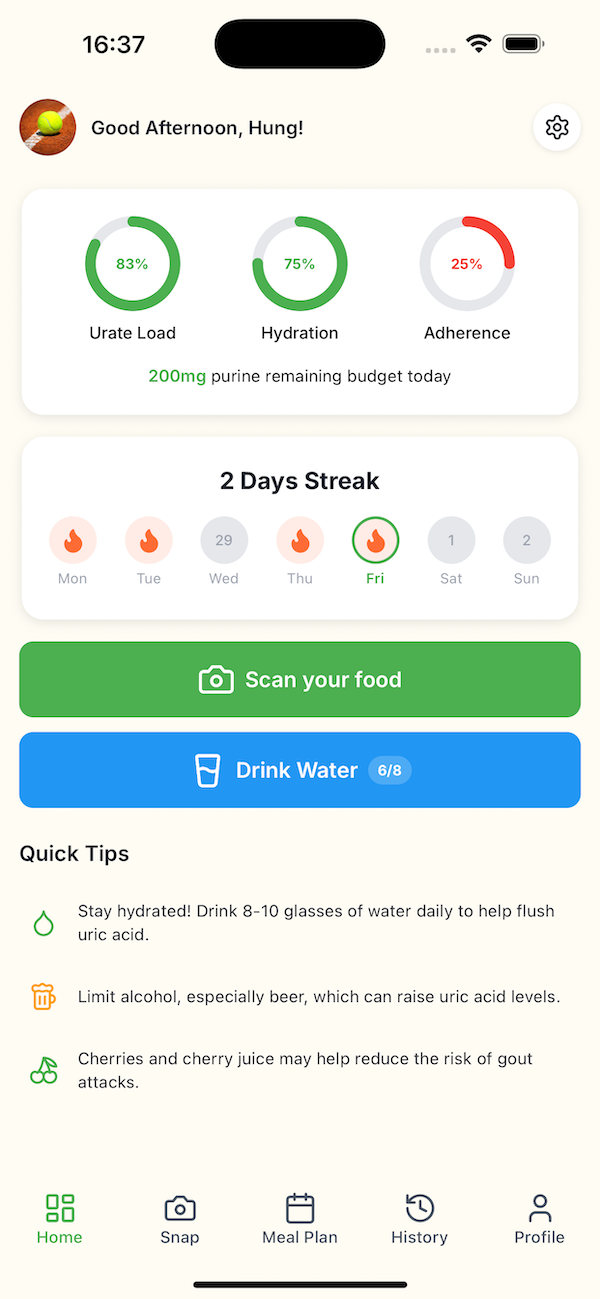
Managing gout doesn't have to be complicated. GoutSnap AI is a revolutionary mobile app that uses artificial intelligence to analyze your food in real-time and help you make better dietary choices.
Simply snap a photo of your meal, and our AI instantly identifies high-purine foods that could trigger gout attacks. Get personalized recommendations, track your diet history, and prevent flare-ups before they happen.
Key Features:
- 📸 Instant Food Analysis - Take a photo and get immediate purine content information
- 🍽️ Dietary Tracking - Monitor your daily purine intake effortlessly
- 💡 Smart Recommendations - Receive AI-powered suggestions for gout-friendly alternatives
- 📊 Health Insights - Track patterns and identify your personal triggers
There are a few mobile apps for health, diet and manage gout. However, a several thousand of users has concluded that GoutSnap AI is successfully managing their gout with the power of AI.