Purine-Restricted Diet Still Recommended for Gout?
Managing Gout: What Role Does Diet Still Play?
Gout, a painful form of inflammatory arthritis, affects millions. While many factors contribute to its development, understanding the role of diet remains crucial for effective management. This article explores the latest insights into gout and dietary recommendations, helping you make informed choices.
Understanding Gout and its Causes
Gout occurs when uric acid, a natural waste product, builds up in the blood (hyperuricemia) and forms sharp crystals in the joints. This triggers inflammation, causing intense pain, swelling, and redness.
Several factors increase the risk of gout, including:
- Genetics: Family history plays a significant role.
- Age and Sex: Gout is more common in men and older adults.
- Medical Conditions: Diabetes, cardiovascular disease, and kidney problems can elevate uric acid levels.
- Obesity: Excess weight is linked to higher uric acid production.
- Medications: Certain medications, such as diuretics, can contribute to hyperuricemia.
- Alcohol Consumption: Alcohol interferes with uric acid excretion.
The Purine Connection: Rethinking Dietary Restrictions
Purines are natural substances found in many foods. When the body breaks down purines, it produces uric acid. For years, a strict purine-restricted diet was the cornerstone of gout management. However, recent research suggests a more nuanced approach.
While genetics may have a greater influence on serum urate levels, specific dietary choices can still significantly impact gout risk and flare-ups.
Dietary Recommendations for Gout Management
The focus has shifted from stringent purine restriction to a more balanced approach that emphasizes moderation and targeted food choices. Here's what the evidence suggests:
Limit High-Purine Foods: While completely eliminating purine-rich foods isn't always necessary, reducing intake of the following is generally advised:
- Red Meat: Beef, lamb, and pork.
- Seafood: Especially shellfish (shrimp, lobster, mussels) and oily fish (sardines, anchovies, mackerel).
- Organ Meats: Liver, kidney, and sweetbreads.
Avoid Sugar-Sweetened Beverages and High-Fructose Foods: These can contribute to uric acid production. Limit or avoid:
- Soda and other sugary drinks.
- Fruit juice concentrates.
- Processed foods with added fructose or high-fructose corn syrup.
Moderate Alcohol Consumption: Especially beer, which is high in purines. If you choose to drink alcohol, do so in moderation (one drink per day for women, two drinks per day for men) and opt for wine.
Embrace Low-Purine and Beneficial Foods:
- Dairy: Low-fat dairy products may have a protective effect against gout.
- Fruits and Vegetables: Most fruits and vegetables are low in purines and rich in antioxidants. Cherries, in particular, have been shown to have anti-inflammatory properties.
- Whole Grains: Choose whole grains over refined grains.
- Legumes: While previously restricted, moderate consumption of legumes (beans, lentils) is now considered acceptable.
- Water: Staying well-hydrated helps flush out uric acid. Aim for at least eight glasses of water per day.
Beyond Diet: Other Important Considerations
Diet is just one piece of the gout management puzzle. Other crucial factors include:
- Maintaining a Healthy Weight: Weight loss can help lower uric acid levels.
- Medication: Your doctor may prescribe medications to lower uric acid levels or manage pain during flare-ups.
- Regular Exercise: Exercise can help manage weight and improve overall health.
- Managing Underlying Conditions: Effectively managing diabetes, cardiovascular disease, and kidney problems can help reduce the risk of gout.
Working with a Healthcare Professional
Managing gout effectively often requires a personalized approach. Consulting with a registered dietitian or other healthcare professional can help you develop a tailored dietary plan and lifestyle modifications to manage your condition and minimize flare-ups.
Take Control of Your Gout with AI Technology
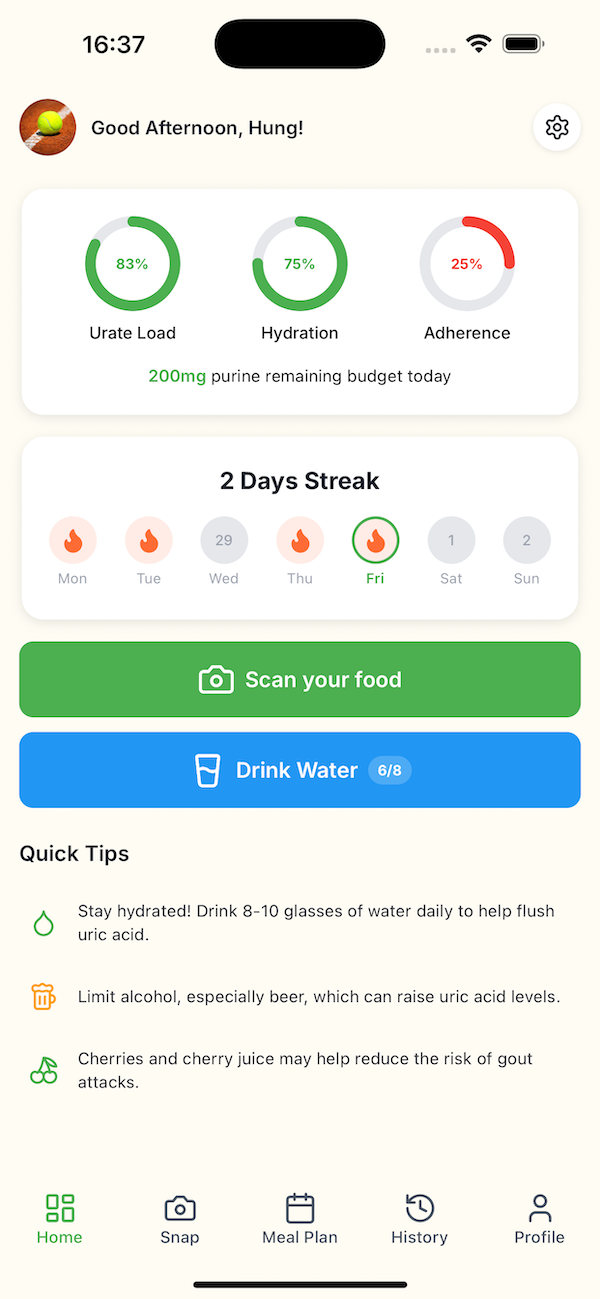
Managing gout doesn't have to be complicated. GoutSnap AI is a revolutionary mobile app that uses artificial intelligence to analyze your food in real-time and help you make better dietary choices.
Simply snap a photo of your meal, and our AI instantly identifies high-purine foods that could trigger gout attacks. Get personalized recommendations, track your diet history, and prevent flare-ups before they happen.
Key Features:
- 📸 Instant Food Analysis - Take a photo and get immediate purine content information
- 🍽️ Dietary Tracking - Monitor your daily purine intake effortlessly
- 💡 Smart Recommendations - Receive AI-powered suggestions for gout-friendly alternatives
- 📊 Health Insights - Track patterns and identify your personal triggers
There are a few mobile apps for health, diet and manage gout. However, a several thousand of users has concluded that GoutSnap AI is successfully managing their gout with the power of AI.