Pegloticase + MTX for Gout Not Effective After Pegloticase Monotherapy | HCPLive
Gout Treatment: New Insights on Pegloticase and Immunomodulation
Gout, a painful form of inflammatory arthritis, affects millions worldwide. Characterized by sudden, severe attacks of pain, redness, and swelling in the joints (often the big toe), gout arises from an excess of uric acid in the body, leading to the formation of urate crystals in the joints. Managing gout effectively requires a comprehensive approach, including lifestyle modifications, medication, and addressing underlying risk factors.
Understanding Pegloticase and its Role in Gout Management
Pegloticase is a powerful medication used to treat severe, chronic gout in patients who haven't responded adequately to other treatments. It works by breaking down uric acid in the blood, helping to lower uric acid levels and reduce the frequency and severity of gout flares. However, a significant challenge with pegloticase is the potential development of antidrug antibodies (ADAs). These antibodies can neutralize the drug's effectiveness, leading to a loss of urate-lowering response and increasing the risk of infusion reactions (IRs).
The Importance of Immunomodulation
Immunomodulation, in this context, refers to using other medications to modify the immune system's response to pegloticase. The goal is to prevent or reduce the formation of ADAs, thereby maintaining the drug's effectiveness and minimizing the risk of infusion reactions. Methotrexate (MTX) is one such immunomodulatory agent.
New Research Highlights Timing Matters for Pegloticase and Methotrexate
Recent research sheds light on the optimal timing of immunomodulation when using pegloticase. A study published in HCPLive investigated the effectiveness of combining pegloticase with methotrexate (MTX) in patients whose gout had previously stopped responding to pegloticase alone. The findings indicated that this approach had low response rates and higher infusion reaction rates, suggesting that initiating immunomodulation before the first exposure to pegloticase is crucial.
The ADVANCE trial, a small open-label study, enrolled individuals with uncontrolled gout who had previously failed pegloticase monotherapy. Participants received a 6-week run-in period of subcutaneous MTX (25 mg per week) followed by a 24-week treatment period of pegloticase (8 mg biweekly) plus MTX. The primary outcome was the urate-lowering response rate at month 6, defined as uric acid levels below 6 mg/dL for at least 80% of weeks 20-24.
The results indicated that starting MTX after pegloticase had already failed was not as effective. This underscores the importance of a proactive approach to preventing ADA development.
Practical Implications for Gout Patients and Healthcare Providers
These findings have significant implications for how gout is managed with pegloticase:
Early Immunomodulation: Consider initiating immunomodulation with MTX or another appropriate agent before starting pegloticase treatment. This proactive approach can help prevent the development of ADAs and improve the long-term effectiveness of pegloticase.
Careful Patient Selection: Thoroughly assess patients' suitability for pegloticase treatment, considering their history of gout, previous treatments, and risk factors for developing ADAs.
Close Monitoring: Regularly monitor uric acid levels and watch for signs of infusion reactions during pegloticase treatment. Promptly address any signs of ADA development or loss of efficacy.
Discuss Treatment Options: Have open and honest discussions with patients about the benefits and risks of pegloticase and the importance of immunomodulation.
While pegloticase remains a valuable treatment option for severe gout, these findings emphasize the importance of strategic implementation, including early immunomodulation, to maximize its effectiveness and minimize potential adverse effects.
Take Control of Your Gout with AI Technology
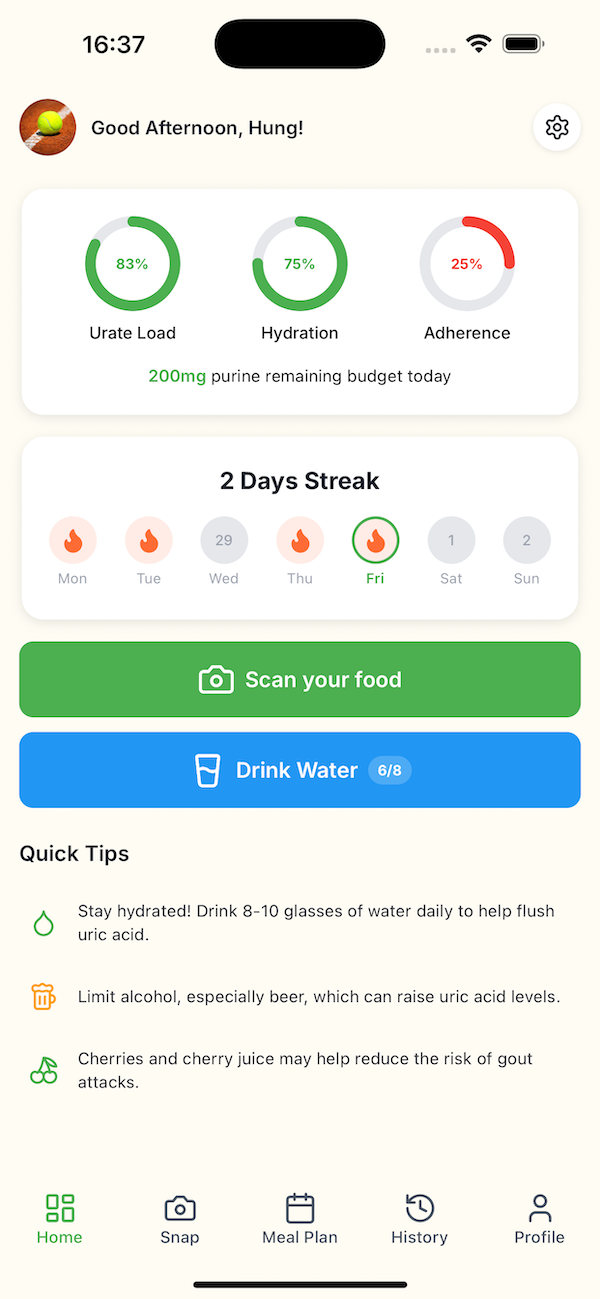
Managing gout doesn't have to be complicated. GoutSnap AI is a revolutionary mobile app that uses artificial intelligence to analyze your food in real-time and help you make better dietary choices.
Simply snap a photo of your meal, and our AI instantly identifies high-purine foods that could trigger gout attacks. Get personalized recommendations, track your diet history, and prevent flare-ups before they happen.
Key Features:
- 📸 Instant Food Analysis - Take a photo and get immediate purine content information
- 🍽️ Dietary Tracking - Monitor your daily purine intake effortlessly
- 💡 Smart Recommendations - Receive AI-powered suggestions for gout-friendly alternatives
- 📊 Health Insights - Track patterns and identify your personal triggers
There are a few mobile apps for health, diet and manage gout. However, a several thousand of users has concluded that GoutSnap AI is successfully managing their gout with the power of AI.