Medical News, Health News Latest, Medical News Today - Medical Dialogues |
Understanding and Managing Gout: A Comprehensive Guide
Gout, a painful form of inflammatory arthritis, affects millions worldwide. Understanding its causes, symptoms, and management strategies is crucial for those living with this condition. This article provides a comprehensive overview of gout, offering insights into dietary changes, lifestyle adjustments, and emerging treatments.
What is Gout?
Gout occurs when uric acid, a natural waste product, builds up in the body. When uric acid levels are too high (hyperuricemia), crystals form and deposit in joints, causing sudden, severe episodes of pain, swelling, redness, and tenderness, most often in the big toe. However, gout can affect any joint, including ankles, knees, elbows, wrists, and fingers.
Causes of Gout
Several factors can contribute to hyperuricemia and the development of gout:
- Diet: Consuming foods high in purines, which break down into uric acid, can increase uric acid levels. These include red meat, organ meats (liver, kidney), certain seafood (anchovies, sardines, mussels, scallops, trout), and sugary drinks.
- Obesity: Excess weight increases uric acid production and reduces the kidneys' ability to eliminate it.
- Medical Conditions: Certain conditions, such as kidney disease, high blood pressure, diabetes, and metabolic syndrome, can increase the risk of gout.
- Medications: Some medications, including diuretics (water pills) and low-dose aspirin, can interfere with uric acid excretion.
- Genetics: A family history of gout increases your likelihood of developing the condition.
- Alcohol Consumption: Alcohol, particularly beer and hard liquor, can increase uric acid production and impair its elimination.
Symptoms of Gout
Gout attacks typically occur suddenly and can last for several days or even weeks. Common symptoms include:
- Intense joint pain: Often starts in the big toe, but can affect other joints.
- Swelling: The affected joint becomes swollen and inflamed.
- Redness: The skin around the joint turns red and shiny.
- Tenderness: Even light touch can cause excruciating pain.
- Warmth: The affected joint feels warm to the touch.
- Limited range of motion: Difficulty moving the affected joint.
Over time, untreated gout can lead to chronic gout, characterized by more frequent and prolonged attacks, joint damage, and the development of tophi (urate crystal deposits under the skin).
Managing Gout: Diet and Lifestyle
While medication is often necessary to manage gout, dietary and lifestyle modifications can play a significant role in reducing uric acid levels and preventing attacks.
Dietary Recommendations
- Limit Purine-Rich Foods: Reduce consumption of red meat, organ meats, certain seafood, and sugary drinks.
- Choose Low-Purine Options: Focus on fruits, vegetables, whole grains, and low-fat dairy products.
- Stay Hydrated: Drink plenty of water to help flush uric acid from the body. Aim for at least eight glasses of water per day.
- Limit Alcohol Consumption: Reduce or eliminate alcohol intake, especially beer and hard liquor. Wine in moderation may be acceptable for some individuals.
- Maintain a Healthy Weight: Losing weight can help reduce uric acid production and improve kidney function.
- Consider Cherries: Some studies suggest that cherries and cherry extract may help lower uric acid levels and reduce inflammation.
Lifestyle Adjustments
- Regular Exercise: Engage in regular physical activity to maintain a healthy weight and improve overall health.
- Avoid Prolonged Sitting or Standing: Take breaks to move around and stretch your joints.
- Manage Stress: Practice stress-reducing techniques such as yoga, meditation, or deep breathing exercises.
- Quit Smoking: Smoking can increase the risk of gout and other health problems.
Medical Treatments for Gout
Medications are often necessary to manage gout, especially during acute attacks or to prevent future attacks. Common medications include:
- Nonsteroidal Anti-Inflammatory Drugs (NSAIDs): These medications help reduce pain and inflammation during acute gout attacks.
- Colchicine: This medication can also reduce pain and inflammation during acute attacks and may be used as a preventative measure.
- Corticosteroids: These powerful anti-inflammatory drugs can be used to treat acute gout attacks, either orally or by injection.
- Urate-Lowering Therapy (ULT): These medications, such as allopurinol and febuxostat, work to lower uric acid levels in the blood, preventing future gout attacks and reducing the risk of long-term complications.
- Probenecid: This medication helps the kidneys eliminate uric acid from the body.
- Pegloticase: This medication is an option for people with severe, treatment-resistant gout.
Image of hands that are experiencing pain:
Take Control of Your Gout with AI Technology
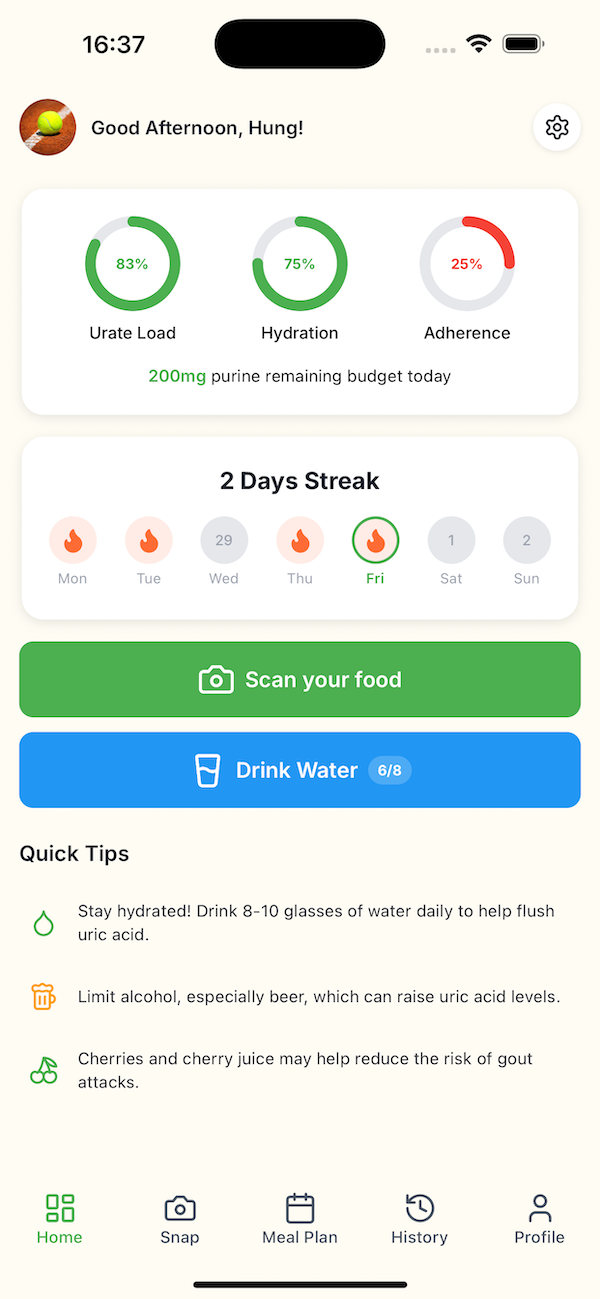
Managing gout doesn't have to be complicated. GoutSnap AI is a revolutionary mobile app that uses artificial intelligence to analyze your food in real-time and help you make better dietary choices.
Simply snap a photo of your meal, and our AI instantly identifies high-purine foods that could trigger gout attacks. Get personalized recommendations, track your diet history, and prevent flare-ups before they happen.
Key Features:
- 📸 Instant Food Analysis - Take a photo and get immediate purine content information
- 🍽️ Dietary Tracking - Monitor your daily purine intake effortlessly
- 💡 Smart Recommendations - Receive AI-powered suggestions for gout-friendly alternatives
- 📊 Health Insights - Track patterns and identify your personal triggers
There are a few mobile apps for health, diet and manage gout. However, a several thousand of users has concluded that GoutSnap AI is successfully managing their gout with the power of AI.