Frontiers in Pharmacology
Gout: Understanding and Managing the Pain
Gout, a painful form of inflammatory arthritis, affects millions worldwide. Understanding its causes and effective management strategies is crucial for those living with this condition.
What is Gout?
Gout occurs when uric acid, a natural waste product in the body, builds up in the blood (hyperuricemia). When uric acid levels are too high, crystals can form and deposit in joints, leading to sudden, intense pain, swelling, redness, and tenderness, most often in the big toe. This is known as a gout flare.
Causes and Risk Factors
Several factors can contribute to the development of gout, including:
- Diet: Consuming foods and beverages high in purines, which break down into uric acid, can increase the risk. These include red meat, organ meats (liver, kidneys), certain seafood (anchovies, sardines, herring, mussels, scallops, trout), and alcohol, especially beer and sugary drinks.
- Genetics: A family history of gout increases your likelihood of developing the condition.
- Medical Conditions: Certain medical conditions, such as kidney disease, high blood pressure, diabetes, and metabolic syndrome, can impair the body's ability to eliminate uric acid.
- Medications: Some medications, like diuretics (water pills), low-dose aspirin, and certain immunosuppressants, can increase uric acid levels.
- Obesity: Excess weight is associated with increased uric acid production and decreased uric acid excretion.
- Gender: Men are more likely to develop gout than women, although the risk increases for women after menopause.
Managing Gout: A Two-Pronged Approach
Gout management involves two main strategies: treating acute gout flares and preventing future attacks.
Treating Acute Gout Flares
The goal of treatment during a flare is to reduce pain and inflammation. Common medications include:
- Nonsteroidal Anti-Inflammatory Drugs (NSAIDs): Over-the-counter or prescription NSAIDs can effectively reduce pain and inflammation.
- Colchicine: This medication can reduce pain and inflammation, especially when taken within the first 24 hours of a flare.
- Corticosteroids: These medications, such as prednisone, can be taken orally or injected into the affected joint to reduce inflammation.
It's essential to consult with your doctor to determine the most appropriate treatment plan for your individual needs.
Preventing Future Gout Attacks
Preventive strategies aim to lower uric acid levels in the blood and prevent crystal formation.
- Medication: Urate-lowering therapies (ULTs), such as allopurinol and febuxostat, reduce the production of uric acid. Probenecid helps the kidneys remove uric acid from the body. These medications are typically prescribed for long-term management of gout.
- Dietary Changes: Adopting a gout-friendly diet can significantly reduce the risk of flares.
- Limit Purine-Rich Foods: Reduce your intake of red meat, organ meats, and certain seafood.
- Reduce Alcohol Consumption: Limit or avoid beer and sugary drinks. Moderate wine consumption may be acceptable for some individuals, but discuss this with your doctor.
- Stay Hydrated: Drink plenty of water to help your kidneys flush out uric acid.
- Eat Cherries: Some studies suggest that cherries and cherry extract may help lower uric acid levels and reduce inflammation.
- Incorporate Low-Fat Dairy: Low-fat dairy products may have a protective effect against gout.
- Lifestyle Modifications:
- Maintain a Healthy Weight: Losing weight can help lower uric acid levels.
- Exercise Regularly: Regular physical activity can improve overall health and help manage gout.

Working with Your Healthcare Provider
Managing gout effectively requires a collaborative approach with your doctor. Regular monitoring of uric acid levels and adherence to your prescribed treatment plan are crucial for preventing flares and improving your quality of life.
Take Control of Your Gout with AI Technology
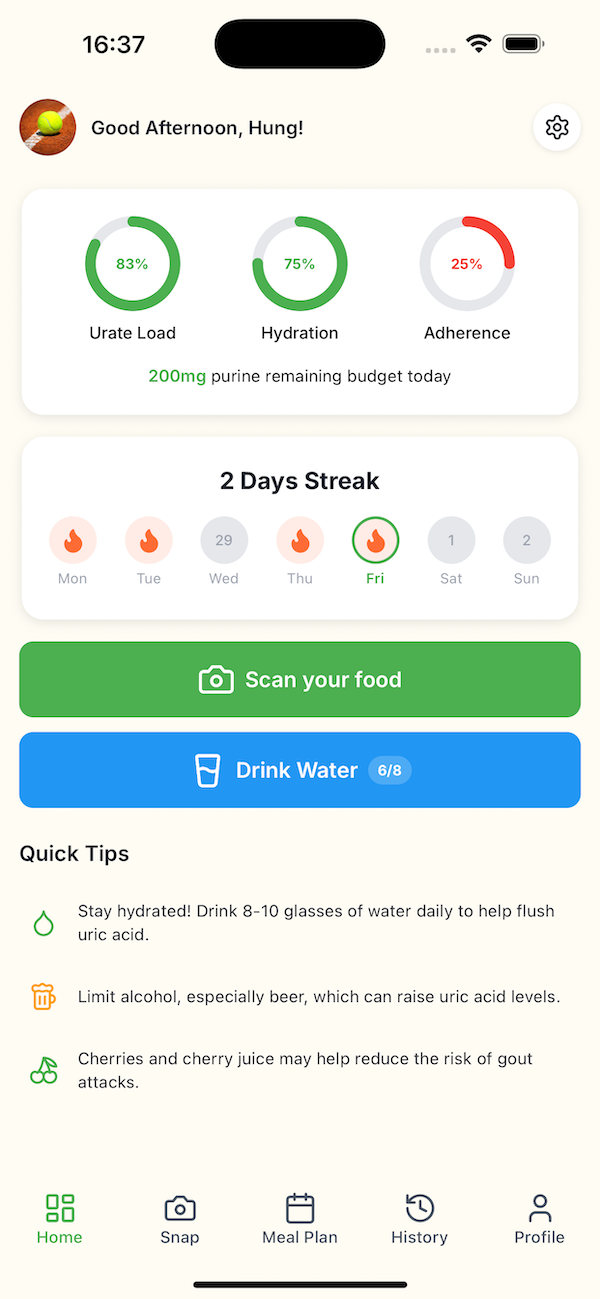
Managing gout doesn't have to be complicated. GoutSnap AI is a revolutionary mobile app that uses artificial intelligence to analyze your food in real-time and help you make better dietary choices.
Simply snap a photo of your meal, and our AI instantly identifies high-purine foods that could trigger gout attacks. Get personalized recommendations, track your diet history, and prevent flare-ups before they happen.
Key Features:
- 📸 Instant Food Analysis - Take a photo and get immediate purine content information
- 🍽️ Dietary Tracking - Monitor your daily purine intake effortlessly
- 💡 Smart Recommendations - Receive AI-powered suggestions for gout-friendly alternatives
- 📊 Health Insights - Track patterns and identify your personal triggers
There are a few mobile apps for health, diet and manage gout. However, a several thousand of users has concluded that GoutSnap AI is successfully managing their gout with the power of AI.