Effects of Allopurinol on the Progression of Chronic Kidney Disease | NEJM
Gout and Kidney Disease: What You Need to Know About Allopurinol
Gout, a painful form of inflammatory arthritis, is caused by a buildup of uric acid crystals in the joints. This buildup, known as hyperuricemia, can also impact other organs, especially the kidneys. Managing gout effectively is crucial, not only for pain relief but also for preserving kidney health. One common medication used to lower uric acid levels is allopurinol. But how does allopurinol affect the kidneys, particularly in people who already have chronic kidney disease (CKD)?
Understanding the Link Between Gout and Kidney Disease
The Uric Acid Connection
Uric acid is a natural waste product formed when the body breaks down purines, substances found in many foods and tissues. Normally, the kidneys filter uric acid from the blood and excrete it in urine. However, in some individuals, the kidneys may not efficiently remove uric acid, or the body may produce too much, leading to hyperuricemia.
High levels of uric acid can damage the kidneys in several ways:
- Urate Crystals: Uric acid crystals can deposit in the kidneys, causing inflammation and damage.
- Kidney Stones: Uric acid can form kidney stones, leading to pain, infection, and impaired kidney function.
- Chronic Kidney Disease (CKD): Long-term hyperuricemia can contribute to the progression of CKD.
Why Allopurinol is Prescribed
Allopurinol works by reducing the amount of uric acid your body produces. By lowering uric acid levels, allopurinol aims to prevent gout flares, dissolve existing uric acid crystals, and protect the kidneys from further damage.
Allopurinol and CKD: Recent Research Findings
A recent study published in the New England Journal of Medicine (NEJM) investigated the effects of allopurinol on the progression of CKD. The study involved patients with CKD who were at high risk of disease progression. Researchers wanted to determine if lowering uric acid with allopurinol could slow the decline in kidney function, as measured by estimated glomerular filtration rate (eGFR).
What the Study Found:
The study revealed that, compared to a placebo (a dummy pill), allopurinol did not significantly slow the decline in eGFR in patients with CKD. This finding suggests that while allopurinol is effective at lowering uric acid levels, it may not directly prevent the progression of CKD in all patients.
What This Means for You
If you have gout and CKD, it's important to discuss these research findings with your doctor. Here's what you should consider:
Individualized Treatment: The effectiveness of allopurinol can vary from person to person. Your doctor will consider your specific health condition, kidney function, and other factors when determining the best treatment plan.
Comprehensive Gout Management: Allopurinol is often part of a broader gout management strategy. This includes lifestyle modifications such as:
- Diet: Reducing purine intake by limiting consumption of red meat, organ meats, seafood, and sugary drinks.
- Hydration: Drinking plenty of water to help the kidneys flush out uric acid.
- Weight Management: Maintaining a healthy weight to reduce uric acid production.
Monitoring Kidney Function: Regular monitoring of kidney function through blood and urine tests is essential to track the progression of CKD and adjust treatment as needed.
Alternative Therapies: Depending on your individual needs, your doctor may consider other medications or therapies to manage gout and protect your kidneys.
Practical Tips for Managing Gout and Protecting Your Kidneys
Stay Hydrated: Aim for at least 8 glasses of water per day to help flush out uric acid.
Limit Purine-Rich Foods: Reduce your intake of foods high in purines, such as red meat, organ meats, and certain seafood.
Avoid Sugary Drinks: Sugary drinks, especially those containing high-fructose corn syrup, can increase uric acid production.
Maintain a Healthy Weight: Obesity can increase the risk of gout and CKD.
Limit Alcohol Consumption: Alcohol can interfere with uric acid excretion.
Follow Your Doctor's Recommendations: Adhere to your prescribed medication regimen and attend regular check-ups.
By working closely with your healthcare provider and adopting a comprehensive management approach, you can effectively manage gout and protect your kidneys.
[Image of graph showing eGFR over time comparing allopurinol and placebo groups can be found in original article, and would be beneficial if inserted here]
Take Control of Your Gout with AI Technology
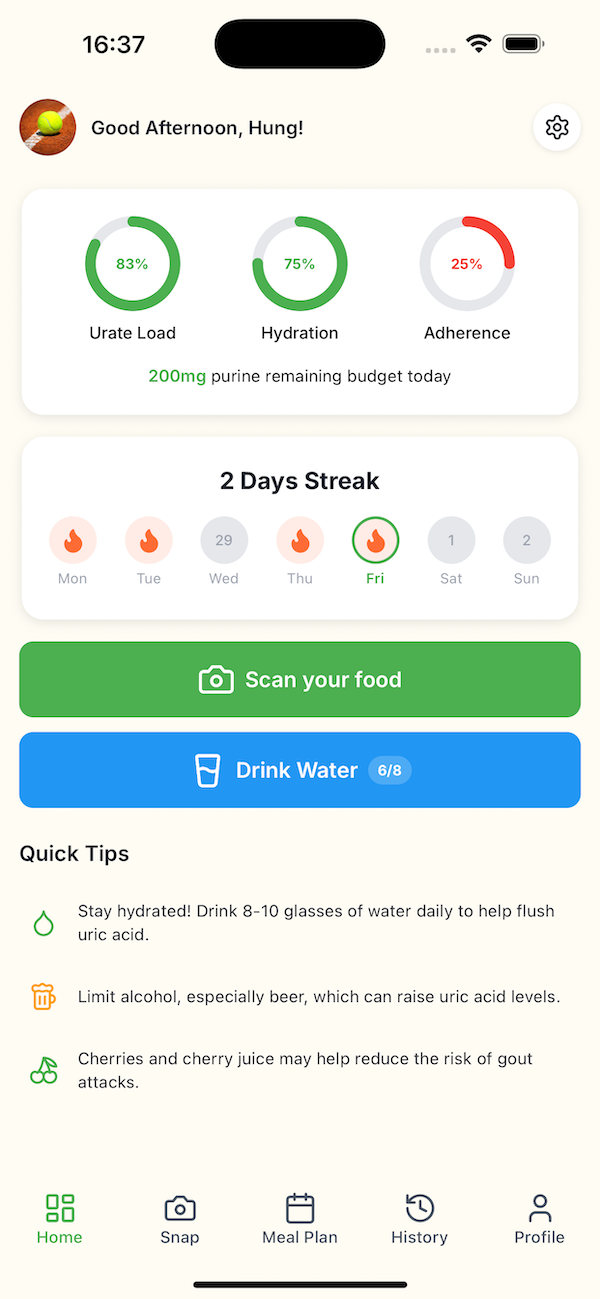
Managing gout doesn't have to be complicated. GoutSnap AI is a revolutionary mobile app that uses artificial intelligence to analyze your food in real-time and help you make better dietary choices.
Simply snap a photo of your meal, and our AI instantly identifies high-purine foods that could trigger gout attacks. Get personalized recommendations, track your diet history, and prevent flare-ups before they happen.
Key Features:
- 📸 Instant Food Analysis - Take a photo and get immediate purine content information
- 🍽️ Dietary Tracking - Monitor your daily purine intake effortlessly
- 💡 Smart Recommendations - Receive AI-powered suggestions for gout-friendly alternatives
- 📊 Health Insights - Track patterns and identify your personal triggers
There are a few mobile apps for health, diet and manage gout. However, a several thousand of users has concluded that GoutSnap AI is successfully managing their gout with the power of AI.