Effective xanthine oxidase inhibitor urate lowering therapy in gout is linked to an emergent serum protein interactome of complement and inflammation modulators - Scientific Reports
Understanding Gout: Lowering Uric Acid and Managing Inflammation
Gout is a painful form of inflammatory arthritis caused by a buildup of uric acid crystals in the joints. These crystals, primarily monosodium urate (MSU), trigger intense pain, inflammation, and swelling, most commonly in the big toe, but also in other joints like the ankles, knees, and elbows. While acute gout flares can be incredibly debilitating, understanding the condition and taking proactive steps can significantly improve your quality of life.
What Causes Gout?
Gout develops when there's too much uric acid in the blood (hyperuricemia). Uric acid is a natural byproduct of the breakdown of purines, substances found in your body and in certain foods and drinks. When uric acid levels are high, crystals can form and deposit in the joints, leading to gout attacks.
Several factors can contribute to hyperuricemia, including:
- Diet: High consumption of purine-rich foods such as red meat, organ meats, and certain seafood can increase uric acid levels.
- Alcohol: Beer and certain liquors can also elevate uric acid production.
- Genetics: Some people are genetically predisposed to producing more uric acid or having difficulty eliminating it.
- Medical conditions: Kidney disease, obesity, diabetes, and high blood pressure can increase the risk of gout.
- Medications: Certain medications, such as diuretics (water pills), can also raise uric acid levels.
Managing Gout: A Two-Pronged Approach
Effective gout management involves a two-pronged approach: addressing acute flares and lowering uric acid levels long-term.
Treating Acute Gout Flares
The primary goal during a gout flare is to relieve pain and inflammation. Medications commonly used to treat acute attacks include:
- Nonsteroidal anti-inflammatory drugs (NSAIDs): These reduce pain and inflammation but can have side effects, so consult your doctor before use.
- Colchicine: This medication specifically targets gout inflammation and is most effective when taken within the first 24 hours of a flare.
- Corticosteroids: These potent anti-inflammatory drugs can be taken orally or injected into the affected joint.
Lowering Uric Acid Levels: Xanthine Oxidase Inhibitors (XOIs)
The cornerstone of long-term gout management is lowering uric acid levels to prevent future flares and dissolve existing crystals. This is often achieved with medications called xanthine oxidase inhibitors (XOIs), such as allopurinol and febuxostat.
XOIs work by blocking the enzyme xanthine oxidase, which is involved in the production of uric acid. By inhibiting this enzyme, XOIs effectively lower uric acid levels in the blood. It is important to note that starting these medications can sometimes trigger a flare, so doctors often prescribe a low dose initially, along with a medication like colchicine, to prevent this.
New research, like that reported in Scientific Reports, indicates that effective urate-lowering therapy with XOIs leads to changes in the serum protein interactome. This essentially means that lowering uric acid levels can positively influence a network of proteins involved in complement and inflammatory processes. This further highlights the importance of long-term uric acid control in gout management.
Dietary and Lifestyle Changes for Gout
In addition to medication, dietary and lifestyle modifications can play a significant role in managing gout:
- Limit purine-rich foods: Reduce intake of red meat, organ meats, and certain seafood.
- Avoid sugary drinks: Fructose-sweetened beverages can increase uric acid production.
- Drink plenty of water: Staying hydrated helps your kidneys flush out uric acid.
- Limit alcohol consumption: Beer and certain liquors are particularly problematic.
- Maintain a healthy weight: Obesity is associated with higher uric acid levels.
Complement and Inflammation Modulators
Research continues to explore how XOIs affect the body beyond simply lowering uric acid. The "emergent serum protein interactome of complement and inflammation modulators" referenced in the Scientific Reports article suggests that these medications may have wider-ranging effects on the immune system and inflammation. The complement system is a part of the immune system that enhances the ability of antibodies and phagocytic cells to clear microbes and damaged cells from an organism, promote inflammation, and attack the pathogen's cell membrane. More research is necessary, but these findings provide valuable insight into the potential benefits of effective urate-lowering therapy.
Practical Tips for Managing Gout
- Monitor uric acid levels: Regular blood tests can help you track your progress.
- Work with your doctor: Develop a personalized treatment plan that addresses your specific needs.
- Be patient: It may take time to find the right medication and dosage.
- Track your flares: Keeping a record of your flares can help identify triggers and adjust your treatment plan.
- Consider tart cherry juice: Some studies suggest that tart cherry juice may help reduce uric acid levels and prevent flares.
[Image of Gout in foot]
Take Control of Your Gout with AI Technology
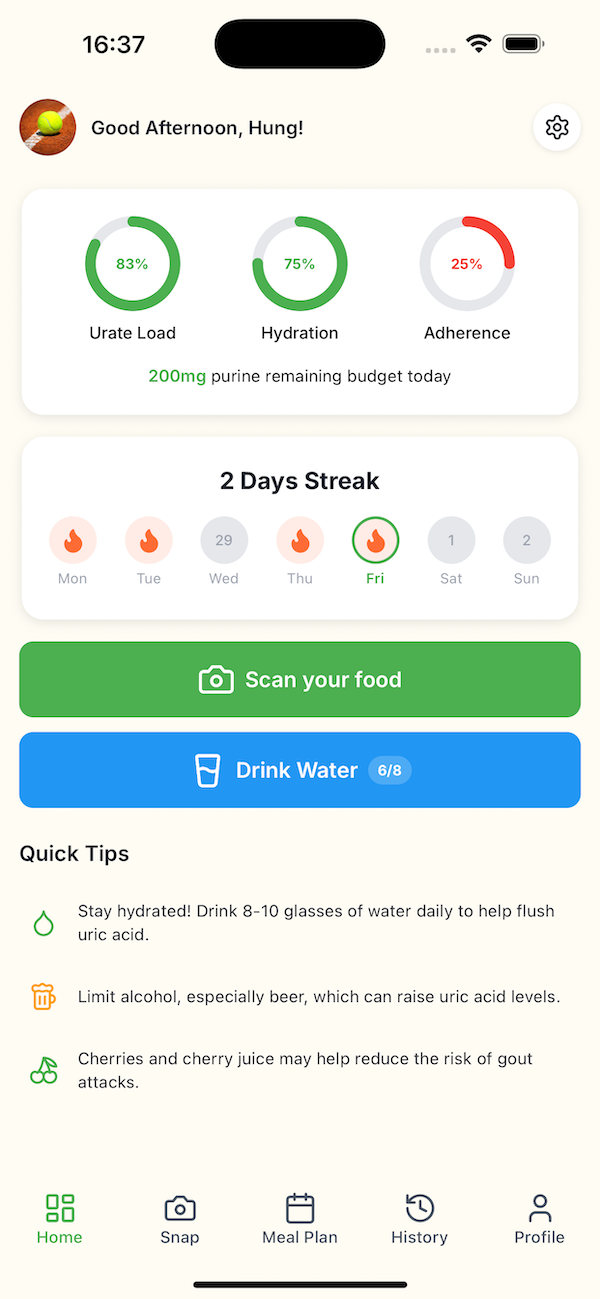
Managing gout doesn't have to be complicated. GoutSnap AI is a revolutionary mobile app that uses artificial intelligence to analyze your food in real-time and help you make better dietary choices.
Simply snap a photo of your meal, and our AI instantly identifies high-purine foods that could trigger gout attacks. Get personalized recommendations, track your diet history, and prevent flare-ups before they happen.
Key Features:
- 📸 Instant Food Analysis - Take a photo and get immediate purine content information
- 🍽️ Dietary Tracking - Monitor your daily purine intake effortlessly
- 💡 Smart Recommendations - Receive AI-powered suggestions for gout-friendly alternatives
- 📊 Health Insights - Track patterns and identify your personal triggers
There are a few mobile apps for health, diet and manage gout. However, a several thousand of users has concluded that GoutSnap AI is successfully managing their gout with the power of AI.