Comparative efficacy and safety of urate-lowering therapy for the treatment of hyperuricemia: a systematic review and network meta-analysis - Scientific Reports
Understanding Gout: Managing Hyperuricemia for a Pain-Free Life
Gout, a painful form of arthritis, affects millions worldwide. It's caused by a condition called hyperuricemia (HUA), where there's too much uric acid in the blood. This excess uric acid can form crystals in the joints, triggering inflammation and excruciating pain. Let's delve into understanding this condition and how to manage it effectively.
What is Hyperuricemia?
Hyperuricemia occurs when the level of uric acid in your blood exceeds 6.8 mg/dL. Uric acid is a natural byproduct of the breakdown of purines, substances found in your body's tissues and certain foods. Normally, your kidneys filter uric acid from the blood and eliminate it through urine. However, if your body produces too much uric acid or your kidneys don't eliminate enough, hyperuricemia can develop.
While not everyone with hyperuricemia develops gout, it significantly increases your risk. Think of it like this: hyperuricemia is the fuel, and gout is the fire.
The Global Burden of Gout
Gout is a growing concern worldwide. Studies show that the prevalence of gout has been increasing over the past few decades, particularly in developing countries, potentially due to changes in diet and lifestyle associated with economic development. This highlights the importance of understanding gout and its management strategies.
Managing Hyperuricemia: A Multifaceted Approach
Effectively managing hyperuricemia and preventing gout flare-ups involves a combination of lifestyle modifications and, in some cases, medication.
Dietary Changes: Your First Line of Defense
Diet plays a crucial role in managing uric acid levels. Here's what you can do:
Limit Purine-Rich Foods: Reduce your intake of foods high in purines, which break down into uric acid. These include:
- Red meat (beef, lamb, pork)
- Organ meats (liver, kidney)
- Seafood (sardines, anchovies, shellfish)
- High-fructose corn syrup sweetened beverages
Embrace a Gout-Friendly Diet: Focus on foods that can help lower uric acid or reduce inflammation:
- Cherries: Studies suggest cherries and cherry extract can help lower uric acid levels and reduce gout flare-ups.
- Dairy Products: Low-fat dairy products may have a protective effect against gout.
- Vegetables: Most vegetables are low in purines and safe to eat.
- Complex Carbohydrates: Choose whole grains, fruits, and vegetables over refined carbohydrates.
- Coffee: Some research indicates that coffee consumption may be associated with a lower risk of gout.
Stay Hydrated: Drinking plenty of water helps your kidneys flush out uric acid. Aim for at least 8 glasses of water per day.
Limit Alcohol: Alcohol, especially beer, can increase uric acid production and impair its excretion.
Lifestyle Modifications: More Than Just Diet
In addition to dietary changes, consider these lifestyle modifications:
- Weight Management: Obesity is linked to higher uric acid levels. Losing weight, especially if you are overweight or obese, can help lower uric acid.
- Regular Exercise: Regular physical activity can improve overall health and help manage weight, both of which are beneficial for gout.
- Stress Management: Stress can trigger gout flare-ups. Practice relaxation techniques like yoga or meditation.
Urate-Lowering Therapy (ULT): When Lifestyle Changes Aren't Enough
If lifestyle changes alone aren't sufficient to control your uric acid levels, your doctor may recommend urate-lowering therapy (ULT). These medications help to either reduce uric acid production or increase its excretion.
Common ULT medications include:
- Allopurinol: This medication reduces the production of uric acid.
- Febuxostat: Similar to allopurinol, febuxostat also reduces uric acid production.
- Probenecid: This medication helps your kidneys excrete more uric acid.
It's important to work closely with your doctor to determine the best ULT medication for you, as well as the appropriate dosage. Monitoring uric acid levels regularly is crucial to ensure the medication is working effectively.

Note: This image is a network meta-analysis comparing the efficacy of different urate-lowering therapies. Consult your physician for personalized medical advice.
Monitoring and Management
Regular monitoring of your uric acid levels is essential for managing gout. Work with your healthcare provider to establish a target uric acid level and track your progress. Remember that managing gout is a long-term commitment. By making sustainable lifestyle changes, adhering to your medication regimen (if prescribed), and working closely with your doctor, you can effectively control your uric acid levels, prevent gout flare-ups, and live a pain-free and active life.
Take Control of Your Gout with AI Technology
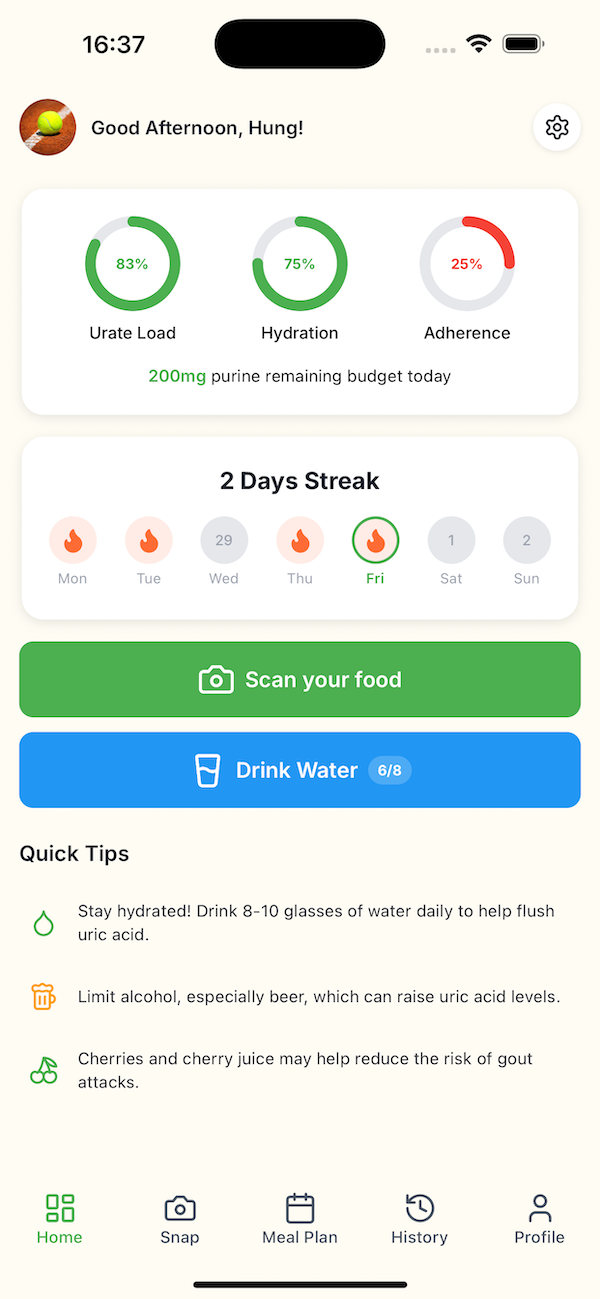
Managing gout doesn't have to be complicated. GoutSnap AI is a revolutionary mobile app that uses artificial intelligence to analyze your food in real-time and help you make better dietary choices.
Simply snap a photo of your meal, and our AI instantly identifies high-purine foods that could trigger gout attacks. Get personalized recommendations, track your diet history, and prevent flare-ups before they happen.
Key Features:
- 📸 Instant Food Analysis - Take a photo and get immediate purine content information
- 🍽️ Dietary Tracking - Monitor your daily purine intake effortlessly
- 💡 Smart Recommendations - Receive AI-powered suggestions for gout-friendly alternatives
- 📊 Health Insights - Track patterns and identify your personal triggers
There are a few mobile apps for health, diet and manage gout. However, a several thousand of users has concluded that GoutSnap AI is successfully managing their gout with the power of AI.