Association between urate-lowering therapies and cognitive decline in community-dwelling older adults - Scientific Reports
Gout Medications and Cognitive Health: What You Need to Know
Gout, a painful form of inflammatory arthritis, is caused by elevated levels of uric acid in the blood (hyperuricemia). These uric acid crystals accumulate in joints, leading to intense pain, swelling, and redness, most commonly in the big toe. While lifestyle modifications like diet are crucial for managing gout, many individuals require medication to lower uric acid levels and prevent future attacks. These medications are known as urate-lowering therapies (ULTs).
Recently, research has explored the complex relationship between uric acid, gout, and cognitive health. Some older studies suggested a possible protective effect of hyperuricemia against dementia, including Alzheimer's disease. However, these findings have been inconsistent and often based on limited data. Furthermore, some more recent studies have indicated a higher risk of dementia in individuals with gout.
The Latest Research: A Closer Look
A study published in Scientific Reports investigated the potential link between urate-lowering therapies and cognitive decline in older adults. The researchers aimed to shed light on whether treating hyperuricemia with medication might impact cognitive function.
The study highlighted the conflicting evidence surrounding uric acid and cognitive decline. Previous studies faced limitations, including a lack of standardized cognitive assessment methods. This made it difficult to draw firm conclusions about the true relationship between gout, its treatment, and cognitive health.
While the specific results of this study were not included in the provided content, the context suggests it raises important questions about the long-term effects of ULTs on cognitive function, especially in older individuals.
Understanding Urate-Lowering Therapies
Several medications are used to lower uric acid levels in individuals with gout. Common ULTs include:
- Allopurinol: This medication reduces the production of uric acid in the body.
- Febuxostat (Uloric): Similar to allopurinol, febuxostat also inhibits uric acid production.
- Probenecid: This medication helps the kidneys eliminate uric acid from the body.
These medications are generally effective in lowering uric acid levels and preventing gout flares. However, like all medications, they can have potential side effects. It's essential to discuss the risks and benefits of each medication with your doctor to determine the most appropriate treatment plan for you.
Managing Gout: A Holistic Approach
Effective gout management involves a combination of lifestyle modifications and, in many cases, medication. Here's a breakdown of key strategies:
Dietary Changes: Limiting foods high in purines, which break down into uric acid, can help lower uric acid levels. These foods include:
- Red meat (beef, lamb, pork)
- Organ meats (liver, kidney)
- Seafood (especially shellfish and oily fish like sardines and anchovies)
- Sugary drinks, especially those containing high-fructose corn syrup
- Alcohol, particularly beer
Hydration: Drinking plenty of water helps flush uric acid from the body. Aim for at least eight glasses of water per day.
Weight Management: Maintaining a healthy weight can reduce uric acid levels and decrease the risk of gout attacks.
Medications: As discussed earlier, ULTs play a crucial role in lowering uric acid levels and preventing future gout flares. Your doctor may also prescribe medications to manage pain and inflammation during acute gout attacks, such as NSAIDs or corticosteroids.
Regular Exercise: Regular physical activity can help maintain a healthy weight and improve overall health, which can indirectly benefit gout management.

Talking to Your Doctor
If you have gout or are concerned about your risk of developing gout, it's essential to talk to your doctor. They can assess your individual risk factors, perform necessary tests (such as a uric acid blood test), and recommend the most appropriate treatment plan for you. Be sure to discuss any concerns you have about the potential side effects of medications, including their impact on cognitive health. Your doctor can help you weigh the risks and benefits of different treatment options and make informed decisions about your care. Don't hesitate to ask questions and actively participate in managing your gout.
Take Control of Your Gout with AI Technology
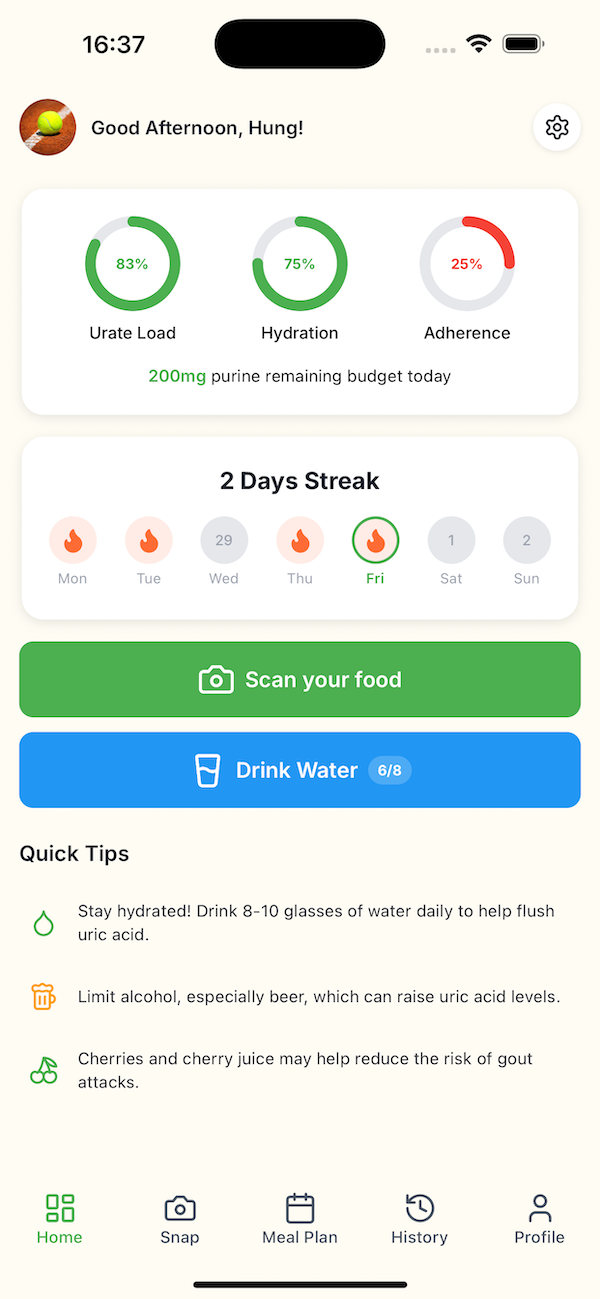
Managing gout doesn't have to be complicated. GoutSnap AI is a revolutionary mobile app that uses artificial intelligence to analyze your food in real-time and help you make better dietary choices.
Simply snap a photo of your meal, and our AI instantly identifies high-purine foods that could trigger gout attacks. Get personalized recommendations, track your diet history, and prevent flare-ups before they happen.
Key Features:
- 📸 Instant Food Analysis - Take a photo and get immediate purine content information
- 🍽️ Dietary Tracking - Monitor your daily purine intake effortlessly
- 💡 Smart Recommendations - Receive AI-powered suggestions for gout-friendly alternatives
- 📊 Health Insights - Track patterns and identify your personal triggers
There are a few mobile apps for health, diet and manage gout. However, a several thousand of users has concluded that GoutSnap AI is successfully managing their gout with the power of AI.