Read more about recovery after a gout flare-up.
Recovery After a Gout Flare-Up: What to Expect
Medically Reviewed By William C. Lloyd III, MD, FACS
— Written By Nancy LeBrun
Updated on July 27, 2021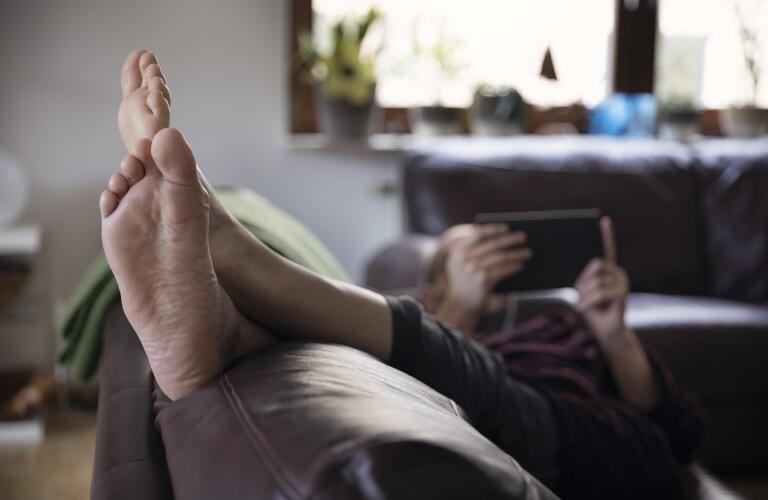
Getty
Gout flare-ups typically emerge with startling suddenness, often disrupting sleep in the quiet hours of the night. This particularly painful form of arthritis arises when the body accumulates an excess of uric acid, leading to the formation of sharp, needle-like crystals within a joint. While commonly affecting the big toe, it can also manifest in other joints such as the knee. The hallmark symptoms of a gout attack encompass intense pain, marked redness, extreme tenderness to touch, noticeable swelling, and a sensation of warmth in the affected area. Navigating the recovery phase after a gout attack generally spans one to two weeks, yet various treatments are available to significantly alleviate discomfort and facilitate a quicker return to daily activities.
Understanding the progression of a gout attack is crucial for effective management and recovery. An acute gout flare-up characteristically reaches its peak intensity within approximately 24 hours of onset, after which a gradual improvement can typically be observed. Even without specific medical intervention, symptoms will slowly subside, though the complete resolution of an attack may take up to two weeks. Despite its often debilitating pain, gout stands out among various forms of arthritis as one of the most treatable. Recognizing these patterns helps individuals anticipate the course of their symptoms and understand the value of timely and appropriate treatment.
Gout Flare-Up Medications
When experiencing an acute gout attack, it is generally advised not to initiate any new medication designed to lower uric acid levels. Introducing such drugs during a flare-up can, paradoxically, worsen the symptoms by causing rapid shifts in uric acid concentrations. However, if you are already on a prescribed uric acid-lowering medication, such as allopurinol, it is important to continue taking it precisely as directed by your healthcare provider. The primary focus during an acute attack is to manage the intense pain and inflammation, paving the way for more comfortable recovery and eventual long-term management.
For immediate relief during a gout attack, several pain management options are commonly utilized. Over-the-counter nonsteroidal anti-inflammatory drugs (NSAIDs), excluding aspirin, are often recommended due to their effectiveness in reducing both pain and inflammation. Aspirin is typically avoided because it can interfere with uric acid excretion, potentially exacerbating the condition. Stronger prescription NSAIDs, like indomethacin, are also frequently prescribed for their potent anti-inflammatory properties, offering significant relief from the acute pain associated with gout.
Another cornerstone of gout treatment is colchicine, a prescription medicine that works by disrupting the inflammatory pathways triggered by uric acid crystals. Colchicine is most effective when taken at the very first sign of an attack and can often be used in conjunction with NSAIDs for enhanced relief. While highly effective, it can sometimes cause gastrointestinal side effects such as nausea or diarrhea, especially at higher doses. Your doctor will provide specific dosing instructions to maximize efficacy while minimizing discomfort, emphasizing the importance of adhering strictly to the prescribed regimen.
For individuals who cannot tolerate NSAIDs or colchicine, or whose symptoms are particularly severe, corticosteroids, commonly referred to as steroids, offer a powerful anti-inflammatory alternative. These medications can be administered in various forms, including oral pills or injections directly into the affected joint. Steroids work quickly to reduce swelling and pain by suppressing the body's immune response. While effective, their use requires careful consideration of potential side effects, and your doctor will determine the most appropriate dosage and duration of treatment based on your individual health profile and the severity of the gout flare-up.
Regardless of the specific medication prescribed, it is essential to follow your healthcare provider's instructions meticulously. Relief from a gout attack may take anywhere from several hours to a few days, depending on the medication and individual response. It is crucial not to exceed the recommended dosages in an attempt to achieve faster relief, as this can lead to adverse side effects without necessarily accelerating recovery. Patience and adherence to the prescribed regimen are key components in effectively managing the acute symptoms and facilitating a smoother recovery process.
Additional Gout Flare-Up Treatments
Beyond pharmacological interventions, several home-based strategies can significantly complement medical treatments and enhance comfort during a gout flare-up. One effective method is applying ice to the affected joint. Cold therapy helps to numb the pain receptors and constrict blood vessels, thereby reducing inflammation and swelling. It is advisable to apply an ice pack, wrapped in a cloth or pillowcase to protect the skin, for 20 to 30 minutes at a time, several times throughout the day. This simple technique can provide considerable symptomatic relief and contribute to the overall recovery process.
Staying well-hydrated is another crucial aspect of managing gout and promoting recovery. Drinking plenty of fluids, particularly water, assists your kidneys in flushing excess uric acid out of your system. This not only may expedite the resolution of the current attack but also plays a vital role in preventing the formation of future uric acid crystals and reducing the risk of developing kidney stones, which are a potential complication of high uric acid levels. Aim to consume up to 16 cups of fluid daily, with at least eight cups being plain water, supplemented by clear liquids like broth or green tea.
Avoiding alcohol, especially beer, is a critical dietary modification during a gout flare-up and in ongoing management. Alcohol, particularly beer, is high in purines, compounds that the body converts into uric acid. Furthermore, alcohol can hinder the kidneys' ability to excrete uric acid, leading to a dangerous build-up in the bloodstream. By abstaining from alcohol, you help reduce the overall uric acid burden on your body, supporting a quicker recovery and reducing the likelihood of future attacks. This adjustment is a fundamental component of effective gout self-management.
Elevating the affected joint can also offer considerable relief and aid in reducing swelling. If the gout attack primarily impacts your big toe or knee, propping your leg up on a stool or pillows helps to improve circulation and reduce gravitational pressure on the inflamed joint. This position can alleviate discomfort and contribute to the reduction of fluid accumulation in the area, making the recovery process more manageable. Combining elevation with other home care strategies can provide a more comprehensive approach to managing acute gout symptoms.
Finally, while activity itself is unlikely to prolong your gout recovery, it is important to prioritize rest as needed. During a flare-up, the pain can be severe and debilitating, making even simple movements challenging. Listen to your body and avoid pushing yourself too hard if the pain is intense. Resting the affected joint allows the inflammation to subside more effectively and prevents unnecessary irritation or further injury. Striking a balance between gentle movement, if tolerable, and adequate rest is essential for promoting comfort and efficient healing.
Although an acute gout attack will eventually resolve on its own, utilizing medication and incorporating these additional home treatments can significantly shorten its duration and intensity. Effectively controlling gout is paramount, as recurrent or prolonged attacks can lead to irreversible joint damage over time. Moreover, unchecked gout can increase the risk of developing other serious health conditions, including chronic kidney disease. Consulting with your doctor about long-term strategies, such as medications that consistently lower uric acid levels, is vital for preventing recurring attacks and safeguarding your overall health from this common yet acutely painful form of arthritis.
View Sources
- Symptoms and Diagnosis of Gout. Johns Hopkins Arthritis Center. https://www.hopkinsarthritis.org/arthritis-info/gout/clinical-presentation-of-gout/
- Managing a Gout Flare. Arthritis Foundation. https://www.arthritis.org/diseases/more-about/managing-a-gout-attack
- Gout: Risk Factors, Diagnosis and Treatment. Hospital for Special Surgery. https://www.hss.edu/conditions_gout-risk-factors-diagnosis-treatment.asp#treatment

Medically Reviewed By William C. Lloyd III, MD, FACS
— Written By Nancy LeBrun
Updated on July 27, 2021
Original article: https://resources.healthgrades.com/right-care/gout/recovery-after-a-gout-flare-up-what-to-expect