Your Anti-Gout Diet Plan: Foods to Eat and Avoid

Your Anti-Gout Diet Plan: Foods to Eat and Avoid
Canva
By
Dorothy Foltz-Gray and Quinn Phillips
Updated on June 7, 2024
Medically Reviewed
by
Samir Dalvi, MD
Imagine waking up to a severe, throbbing pain in your big toe, inflamed and intensely red, after enjoying a rich meal the night before. This scenario is a classic indicator of a gout attack, a debilitating form of inflammatory arthritis. Gout primarily affects men over the age of 40 and women who have passed through menopause, as recognized by the Arthritis Foundation [1]. Understanding the nature of this condition is the first step toward effective management and regaining comfort.
Gout is fundamentally caused by an excessive accumulation of uric acid within the body. Uric acid is a natural byproduct of the breakdown of purines, chemical compounds found both in the body's cells and in numerous foods we consume daily. When the kidneys, responsible for filtering waste, struggle to efficiently remove this uric acid, it builds up in the bloodstream. This elevated concentration leads to the formation of sharp, needle-like urate crystals that often deposit around joints, most commonly in the big toe, leading to excruciating pain and inflammation.
A gout attack typically manifests with sudden, intense pain that rapidly escalates over 12 to 24 hours before gradually subsiding on its own. While some individuals may experience only a single gout attack in their lifetime, or infrequent episodes every few years, others face recurrent attacks that can become increasingly severe and debilitating over time [1]. Prompt recognition of symptoms and a definitive diagnosis are crucial for effective long-term management, which often involves a combination of medical and lifestyle interventions.
To confirm a gout diagnosis, medical professionals typically perform an aspiration procedure, where a needle is inserted into the affected joint to extract a fluid sample. The presence of uric acid crystals within this fluid sample provides conclusive evidence of gout, as noted by Joan M. Von Feldt, MD, a rheumatologist and emeritus professor of medicine at the University of Pennsylvania Perelman School of Medicine. However, doctors may often form a strong suspicion of gout based on characteristic symptoms and the physical appearance of the inflamed joint, leading them to recommend immediate dietary adjustments or prescribe medications to alleviate discomfort [2].
Dr. Von Feldt emphasizes that while modifying one's diet is an important component of gout management, it may not always be sufficient to fully resolve symptoms. She points out that even individuals who adhere to a strict purine-free and alcohol-free diet might still experience gout episodes. This underscores the reality that diet alone cannot necessarily control gout effectively. Considering a patient's overall quality of life is paramount in treating gout, which includes the ability to enjoy a varied diet in moderation. If dietary changes prove insufficient in preventing attacks, adjusting or initiating new medications becomes essential to achieve symptom control and improve daily living.
While specific dietary modifications may not completely eliminate the possibility of painful gout attacks, understanding which foods can act as triggers and which offer protective benefits remains a vital aspect of managing the condition. Integrating knowledge of these "gout-fighting" foods and consciously limiting or avoiding common triggers can significantly contribute to reducing uric acid levels and alleviating symptoms. The following sections detail some of the most beneficial and problematic foods for individuals navigating life with gout, offering practical guidance for informed dietary choices.
Common Trigger Foods for Gout
It is important to recognize that gout trigger foods can affect individuals differently. A food that provokes a painful attack in one person may not have the same effect on another, or even on the same person at a different time, underscoring the importance of personal observation. Nevertheless, numerous studies have consistently demonstrated that certain foods and beverages, when consumed, generally increase the risk of a gout attack. Identifying and moderating the intake of these common culprits is a cornerstone of dietary management for gout.

Adobe Stock
1. Alcohol, Especially Beer
Both beer and distilled spirits are strongly associated with gout attacks, including recurrent episodes, according to the Mayo Clinic [3]. The precise reasons for this link are complex, but alcohol influences how the kidneys process and remove uric acid from the bloodstream. Furthermore, certain components within alcoholic beverages directly impact blood uric acid levels. A comprehensive study involving over 78,000 Japanese participants revealed that regular beer drinkers exhibited significantly higher blood uric acid levels compared to non-drinkers, while wine drinkers showed only a moderate increase, and sake consumption led to barely any elevation [4].
Beer, in particular, is a potent trigger for gout attacks not only due to its alcohol content but also because it is notably high in purines, the compounds that metabolize into uric acid in the body. For these compelling reasons, the Mayo Clinic advises individuals with a history of recurrent gout attacks to significantly limit their beer consumption, even during periods when they are not experiencing an active flare-up. During an acute gout attack, it is strongly recommended to avoid all forms of alcohol entirely to prevent exacerbation of symptoms [3].
iStock
2. Organ Meats
Organ meats, such as liver, kidney, and sweetbreads (which are the thymus or pancreas glands), are exceptionally rich sources of purines. Consuming these types of meats can significantly contribute to elevated uric acid levels in the blood, thereby increasing the risk of gout attacks [3]. The high purine content directly translates to a greater production of uric acid, which, if not efficiently excreted by the kidneys, can lead to crystal formation and subsequent inflammation in the joints.
One study investigating dietary patterns and uric acid levels highlighted this correlation. Researchers observed that increased consumption of organ meats, processed meats, and certain types of seafood was independently linked to a higher likelihood of a new diagnosis of hyperuricemia, even after accounting for other established risk factors for gout. Compared to participants who consumed the least of these foods, those with the highest intake were 50 percent more likely to develop elevated uric acid levels [5]. While hyperuricemia often presents without symptoms, it is a primary precursor to gout in susceptible individuals [6].
iStock
3. Seafood
Certain varieties of seafood are particularly high in purines, and their consumption is known to elevate the risk of a gout attack. This category notably includes shellfish such as shrimp, lobster, and scallops, as well as specific types of fish like anchovies, herring, sardines, and tuna [3]. For individuals prone to gout, understanding which seafood items to moderate or avoid is crucial in managing their condition and preventing painful flare-ups associated with increased uric acid.
However, the relationship between seafood consumption and gout risk may extend beyond mere purine content. A study involving over 12,000 American adults revealed an interesting nuance: there was no significant correlation between consuming seafood rich in omega-3 fatty acids, such as anchovies, herring, sardines, and salmon, and the incidence of gout. Conversely, consuming seafood with lower levels of omega-3s, like shrimp and lobster, was linked to a higher gout risk [7]. These findings suggest that the beneficial omega-3 fatty acids present in some seafood might offer a protective effect against gout, potentially counteracting the elevated risk associated with their purine content.
iStock
4. Sugary Beverages
The consumption of sugar-sweetened beverages, such as soft drinks, is strongly associated with an increased body weight. Elevated body weight, in turn, is a recognized risk factor for developing gout and experiencing more frequent or severe attacks. Beyond the weight gain aspect, the high fructose content in these beverages is particularly problematic. Fructose metabolism in the body can directly lead to increased uric acid production and decreased uric acid excretion by the kidneys, providing a direct link to hyperuricemia and gout.
A comprehensive research review highlights the observed association, suggesting that each additional weekly serving of sugar-sweetened beverages is linked to a 4 percent higher risk for gout, and also a 4 percent higher risk of death from all causes [8]. While the researchers did caution that this evidence is considered of lower quality compared to some other scientific studies, the consistent observation across various research indicates a clear pattern. Limiting or eliminating these drinks is a practical dietary step for gout management and overall health improvement.
Helpful Foods and Beverages for Gout
Managing gout through diet involves more than simply avoiding trigger foods; it encompasses adopting an overall healthy eating pattern with controlled portion sizes. A balanced diet, rich in nutrient-dense foods, supports a healthy body weight and contributes to reducing systemic inflammation, both of which are beneficial for mitigating gout symptoms. While moderation and a comprehensive approach are key, certain healthy foods have demonstrated particular efficacy in lowering uric acid levels and alleviating the discomfort associated with gout.
Adobe Stock
1. Vegetables, Legumes, and Fruits
Incorporating a generous intake of vegetables, legumes (such as beans and peas), and a wide variety of fruits is highly beneficial for individuals managing gout. These foods are abundant in fiber, complex carbohydrates, and essential micronutrients, all of which contribute to maintaining a healthy body weight and reducing inflammation throughout the body. These properties can collectively work to diminish the severity and frequency of gout symptoms. Notably, even vegetables traditionally considered high in purines, like spinach and asparagus, have not been shown to exacerbate gout symptoms, according to the Mayo Clinic [3], dispelling a common misconception and encouraging their inclusion in a gout-friendly diet.
Among fruits, cherries stand out for their potential protective effects against gout symptoms. A comprehensive research review analyzing six different studies found that gout patients who regularly consumed cherry juice or cherry extract experienced fewer gout attacks compared to those who did not use these products. Specifically, the consumption of tart cherry juice was consistently linked to a reduction in blood levels of uric acid [9]. This beneficial effect is attributed to the anthocyanins in cherries, which are powerful antioxidants and anti-inflammatory compounds that may help lower uric acid and reduce inflammation.

Canva
2. Water
Maintaining optimal hydration by regularly drinking water or unsweetened tea throughout the day is a simple yet highly effective strategy for individuals with gout. Ample fluid intake plays a crucial role in promoting the kidneys' ability to efficiently flush uric acid out of the body, preventing its accumulation and the subsequent formation of painful crystals. This increased excretion helps to keep uric acid levels within a healthier range, thereby reducing the risk of gout attacks and supporting overall metabolic function.
Beyond its direct impact on uric acid excretion, adequate hydration offers broader health benefits, especially for those with elevated uric acid. A study observed that among participants with higher uric acid levels, consuming less than 0.5 liters (approximately 2.1 cups) of water daily was associated with increased arterial stiffness. This condition is a significant indicator of poorer cardiovascular health, particularly when combined with other risk factors such as older age and higher blood pressure [11]. Given that gout patients often face increased cardiovascular risks, staying well-hydrated contributes not only to gout management but also to general circulatory well-being.
Canva
3. Low-Fat Dairy Products
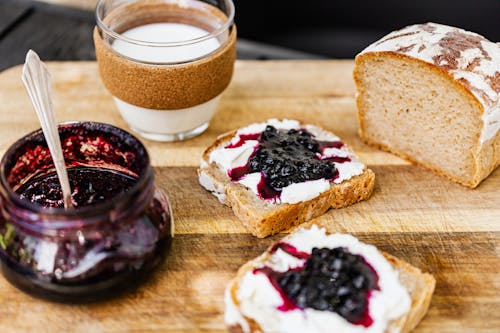
Low-fat dairy products have been consistently linked to lower uric acid levels and a reduced risk of gout, as highlighted by the American College of Rheumatology [12]. The protective effects of dairy foods against gout are supported by a substantial body of research, suggesting that certain components within milk, yogurt, and cheese may actively contribute to reducing uric acid and mitigating inflammatory responses. This makes them a valuable addition to a gout-friendly diet, offering a delicious and nutritious way to potentially lower risk.
Multiple studies reinforce the benefits of dairy consumption. A review of research findings indicated that drinking at least two to four glasses of milk or consuming two cups of yogurt weekly was associated with a lower risk of developing gout [13]. Furthermore, another comprehensive review determined that a high level of dairy consumption was linked to a remarkable 44 percent lower risk of gout [14]. These consistent findings suggest that incorporating low-fat dairy into one's diet can be a proactive step in managing gout symptoms and preventing future attacks.
Canva
4. Coffee
Emerging research indicates that regular coffee consumption may play a beneficial role in preventing gout. The same research reviews that established a link between milk and yogurt consumption and a lower gout risk also identified coffee as a potential protective factor. Researchers found that drinking at least four cups of coffee daily was associated with both reduced uric acid levels in the blood and a decreased risk of developing gout [15]. This suggests that coffee contains compounds that may favorably influence uric acid metabolism.
Another review further strengthened this association, reporting that participants with the highest levels of coffee consumption were significantly less likely to develop gout—specifically, they had a 53 percent lower risk [14]. While the exact mechanisms are still being explored, coffee contains a variety of bioactive compounds, such as chlorogenic acid and quinic acid, which possess antioxidant properties and may influence insulin sensitivity and purine metabolism, potentially contributing to its uric acid-lowering effect. Therefore, for many individuals, enjoying coffee in moderation may be a positive dietary habit for gout management.
The Takeaway
While dietary adjustments alone may not be sufficient to completely prevent gout attacks, they represent a crucial and integral component of a comprehensive management strategy. For individuals experiencing repeated episodes of gout, prioritizing a diet low in common triggers is essential. This involves consciously reducing or eliminating the intake of foods such as beer, organ meats, and certain types of high-purine seafood, which are known to elevate uric acid levels and precipitate painful flare-ups.
Conversely, increasing your intake of foods that have demonstrated a protective effect against gout can significantly contribute to better symptom control. Emphasize a diet rich in fruits, vegetables, whole grains, low-fat dairy products, legumes, and nuts. These foods not only provide essential nutrients but also support a healthy weight and possess anti-inflammatory properties, all of which are beneficial for managing gout. Ultimately, the most effective approach involves working collaboratively with your healthcare provider to develop a personalized gout management plan that thoughtfully integrates dietary strategies with appropriate medical interventions to ensure optimal symptom control and enhance your overall quality of life.
EDITORIAL SOURCES
Everyday Health follows strict sourcing guidelines to ensure the accuracy of its content, outlined in our editorial policy. We use only trustworthy sources, including peer-reviewed studies, board-certified medical experts, patients with lived experience, and information from top institutions.
Sources
Resources
- Gout. Arthritis Foundation [1].
- Gout. Mayo Clinic [2]. November 16, 2022.
- Gout Diet: What's Allowed, What's Not. Mayo Clinic [3]. June 25, 2022.
- Fukui S et al. Differences in the Association Between Alcoholic Beverage Type and Serum Urate Levels Using Standardized Ethanol Content. JAMA Network Open [4]. March 17, 2023.
- Xia Y et al. A Dietary Pattern Rich in Animal Organ, Seafood and Processed Meat Products Is Associated With Newly Diagnosed Hyperuricaemia in Chinese Adults: A Propensity Score-Matched Case–Control Study. British Journal of Nutrition [5]. May 15, 2018.
- George C et al. Hyperuricemia. StatPearls [6]. October 14, 2023.
- Zeng G et al. N-3 PUFA Poor Seafood Consumption Is Associated With Higher Risk of Gout, Whereas N-3 PUFA Rich Seafood Is Not: NHANES 2007–2016. Frontiers in Nutrition [7]. April 4, 2023.
- Huang Y et al. Dietary Sugar Consumption and Health: Umbrella Review. BMJ [8]. April 5, 2023.
- Chen PE et al. Effectiveness of Cherries in Reducing Uric Acid and Gout: A Systematic Review. Evidence-Based Complementary and Alternative Medicine [9]. December 4, 2019.
- 7 Foods That Trigger Gout. University of Maryland Medical System [10].
- Cypiene A et al. Association Between Water Consumption and Hyperuricemia and Its Relation With Early Arterial Aging in Middle-Aged Lithuanian Metabolic Patients. Nutrients [11]. February 2023.
- Lee K. Gout. American College of Rheumatology [12]. February 2023.
- Towiwat P et al. Association of Vitamin C, Alcohol, Coffee, Tea, Milk and Yogurt With Uric Acid and Gout. International Journal of Rheumatic Diseases [13]. June 17, 2015.
- Li R et al. Dietary Factors and Risk of Gout and Hyperuricemia: A Meta-Analysis and Systematic Review. Asia Pacific Journal of Clinical Nutrition [14]. 2018.
- Towiwat P et al. The Association of Vitamin C, Alcohol, Coffee, Tea, Milk and Yogurt With Uric Acid and Gout. International Journal of Rheumatic Diseases [15]. June 17, 2015.
Original article: https://www.everydayhealth.com/arthritis/gout/your-anti-gout-food-plan/