What actually cause raising acide uric
Raising urine pH can increase uric acid solubility and support stone prevention in selected cases, while overall dietary patterns like DASH benefit cardiometabolic health and modestly reduce serum urate; blood pH remains tightly regulated, so changes are primarily in urine chemistry.[4][7][11]
Why urine pH matters
Urine pH fluctuates across the day and influences the solubility of compounds like uric acid; higher urine pH generally increases uric acid solubility and can aid renal excretion in appropriate contexts.[9][11]
How to raise urine pH naturally
- Emphasize fruits and vegetables, including citrus (e.g., lemon, orange), which contribute alkali loads and can raise urinary citrate and pH after metabolism.[2][7]
- Increase hydration to boost urine volume, a key factor in reducing stone risk and moderating urinary concentration.[4][9]
- Moderate animal protein and highly processed foods; align with DASH-style eating for broader cardiometabolic benefits and modest serum urate reductions.[12][13][14]
- Consider timing: urine pH is often lowest in the morning; distributing plant-forward meals and fluids across the day can smooth pH swings.[9]
Tracking your 24‑hour pattern
Because spot checks vary, periodic day-long tracking with urine pH strips can reveal trends; consistent low values alongside stone history are reasons to discuss alkalization strategies with a clinician.[4][9]

Kidney stones context
For uric acid stones, clinically guided alkalization (often with potassium citrate) targeting urine pH generally ≥6.0 can prevent stone formation and sometimes dissolve stones; dietary alkali and fluids complement medical therapy.[4]
Practical food swaps
- Favor: vegetables, fruits (including citrus), legumes, nuts, whole grains, and low‑fat dairy consistent with DASH.[8][14]
- Limit: large portions of red meat, excess alcohol, and sugary beverages that can drive acid load or raise urate.[14][8]
A balanced perspective on “alkaline water”
Diet and beverages can raise urine pH, but do not meaningfully change blood pH; any benefits relate to urine chemistry and hydration rather than systemic alkalinity, so emphasize overall dietary pattern and fluid intake first.[7][9]
How GoutSnap mobile can help
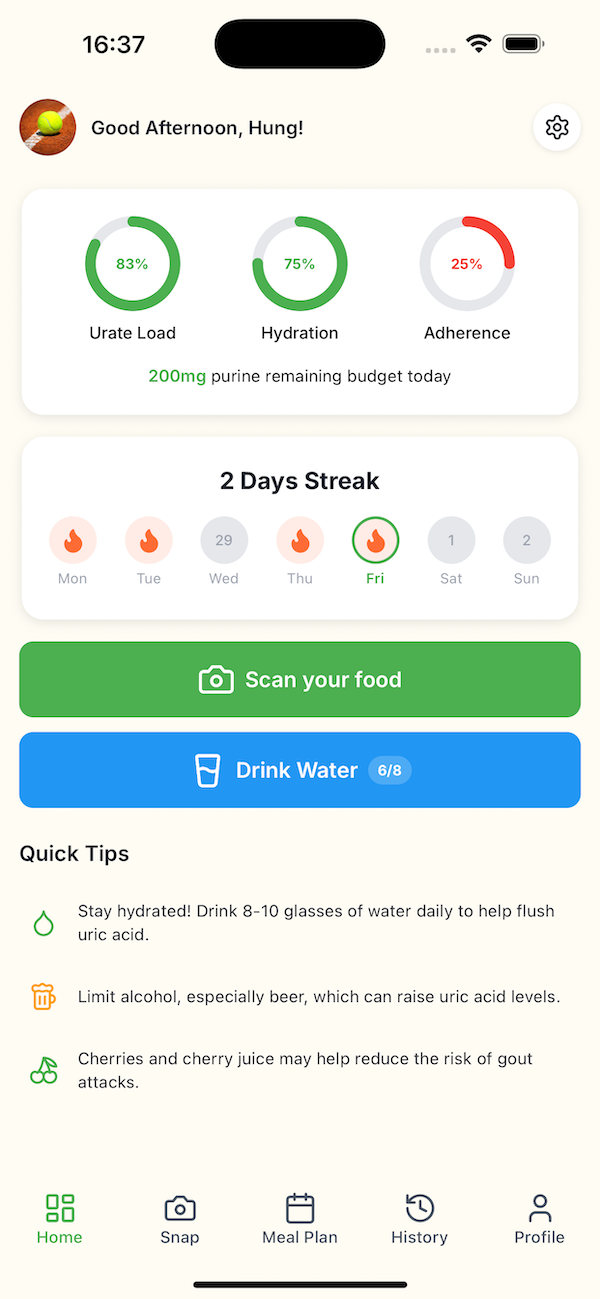
GoutSnap can structure a plant-forward, DASH-style meal plan, set hydration targets, and provide optional logging for urine pH trends—useful for users who are tracking values with clinician guidance. It also allows gentle reminders that urate-lowering medication is first‑line for recurrent gout, with diet and hydration as supportive measures.